Travelling with your family to Kruger means more than just spotting lions and elephants—it’s about creating shared memories, engaging the younger generation, and catering to different age groups with ease and fun. Whether you’re bringing little ones, teenagers, or grandparents along, this guide will walk you through the best family-friendly safari activities, accommodation tips, and how to tailor your stay so everyone enjoys the bush adventure.
Why Kruger is ideal for families
Kruger is one of the most accessible major African safari destinations for families thanks to its infrastructure, variety of accommodation, and range of activities suited for all ages. Here are some of the reasons it works:
- Good road access, rest camps and facilities make it easier for mixed-age travellers.
- Many lodges and camps offer children’s programmes (crafts, nature walks, junior ranger activities) and teen-friendly game drives.
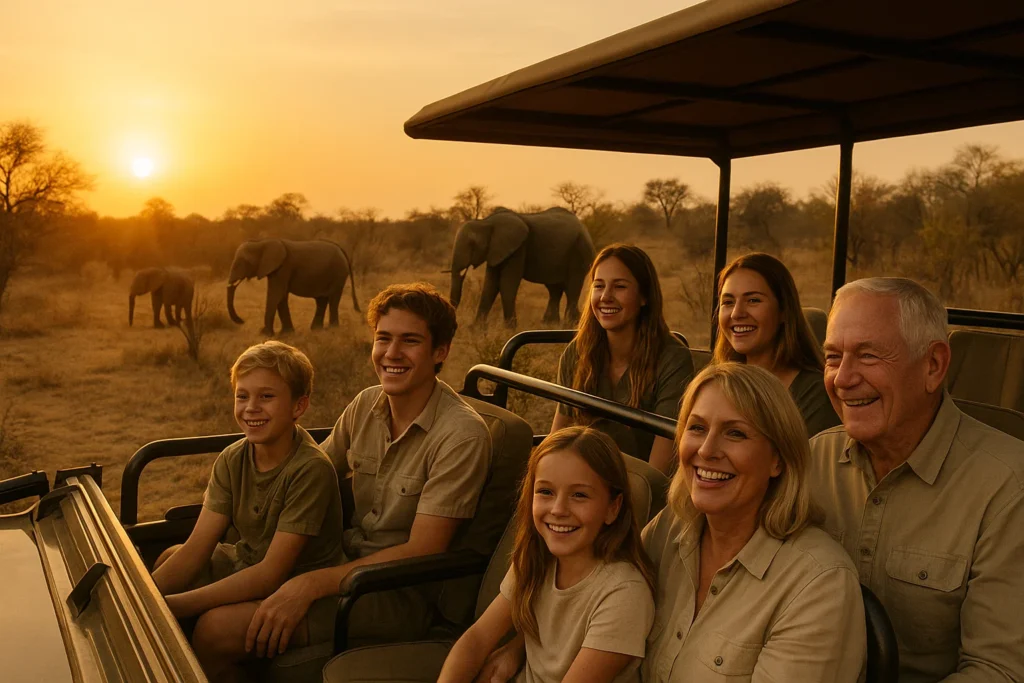
- Multi-gen groups benefit from flexible pacing—morning and afternoon drives with free time during midday mean both active teens and slower-moving grandparents can be accommodated.
Activities tailored for kids, teens & grandparents
Younger children (approx. ages 4–12)
- Junior ranger programmes: Many lodges include “kids on safari” packs or guided walks focusing on tracks, insects, birds and bush skills rather than just big game.
- Game drives with shorter durations: Opt for half-day game drives or family drives where guides are used to children’s pace and attention spans.
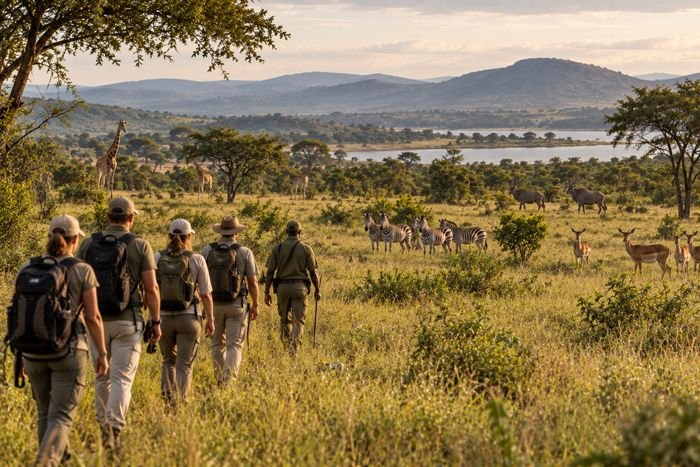
- Nature walks and hideouts: Non-driving activities such as bush walks (in safe zones), bird hides, or supervised pool time at rest camps provide diversity and rest from the vehicle.
- Interactive learning: Some camps incorporate fun learning about wildlife, conservation and natural history—perfect for curious children and multi-gen groups wanting meaningful engagement.
Teenagers
- Longer game drives and specialised interests: Teens often appreciate longer drives, photography opportunities, tracking walks (where permitted) and engaging guides willing to answer deeper questions.
- Adventure activities outside the vehicle: If you stay just outside or in the Greater Kruger area, consider short guided bush walks or cultural visits which appeal to teens.
- Downtime options: Lodges or camps with swimming pools, evening movies, and WiFi (even if limited) help teens decompress and stay happy in between drives.
- Shared responsibility: Involve teens in planning daily activities, spotting wildlife, or guiding younger siblings—this builds engagement and helps them feel valued on the trip.
Parents & grandparents
- Flexible pacing: Choose accommodation and drives that allow for downtime. Early morning drive, mid-morning rest, afternoon drive works well for everyone.
- Comfortable camps/lodges: Look for family-friendly lodges (some with family suites) that ideally have restaurants, safe child-friendly zones and relaxed communal spaces.
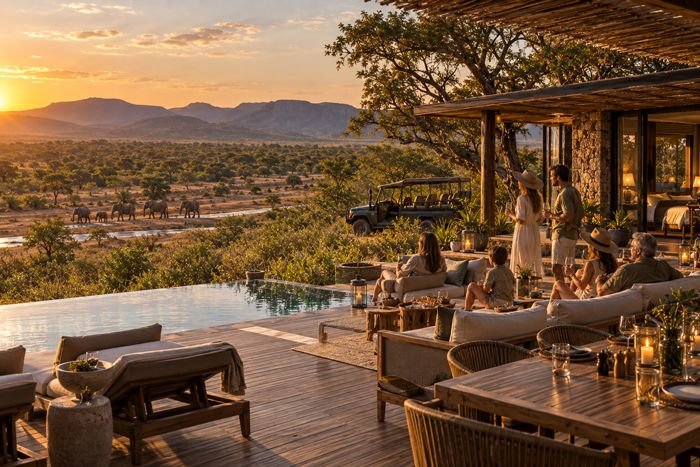
- Shared experiences: Ensure there are experiences that all generations can enjoy together—sunset drives, riverside picnics, bush breakfasts, simple moments of spotting elephants at a waterhole from the deck.
- Choose rest camp accommodation if preferred: If mobility is a concern for older travellers, staying at standard rest camps (instead of remote mobile camps) might be more comfortable.
Recommended family-friendly lodges and camps
- Choose family suites or inter-connecting rooms, so kids and grandparents have proximity but some privacy.
- Look for camps with in-camp kids’ programmes (e.g., activity packs, supervised crafts) and teen-friendly amenities.
- Consider rest camps inside Kruger (e.g., Skukuza Rest Camp, Lower Sabie Rest Camp) which offer reliable, comfortable infrastructure and good wildlife-viewing.
- For a more relaxed pace, choose longer stays in fewer locations – less transit = more enjoyment for all ages.
Sample family-friendly itinerary (5 nights / 4 days)
Day 1: Arrive, settle into the lodge, enjoy a short afternoon drive. Early evening lookout from lodge deck.
Day 2: Early morning game drive (2.5 hrs) → late breakfast → rest/free time → afternoon drive (2 hrs). Evening junior programme for the kids while adults relax.
Day 3: Optional self-drive or guided drive to a quieter part of the park; picnic lunch. Teens get extended drive time; younger children enjoy nature walk.
Day 4: Relaxed morning (pool or lodge activity). Afternoon game drive. Evening outdoor dinner under stars.
Day 5: Optional short walk or final game drive; check-out midday.
This schedule ensures game-viewing windows while avoiding midday fatigue or impatience for younger ones.
Practical tips for family groups
- Choose the right season: Dry season (May–Sept) offers best wildlife visibility and fewer mosquitoes—ideal for families.
- Check age restrictions: Some lodges have minimum ages for game drives. Always confirm before booking.
- Pack smart: Bring sun-hats, long-sleeve layers, binoculars for kids/teens, snacks, and games for the lodge.
- Communication & engagement: Brief younger children before drives and encourage teens to use journals or cameras.
- Safety first: Stay inside vehicles on game drives and follow guide instructions. Pick lodges with strong safety protocols.
- Balance budget & comfort: Mix comfortable lodging with a few splurge nights for special memories.
- Flexibility is key: Wildlife doesn’t follow schedules—allow for spontaneous stops and build in downtime to relax.
Conclusion
Taking your family on safari through Kruger is not just a wildlife adventure—it’s a chance to bond, learn and experience Africa together across generations. With the right approach—choosing activities suited to kids, teens and elders; selecting comfortable family lodging; pacing drives thoughtfully—you can craft a trip that’s thrilling, relaxing and memorable for everyone. Dive into our blog for more in-depth routes, best camps and wildlife-spotting tips, and make your family safari one for the ages.
FAQs
Yes, Kruger has excellent infrastructure, supervised activities and strict safety protocols. Always follow guides’ instructions.
Many lodges accept children from age 6–8 for game drives. Younger kids may join shorter family drives.
Pack a camera, journal, binoculars, and encourage them to help spot animals or document the trip.
Four to six nights allow enough time to settle in, enjoy game drives and experience the bush without rushing.
Yes. Choose rest camps or lodges with easy access, limited walking, and flexible drive schedules.
Guided drives are less stressful for families. Self-drive is an option for those with older kids or more experience.
May to September (dry season) offers great visibility, mild temperatures and fewer insects.