A mokoro safari in Botswana’s Okavango Delta offers one of the most peaceful and immersive safari experiences in Africa. Gliding silently through shallow waterways in a traditional canoe, this unique form of travel connects you with the wilderness in a way no game drive can. Here’s everything you need to know about this iconic slow safari adventure.
What is a mokoro?
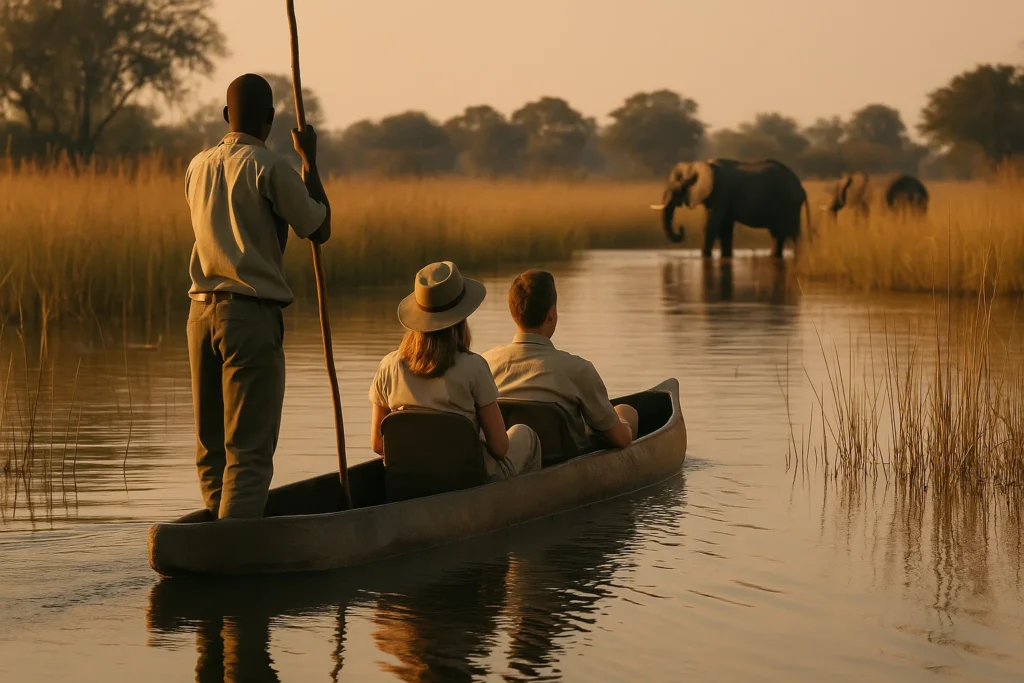
A mokoro is a traditional dugout canoe historically carved from large tree trunks, now often made from eco-friendly fibreglass to preserve native trees. Propelled by a standing guide using a long pole (known as a ngashi), mokoros drift effortlessly through the Okavango’s flooded channels, giving travellers a quiet and close-up view of the Delta’s unique ecosystem.
Why choose a mokoro safari?
1. Silent and sustainable travel
Unlike motorised boats or vehicles, mokoros make no noise, offering an incredibly tranquil way to explore. Their eco-friendly design and operation also make them one of the most sustainable safari options.
2. Up-close wildlife viewing
From your low position in the water, you can spot elephants, hippos (at a safe distance), crocodiles, red lechwe, reed frogs, and an array of birdlife like kingfishers and herons. The lack of engine noise allows for more natural animal behaviour.
3. Immersive, slow safari experience
Mokoro excursions are about slowing down and soaking in the surroundings—ideal for travellers looking to disconnect and appreciate the subtleties of the Delta’s ecosystem.
When to go
The best time for mokoro safaris is during the dry season (May to September), when the floodwaters from Angola fill the Delta’s channels, creating ideal conditions for canoe travel. Some camps offer mokoro excursions year-round depending on local water levels.
Where to do a mokoro safari
Mokoro safaris are widely available throughout the Okavango Delta, particularly in:
- Moremi Game Reserve
- Private concessions within the Delta
- Community-run mokoro stations near Maun or Seronga (budget-friendly day trips)
Choose a lodge or mobile safari operator that includes mokoro excursions as part of their package or offers it as an optional activity.
Duration and formats
- Short excursions: 1- to 2-hour trips, ideal for a morning or afternoon activity.
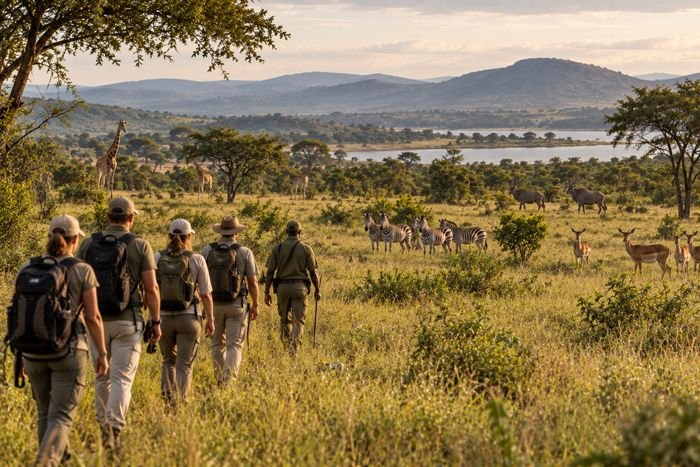
- Half-day experiences: Often combined with walking safaris and a picnic.
- Multi-day mokoro expeditions: Overnight mobile camping trips led by polers, offering deeper immersion in remote Delta areas.
What to pack and expect
- Lightweight, neutral clothing (long sleeves for sun and bugs)
- Hat, sunglasses, and sunscreen
- Insect repellent
- Binoculars and camera with waterproof protection
- Water bottle and dry bag for valuables
You’ll sit low in the canoe, with your poler guiding silently through reed channels. Wildlife sightings vary by season and location but expect an intimate, nature-rich journey.
Safety and ethics
- Mokoro guides are highly trained and understand animal behaviour and safe navigation.
- Always remain seated and quiet to avoid startling wildlife.
- Respect local communities by choosing operators who employ and empower local polers.
Tips for choosing a mokoro safari
- Ask if mokoro trips are included in your safari package or available at extra cost.
- Choose camps with permanent water access to ensure availability, especially outside peak flood months.
- Consider combining a mokoro excursion with walking safaris for a fuller experience.
Conclusion
A mokoro safari in the Okavango Delta is the epitome of a slow safari: quiet, sustainable, and deeply connected to nature. Whether it’s your first safari or your tenth, gliding through the Delta’s serene waters surrounded by wildlife and reeds will leave a lasting impression. Explore more of our blog to discover the best lodges, seasons, and tips for planning your Okavango mokoro experience.
FAQs
Yes. Polers are experienced guides trained in navigating wildlife-rich waters and ensuring guest safety.
Primarily in the dry season (May to Sept), but some areas with permanent water offer them throughout the year.
Yes. Community-based mokoro trips from Maun or Seronga offer affordable options.
Expect birdlife, elephants, red lechwe, frogs, and occasional sightings of hippos or crocodiles at a safe distance.
Yes, especially for older children who can sit still and quietly enjoy the slow pace.