Tucked away in Zambia’s eastern frontier, South Luangwa National Park is often hailed by safari veterans as Africa’s hidden gem. With its unparalleled walking safaris, diverse ecosystems, and rich wildlife sightings, this park offers an experience that is intimate, wild, and refreshingly crowd-free. If you’re looking for authenticity and adventure, South Luangwa might just be the safari of your dreams.
Why South Luangwa stands out
1. Birthplace of the walking safari
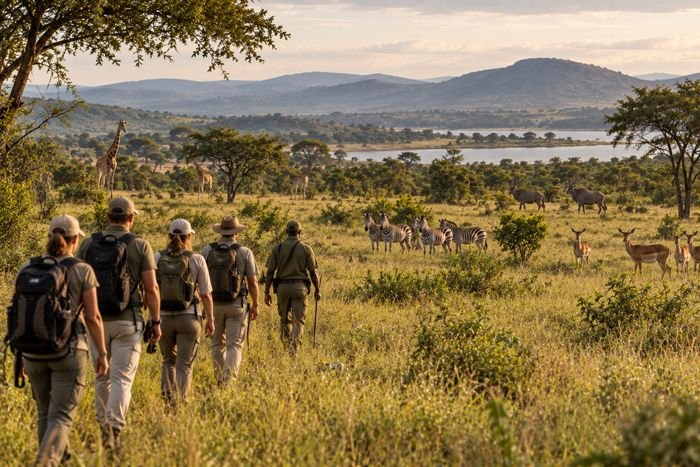
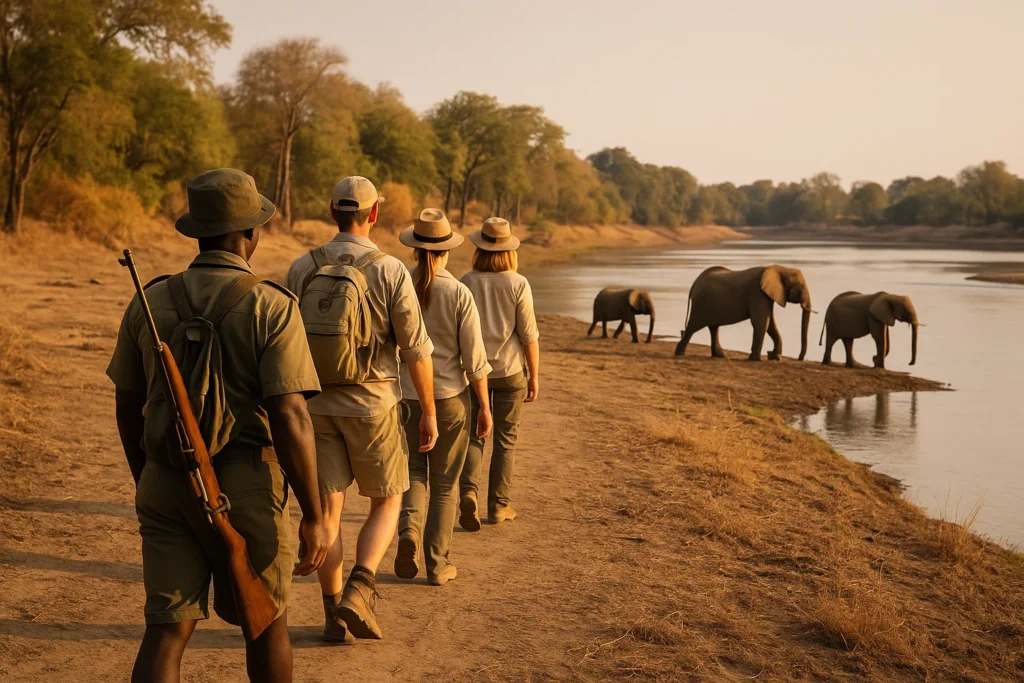
South Luangwa pioneered the concept of the walking safari, allowing you to experience the bush up close. Accompanied by expert guides and armed scouts, you’ll learn to track animals, identify plants, and read the rhythm of the wild in a way no game drive can match.
2. Abundant wildlife
The park is home to over 60 species of mammals and 400 species of birds. Expect regular sightings of:
- Leopards (especially during night drives)
- Elephants and Cape buffalo
- Hippos and crocodiles along the Luangwa River
- Endemic species like Thornicroft’s giraffe and Crawshay’s zebra
- African wild dogs, one of the continent’s most endangered carnivores
3. Photogenic landscapes
The meandering Luangwa River, oxbow lagoons, and mopane woodlands provide an ever-changing backdrop for wildlife photography. Sunsets over the river are particularly breathtaking.
4. Fewer tourists, more authenticity
Unlike busier parks in East and Southern Africa, South Luangwa offers a low-impact, high-reward safari experience. You won’t find crowded sightings or convoys of game vehicles here.
When to visit
- Dry season (July to October): Peak game-viewing period. Animals gather near water sources, and vegetation is sparse.
- Green season (November to March): Lush, vibrant landscapes and excellent birdwatching. Some camps remain open for emerald season safaris.
- Shoulder seasons (April to June): Quieter, with moderate weather and good game visibility.
Top safari experiences in South Luangwa
Walking safaris
These are the park’s signature activity. Walks usually last 2–3 hours and focus on bush interpretation, tracking, and safety.
Night drives
South Luangwa is one of the few parks in Africa that allows night game drives. It’s a prime opportunity to spot leopards, civets, genets, and other nocturnal species.
Game drives
Traditional drives in open 4x4s are available throughout the day, often combining morning, afternoon, and night segments.
Cultural visits
Many lodges offer visits to nearby villages or conservation programs, adding a meaningful cultural dimension to your trip.
Where to stay
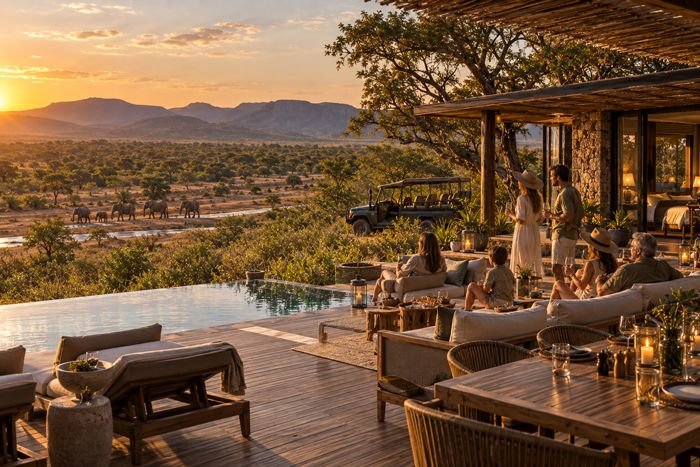
Accommodation ranges from rustic bush camps to luxurious lodges. Most are located along the Luangwa River for excellent wildlife viewing from camp.
Notable lodges and camps:
- Chinzombo Camp (luxury)
- Tafika Camp (photography-focused)
- Flatdogs Camp (mid-range)
- Nsefu Camp (historic, remote setting)
Many camps offer seasonal mobile safaris or sleep-out options for immersive experiences.
How to get there
- Fly into Mfuwe Airport via Lusaka (or occasionally from Livingstone or Lilongwe).
- Most lodges include airport transfers (45 min to 2 hours).
- Charter flights are available for access to remote northern camps.
Travel tips
- Bring neutral-colored clothing, a good pair of walking shoes, and a wide-brimmed hat.
- DSLRs or mirrorless cameras with zoom lenses (200mm+) are ideal for wildlife.
- Malaria prophylaxis is recommended.
- Wi-Fi is limited; prepare to disconnect and immerse.
Conclusion
South Luangwa National Park combines raw wilderness, top-tier guiding, and a distinct lack of crowds. Whether you’re tracking lion prints on foot or sipping sundowners beside a hippo pool, every moment feels deeply connected to nature. For those seeking a safari that is both thrilling and soulful, South Luangwa is a destination that delivers beyond expectations.
FAQs
Yes, especially for travelers who value authenticity over luxury tourism infrastructure.
Policies vary by lodge, but typically children must be 12+ to join walking safaris.
5 to 7 days allows time for walking, game drives, and multiple camp experiences.
Yes, it’s common to combine it with Lower Zambezi or Kafue National Park.
Most lodges close during the rains (Jan–Mar), but a few remain open for green season safaris.