South Luangwa National Park, tucked into Zambia’s eastern frontier, is one of Africa’s most intact wildernesses, supporting an extraordinary array of wildlife and ecosystems. Yet this thriving wild landscape doesn’t survive on protected status alone—local communities living alongside the park are essential partners in safeguarding its future. In South Luangwa, conservation isn’t just about rangers and scientists; it’s equally about people who share the land, water, and natural heritage with elephants, lions, and other iconic species every day.
In this article, we explore the multifaceted role local communities play in protecting wildlife in the South Luangwa ecosystem, from stewardship and conflict mitigation to sustainable livelihoods, education, and place-based ownership of conservation outcomes.
Why community involvement matters for wildlife protection
Conservation in South Luangwa increasingly recognizes that wildlife cannot be protected in isolation from the people who live around it. The lines between people and protected areas are porous—wildlife routinely moves beyond park boundaries, and families farm, graze livestock, and gather natural resources in areas adjacent to the park. When local people are left out of conservation planning or feel excluded from benefits, resentment can grow, leading to habitat loss or retaliation against wildlife. Conversely, when communities are empowered, informed, and benefit directly from wildlife conservation, they become powerful guardians of the ecosystem.
Community resource boards and co-management
One cornerstone of community involvement in South Luangwa is the engagement of traditional leadership and community resource boards (CRBs). These bodies bring local voices into decision-making about natural resource use and wildlife coexistence strategies, helping bridge gaps between conservation objectives and everyday realities for rural households. Through partnerships with NGOs and national authorities, CRBs work to align wildlife protection with community priorities such as crop protection and shared economic benefits.
By including communities in planning, conservation becomes less external and more locally owned, which strengthens both the social and ecological fabric of the South Luangwa landscape.
Mitigating human-wildlife conflict
Living alongside large wild animals comes with challenges. Elephants, hippos, and predators sometimes destroy crops, threaten livestock, or disrupt daily life for farmers in the valley. These incidents can erode tolerance for wildlife, prompting retaliatory actions that harm both people and animals. Mitigating these conflicts is therefore a critical role for communities in conservation.
Conservation partners work with local people to design and implement mitigation measures—such as chilli-based deterrents, elephant-proof fencing, watch towers, improved livestock husbandry, and community patrols—that reduce the frequency and severity of negative interactions. Education campaigns, door-to-door sensitization, and tailored livestock care training help farmers understand animal behavior and reduce risky practices that may attract predators.
Community scouts and anti-poaching
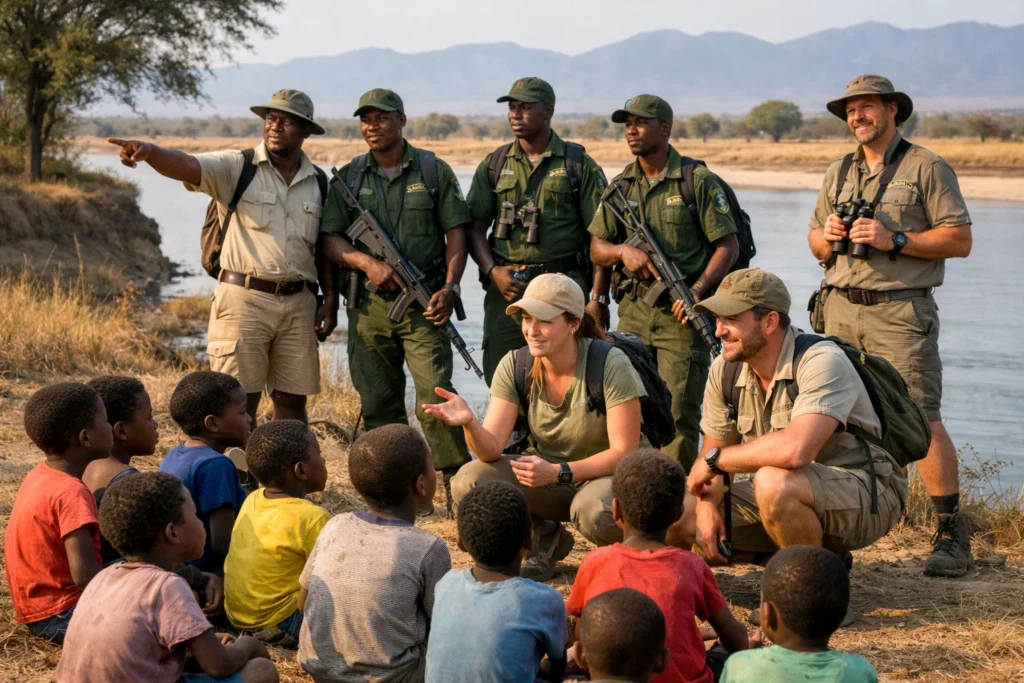
One of the most effective and visible ways local communities contribute directly to wildlife protection is through employment and training as community scouts. Conservation South Luangwa (CSL), a Zambian NGO dedicated to safeguarding the South Luangwa ecosystem, employs scores of community members as scouts who support the Department of National Parks and Wildlife (DNPW) with anti-poaching patrols, habitat monitoring, and law enforcement. These scouts are often from the neighbouring chiefdoms and bring invaluable local knowledge to the field, acting as the eyes and ears on the ground.
Community scouts help detect illegal activities such as snaring, illegal hunting, and bush fires. In addition to foot patrols, organizations also deploy specialised anti-poaching units, including canine detection teams, which further enhance community-led deterrence of wildlife crime.
Shared benefits through sustainable tourism
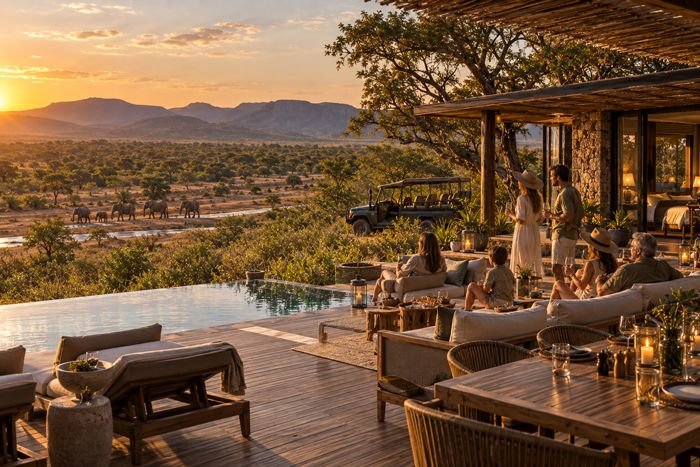
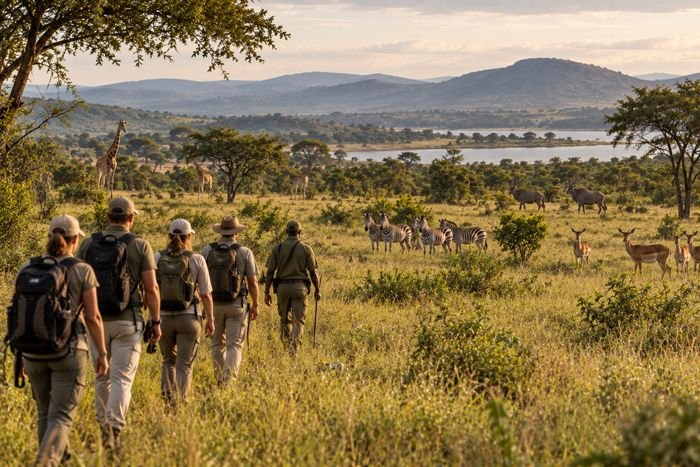
Tourism is South Luangwa’s primary economic engine, and local involvement in tourism creates a direct economic link between wildlife protection and community wellbeing. Many lodges and safari operators hire guides, trackers, drivers, hospitality staff, and artisans from nearby villages, offering stable employment opportunities that compete with unsustainable land uses or illegal wildlife exploitation.
Moreover, community members often benefit from tourism-generated funds that support local services, infrastructure projects, and small business development. Through conservation levies and community-based tourism incentives, wildlife protection becomes economically advantageous, encouraging local residents to view wildlife as an asset rather than a threat.
Education, awareness and youth engagement
Conservation education and awareness initiatives are crucial for shaping long-term stewardship. In South Luangwa, community education programmes engage schools, families, and traditional leaders to foster understanding of local ecosystems, wildlife value, and sustainable practices. Projects run by NGOs and local partners bring wildlife knowledge into classrooms, support environmental literacy, and help young people see conservation as a viable career path.
These programs often include hands-on experiences such as nature clubs, guided field visits, and community events that celebrate wildlife and cultural heritage, reinforcing the idea that people and wildlife share a common future.
Alternative livelihoods and economic empowerment
Another dimension of community conservation is supporting alternative livelihoods that reduce dependency on activities harmful to wildlife or habitat. Initiatives may include sustainable agriculture training, craft production, beekeeping, eco-enterprise development, and small business support. These ventures diversify income streams for families living near the park, reducing pressure on natural resources and helping communities build resilience in a rapidly changing rural economy.
By generating economic benefits that are aligned with conservation goals, communities are motivated to protect wildlife and the landscapes they depend on.
Measuring impact and adaptive approaches
The success of community-based conservation hinges on adaptive, inclusive approaches that respect local knowledge, cultural practices, and socioeconomic realities. Research and monitoring efforts increasingly evaluate how social dynamics, governance structures, and livelihood strategies influence conservation outcomes, recognizing that sustainability involves more than just ecological indicators—it also requires equitable participation and shared benefits.
Such insights guide policy, programme adjustments, and collaborations that strengthen community-led wildlife protection in South Luangwa and beyond.
Conclusion
The future of South Luangwa’s wildlife depends as much on the people who live alongside the park as it does on protected status and anti-poaching laws. Through community resource boards, conflict mitigation, employment as scouts, engagement in sustainable tourism, conservation education, and alternative livelihoods, local communities are indispensable partners in preserving this remarkable ecosystem. Their contributions help protect iconic species, reduce human-wildlife conflicts, and build a shared sense of stewardship that benefits both wildlife and people.
For travellers and conservation advocates alike, understanding and supporting community roles in wildlife protection reveals a deeper, more meaningful side of safari—one that celebrates resilience, cooperation, and the enduring bond between people and nature. Explore more stories and insights on conservation and responsible travel across Zambia and southern Africa on our blog.
Frequently Asked Questions
Community scouts assist anti-poaching patrols, monitor illegal activity, and contribute local ecological knowledge to conservation efforts.
Mitigating conflict protects both livelihoods and wildlife, preventing retaliation against animals like elephants or predators.
Yes, tourism jobs and levies provide economic benefits that incentivize communities to protect wildlife.
They build environmental understanding among youth and adults, shaping future conservation ambassadors.
Yes, projects like beekeeping, crafts, and sustainable agriculture provide income that reduces pressure on natural resources.
It ensures decisions respect cultural context and increases community ownership of conservation outcomes.