Walking safaris are among the most immersive ways to explore the African wilderness. In Kruger National Park and the Greater Kruger area, guided walks take you off the beaten track and into the bush, offering a chance to experience wildlife from a new perspective. Here’s what to expect and where these experiences are allowed.
What Is a Walking Safari?
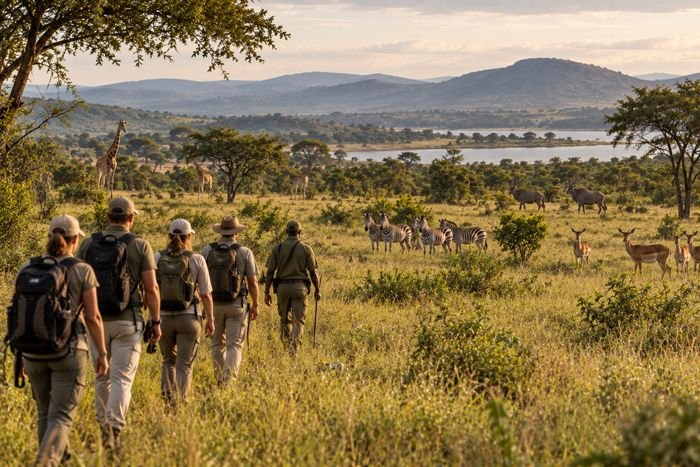
A walking safari is a guided experience led by trained rangers, where guests explore the bush on foot. Unlike traditional game drives, the focus is not only on big game but also on tracks, birdlife, insects, plants, and the rhythm of the wild.
Walks are always guided and typically last between 2–4 hours. In Kruger, they are available in both the public sections of the park and private reserves.
Where Walking Safaris Are Allowed
Public Kruger National Park
- Guided Bush Walks: Offered at most rest camps (e.g., Skukuza, Letaba, Lower Sabie).
- Wilderness Trails: Multi-day guided hikes through remote areas with basic overnight huts.
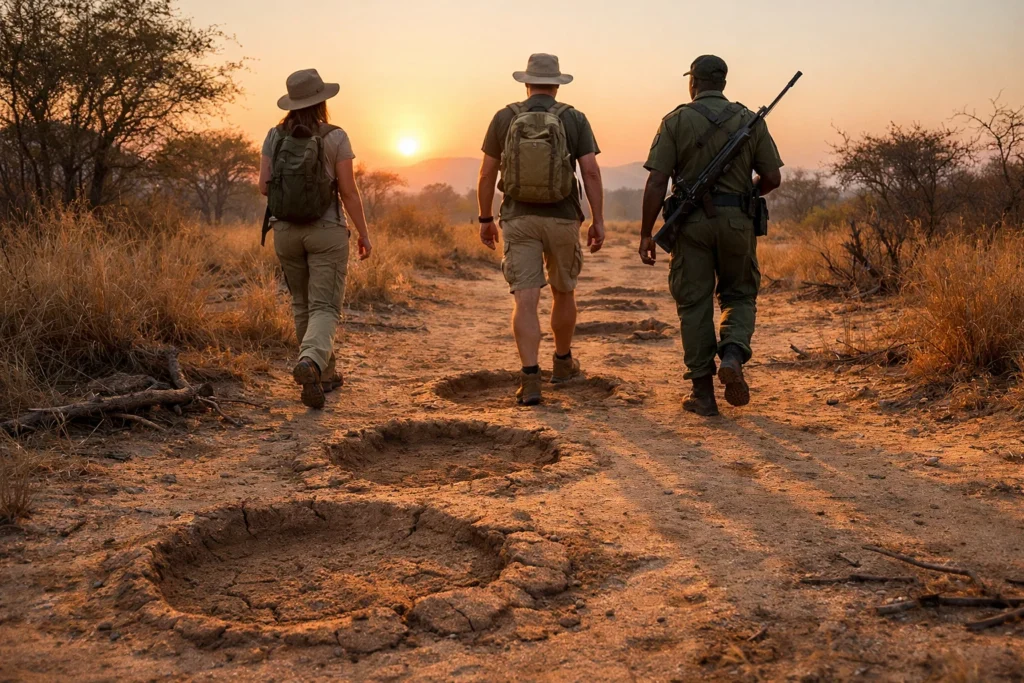
All walks are conducted by armed rangers and must be pre-booked. Independent walking is strictly prohibited.
Greater Kruger Private Reserves
Private reserves like Sabi Sands, Timbavati, and Klaserie offer more flexible walking safari options:
- Morning and afternoon bush walks from lodges
- Longer specialist tracking walks
- Tailored photography or family-friendly walks
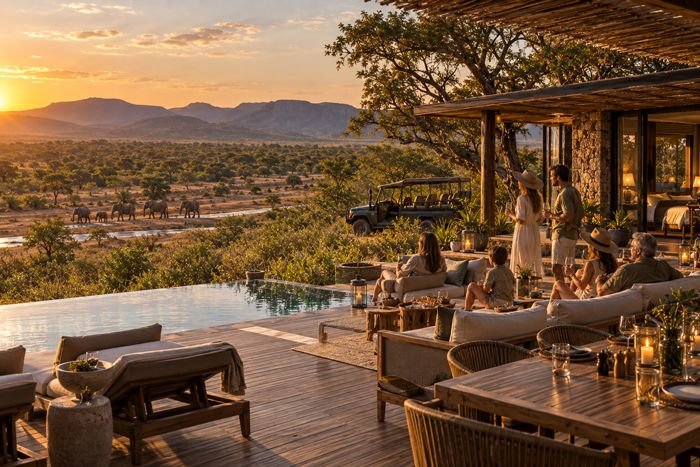
These are typically included in your stay at private lodges and may offer closer encounters with big game under expert supervision.
What to Expect on a Walking Safari
- Early Starts: Most walks begin just after sunrise when animal activity is high.
- Focus on Interpretation: Guides share insights on spoor, plants, birds, and ecosystems.
- Safety First: Walks follow strict safety protocols; guests walk in single file and stay close to the guide.
- Animal Encounters: You may see elephants, giraffes, or even big cats, but from a respectful distance.
What to Pack
- Neutral-colored clothing
- Comfortable hiking shoes or boots
- Hat, sunglasses, and sunscreen
- Insect repellent
- Water bottle (often provided)
Public vs Private Reserve Walks: What’s the Difference?
| Feature | Kruger National Park (Public) | Greater Kruger Private Reserves |
|---|---|---|
| Guide Requirement | Yes (SANParks rangers) | Yes (private guides/rangers) |
| Trail Types | Short walks, wilderness trails | Bush walks, tracking safaris |
| Accommodation | Camps or huts | Luxury lodges |
| Group Size | Small, fixed groups | Small, flexible groups |
| Wildlife Encounters | Cautious proximity | More flexible approach |
Safety Considerations
- Always follow the guide’s instructions.
- Stay in single file and avoid sudden movements.
- Keep noise to a minimum.
- Maintain safe distances from animals.
Walking safaris carry some risk, but trained guides are experts at reading animal behavior and managing safety.
Who Should Consider a Walking Safari?
- Nature lovers who want deeper insight into the ecosystem
- Photographers seeking unique perspectives
- Repeat safari-goers looking for a new experience
- Active travelers who enjoy light hiking
Note: Minimum age restrictions often apply (typically 12–16+).
Conclusion
Walking safaris in Kruger offer an extraordinary chance to slow down and connect with the bush in a more intimate way. Whether in the public park on a wilderness trail or through private lodge experiences, walking with skilled rangers reveals the details, textures, and drama of Africa that game drives often miss.
For those seeking a grounded, sensory-rich adventure, a Kruger walking safari is a must.
FAQs
Yes, when conducted by professional guides. Safety briefings and protocols are always followed.
Basic fitness is sufficient for standard bush walks. Wilderness trails may require more endurance.
Age restrictions apply. Most walks require participants to be at least 12 or 16 years old.
Elephants, buffalo, giraffes, antelope, and occasionally predators, depending on the route and conditions.
No. All walks must be led by certified guides due to wildlife risks.