Planning a safari during the December holidays? Beyond dramatic landscapes and iconic big cats, December is one of the best times in Africa to witness the miracle of new life in the wild. As the rains return and the land greens, many animals give birth — making it the perfect time to see baby animals on safari.
From frolicking wildebeest calves to curious lion cubs and tiny impalas barely taller than the grass, the African bush is bursting with life. Let’s explore the best destinations where December brings you close to the magic of nature’s nursery.
Why December is ideal for seeing baby animals
December marks the start of the green season in much of sub-Saharan Africa. Rainfall triggers new vegetation, and for many animals, it’s the perfect time to give birth. With plenty of food and water, mothers nurse their young and keep them close.
What makes this month special:
- Herbivore calving season — wildebeest, zebra, impala, kudu, and more
- Predator cub sightings — lions, cheetahs, leopards raising their young
- Bird nesting and fledglings — a paradise for birdwatchers
- Lush green backdrops for stunning wildlife photography
It’s a season of growth, life, and activity — and it aligns beautifully with the spirit of the holidays.
Top destinations to see baby animals in December
1. Serengeti National Park, Tanzania
The southern Serengeti plains begin filling with wildlife ahead of the mass calving season in January–February. By December, many wildebeest and zebra are already giving birth, and lion and cheetah cubs start appearing as predator numbers increase.
- Baby wildebeest and zebra grazing
- Lion cubs learning to play and stalk
- Big skies and open plains for easy viewing
Tip: Focus on areas like Ndutu and Kusini for the best early calving sightings.
2. Masai Mara, Kenya
Although the main wildebeest migration has passed, the Masai Mara remains full of life. Resident animals like giraffe, zebra, and various antelope species are calving, and predators are active as they raise their own young.
- Giraffe and topi calves on the plains
- Lion cubs with golden light backdrops
- Rich birdlife with chicks and nesters
December combines lush scenery and holiday warmth — ideal for first-time safari-goers or families.
3. Kruger National Park & Sabi Sands, South Africa
South Africa’s premier safari destinations, Kruger and Sabi Sands, see a boom of new life during December’s early summer rains.
- Newborn impalas, kudu, and nyala everywhere
- Elephant calves wobbling behind their herds
- Hyena and leopard cubs near den sites
With family-friendly lodges and festive bush vibes, this is a top choice for combining wildlife and holiday cheer.
4. Etosha National Park, Namibia
Etosha is known for dry-season viewing, but December brings springbok lambs, zebra foals, and ostrich chicks. The pans glisten with rainwater, attracting birds and herbivores to new grazing grounds.
- Excellent chances of spotting young antelope
- Stunning desert-to-savanna contrasts
- Fewer crowds than peak dry months
5. Botswana’s Okavango Delta (shoulder season)
December marks the green season in Botswana, with lower prices and fewer visitors. Calving begins among impalas, red lechwe, and warthogs, while predator cubs start showing up in drier parts of the delta.
- Baby mammals in rich, watery landscapes
- Excellent birdlife with seasonal migrants
- Affordable festive safaris with high quality guiding
What kind of baby animals can you expect to see?
- Wildebeest calves – already walking within hours of birth
- Zebra foals – striped miniatures with soft coats
- Impala fawns – often twins, hidden in tall grass
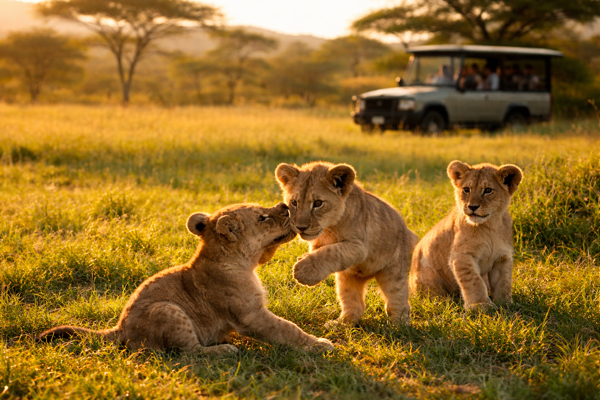
- Lion cubs – playful and curious, supervised by lionesses
- Elephant calves – stumbling, trumpeting, always protected
- Bird chicks – from rollers to herons, everywhere in nests
Tips for maximizing your sightings
- Go early – Dawn drives offer the best chance to see young animals active and feeding.
- Choose open habitats – Calves are easier to spot in open grasslands or plains.
- Bring binoculars and a zoom lens – Young animals often stay near thickets.
- Be patient – Mothers are protective; guides will help you observe respectfully.
- Consider private reserves – More flexible game drive times = more chances.
Conclusion
If you’re dreaming of a December holiday filled with beauty, wonder, and wildlife, consider planning a safari to see baby animals in their natural habitat. From the plains of the Serengeti to South Africa’s Kruger, this is one of the most life-affirming, photogenic, and joyful times to explore Africa.
Celebrate the season with the rhythms of new life. For more safari inspiration, explore our travel guides, lodge reviews, and naturalist tips at WhySafari.com.
Frequently Asked Questions (FAQs)
No — while some rains fall, they’re usually short and refreshing. The landscape becomes green and photogenic.
The Serengeti, Masai Mara, and Sabi Sands are excellent in December for lion cub sightings near dens or hunting with mothers.
Yes — many lodges are family-friendly, and baby animals are especially engaging for young travelers.
Absolutely. December offers good sightings, especially in regions like Kruger, Sabi Sands, and northern Tanzania.
Early morning and late afternoon, when it’s cooler and animals are active.
Yes — lion, leopard, and hyena cubs are commonly seen in many regions during this season.
Guides ensure a safe distance. Respectful viewing protects both wildlife and guests.
Yes — December is excellent for birdwatching, with many species nesting and feeding chicks.