January is one of the most magical months to experience Tanzania’s southern parks. For many travelers, Tanzania conjures images of the Serengeti’s endless plains and the iconic Great Migration—but the southern circuit, with its unique landscapes, wildlife rhythms, and cultural richness, shines brightest at the beginning of the year. In this guide, I’ll walk you through what makes January exceptional for safari lovers who want to dive deeper than the classic northern routes.
The rhythm of the southern parks
When we talk about Tanzania’s southern parks, we’re referring to a network of protected areas including Selous Game Reserve (now Nyerere National Park), Ruaha National Park, Liwale and the Ruvuma River region, and pockets of wilderness around Katavi National Park. Together they form a less‑visited but incredibly rewarding safari circuit.
January sits at a sweet spot in the Tanzanian safari calendar: the long rains have usually ended, the landscape is lush and green, water sources are still plentiful, and wildlife movements are concentrated yet relaxed enough for fantastic sightings without the crowds.
Weather and climate: why January works
Post‑rain freshness, abundant greenery
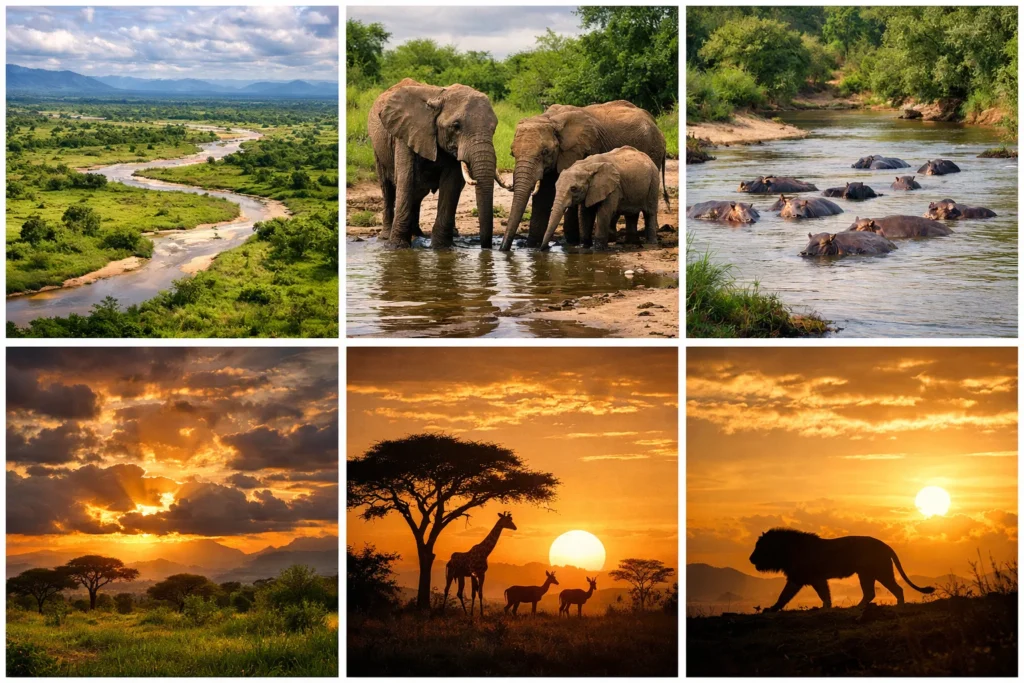
January follows the “short rains” season (typically November–December) in much of Tanzania. The rains soften the earth, replenish rivers and pans, and transform the parks with vibrant greens and splashes of wildflowers. This fresh scenery isn’t muddy or soggy the way it can be in heavy rains—most tracks dry quickly, and lodges are fully operational.
The temperatures in the south tend to hover between warm and hot, but mornings and evenings carry a refreshing coolness. This combination creates comfortable safari conditions and dramatic light for photographers.
Wildlife congregations around water
Because water is still widespread in January, animals spread out more naturally across the landscape rather than clumping around few remaining waterholes (as happens toward the dry season’s end). This means:
- Relaxed predator‑prey dynamics, with animals engaging in all kinds of natural behaviors
- Better chances of spotting rarer antelope species, such as sable and roan, grazing in less‑visited areas
- Improved birding, with migrant and resident species in full voice and plumage
Southern parks spotlight
Nyerere National Park (Selous)
Nyerere is Africa’s largest game reserve and a canvas of contrasts—wide‑open floodplains, thick miombo woodlands, and meandering river systems.
In January you’ll find:
- Boats gliding quietly beside hippos and crocodiles
- Giraffes browsing wide river valleys
- Packs of wild dogs on the hunt in the cooler early mornings
Wildlife sightings here have a peaceful quality, often very close and unhurried.
Ruaha National Park
Ruaha is Tanzania’s best‑kept safari secret, known for its dramatic scenery and big‑cat action.
January highlights include:
- Elephants congregating near the Great Ruaha River
- Lions active in riverine corridors
- Birds like carmine bee‑eaters nesting in sandy banks
Because Ruaha is less visited than northern parks, private game drives feel intimate—almost like exploring with a local guide who knows every track.
Katavi and deep wilderness
Katavi is truly off the beaten path—a region of wild grasslands and seasonal floodplains.
January often brings:
- Hippo “crushes” in isolated pools
- Huge herds of buffalo coating the floodplain
- Elephants bathing and dust rolling under open skies
Here you feel the pulse of untamed Africa, where sightings are intense and crowds nonexistent.
Why January beats other months
Better than December
While December also falls during the short rains, it’s often wetter and travel logistics can be disrupted by heavier showers. January usually sees smoother weather and better accessibility across all camps and lodges.
Better than the dry season
From June to October, wildlife concentrates near fewer water sources, which is great for photography but also brings larger crowds to prime viewing spots. In January, game is still widespread yet accessible, and the experience feels more authentic and private.
Avoiding peak northern season
The northern circuit (Serengeti, Ngorongoro, Tarangire) sees its highest influx of visitors during the northern dry season (June–August). Southern parks in this period are excellent, but January offers a refreshing alternative with fewer tourists and incredible wildlife dispersal.
Cultural rhythms and local life
January isn’t just about wildlife—Tanzania is a country pulsating with culture.
- Local festivals often take place after the holidays, offering glimpses into community celebrations and traditional dances.
- Markets brim with fresh produce and crafts as the rainy season ends.
- Visiting rural villages or engaging with local guides can deepen your safari experience beyond animals and landscapes.
This combination of nature and culture makes January ideal for travelers who want to connect with both the land and its people.
Photography and safari experiences
For photographers, January presents a wealth of opportunities:
- Lush backdrops and dramatic skies make for vibrant images
- Water reflections enhance compositions
- Active predators and herbivores in closer proximity than dry season extremes
Morning and evening game drives are especially rewarding, with rich amber light and cooler temperatures.
Practical tips for traveling in January
Lodges and camps
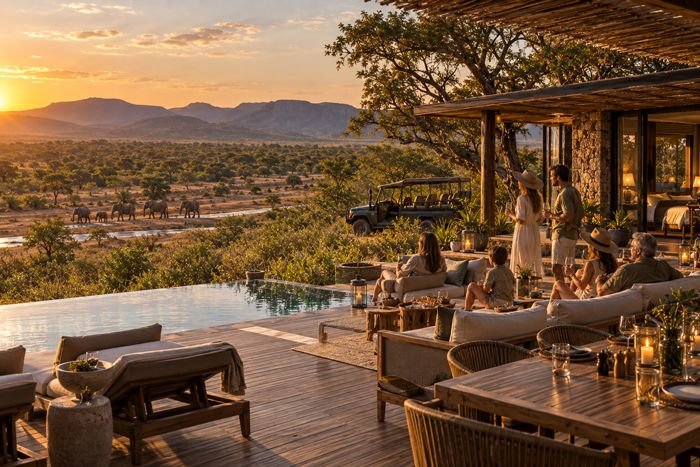
Many lodges in the south either remain open through the rains or reopen in early January with refreshed facilities. Booking ahead is still wise, especially for premium properties that fill up with seasonal travelers.
Safari styles
January works for:
- Classic 4×4 game drives
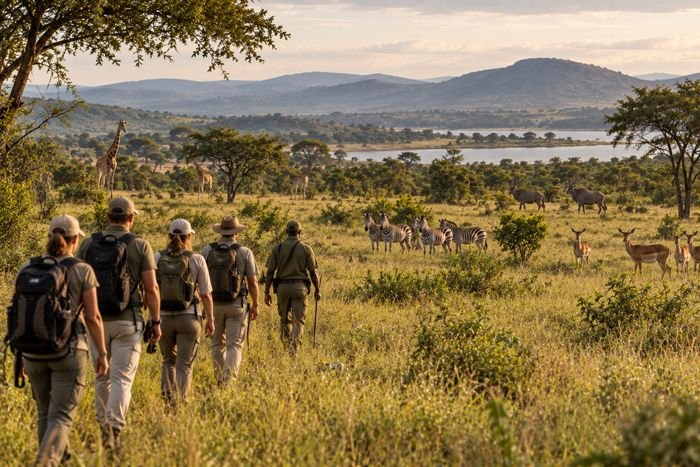
- Walking safaris where terrain and water levels permit
- Boat safaris in Nyerere’s river systems
Each offers a different lens on the landscape and its inhabitants.
What to pack
Because January nights can be cooler than expected and days warm:
- Lightweight layers for game drives
- Waterproof jacket in case of residual showers
- Good camera gear for wildlife and landscapes
How January fits into a broader Tanzania safari
If you’re combining southern parks with other regions:
- Consider a few days in the Serengeti’s southern plains or around Ruaha
- Coastal extensions to Zanzibar are lovely this time of year with turquoise seas and vibrant sunsets
January can be the cornerstone of an off‑beat but deeply rewarding Tanzania safari itinerary.
Conclusion
January is an extraordinary time to visit Tanzania’s southern parks. From the fresh landscapes and abundant wildlife to intimate safari experiences and vibrant local culture, this month offers a unique rhythm that’s both rewarding and unforgettable. For travelers seeking something beyond the usual northern highlights, January in the south delivers wilderness, beauty, and authenticity.
Ready to explore more? Dive deeper into our blog for detailed guides on each southern park and curated safari itineraries that match your travel style.
FAQs
No—January usually follows the short rains with diminishing showers. Trails are navigable and wildlife viewing is excellent.
Malaria risk exists year‑round. Take precautions and consult a travel doctor before departure.
Yes—January often features migration herds in the southern Serengeti, with calving season in full swing.
No—these parks are generally quieter than northern parks even in peak season.
Absolutely. It’s one of the best months for breeding and migrant species.
Yes—Zanzibar’s coastal weather complements a January safari perfectly.
Light aircraft transfers are efficient; 4×4 drives offer scenic overland adventure.
Many do, including guided walks and cultural visits.