When most travelers think of African safaris, lush savannahs and big herds under golden sunrise skies often come to mind. Namibia, however, tells a different story—one of stark beauty, ancient dunes, and wildlife uniquely adapted to thrive where others can’t. January may seem an unlikely month to explore a desert safari, but for those who crave extraordinary experiences with fewer crowds and distinct seasonal life, it’s one of the best times to visit.
In this guide, we delve into why January stands out for desert wildlife tracking in Namibia: from adaptive animals and dramatic landscapes to practical tips for planning your adventure.
Why January works for a Namibian desert safari
Namibia’s geography is dominated by the Namib Desert, one of the oldest deserts on Earth, and the expansive Kalahari Basin to the east. Unlike wet equatorial zones, Namibia experiences a semi‑arid to arid climate with low predictable rainfall. January sits within the rainy season, which may sound counterintuitive for a desert destination—but that brief greening brings life.
Seasonal refresh after the first rains
The first rains typically hit between November and February. By January, the desert floor often hosts fresh patches of green vegetation and seasonal water in pans and shallow depressions. This small but vital boost draws elusive desert wildlife out of hiding and creates opportunities for sightings you wouldn’t get in drier months.
- Seasonal waterholes form where animals congregate.
- Migratory and resident birdlife increases around temporary wetlands.
- Vegetation blooms offer rare photographic backdrops against stark dunes.
While temperatures can be warm during the day, mornings and evenings remain comfortable for game tracking and photography.
The wildlife you can track in January
Namibia’s deserts are home to some of Africa’s most specialized species—animals that have mastered survival in extreme heat and sparse water.
Desert‑adapted lions
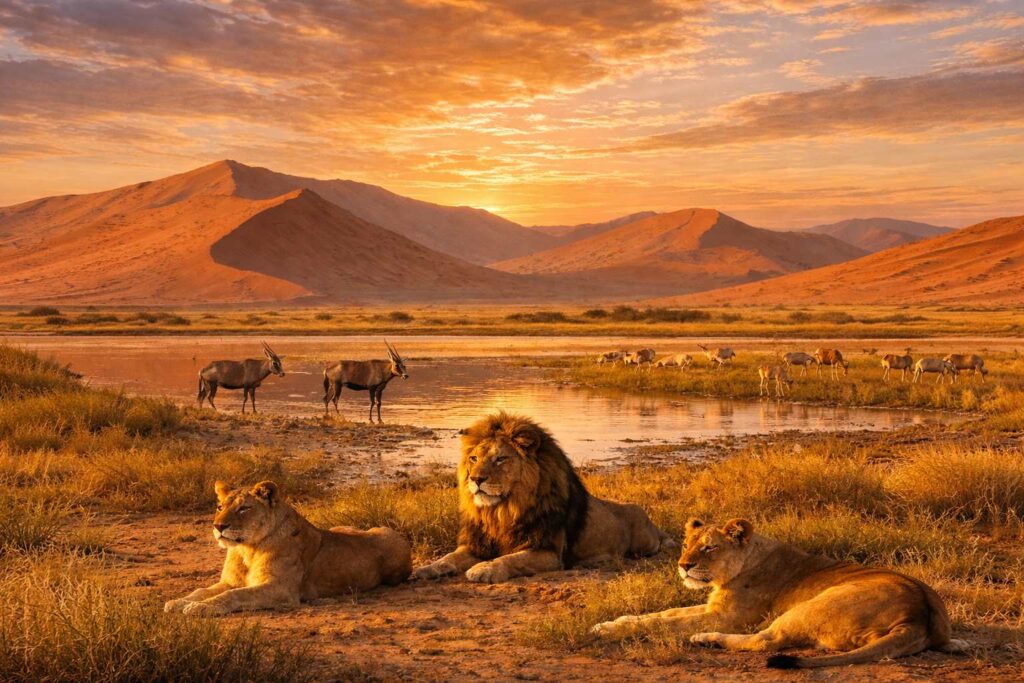
One of the most iconic residents of Namibia’s arid heart are the desert‑adapted lions, primarily found around Damaraland and Hobatere regions. These lions have evolved behaviors that help them withstand harsh conditions, including:
- Hunting smaller, nimble prey
- Ranging over larger territories than other lion populations
- Conserving water by deriving moisture from food
January’s greener plains and increased prey movements make tracking these lions more rewarding, offering chances to observe them at waterholes or on the move.
Oryx and springbok
These antelope species are synonymous with desert survival. The gemsbok (oryx) and springbok sport physiological adaptations that minimize water loss and tolerate extreme heat. In January, they are often seen grazing on new shoots and visiting emergent water sources early in the morning or late in the afternoon.
Mountain zebra and Hartmann’s mountain goat
In rocky outcrops around Brandberg and Palmwag, desert mountain zebra and Hartmann’s mountain goats offer dramatic wildlife sightings against rugged terrains. These species exploit niches inaccessible to many predators, and the post‑rain foraging improves spotting chances as vegetation briefly becomes more abundant.
Birds of the desert
Birdwatchers find January particularly rewarding. With temporary water and fresh greenery, both resident and migratory birds appear:
- Larks, pipits, and weavers on open plains
- Raptors riding thermal winds
- Rare desert water birds at seasonal pans
This seasonal shift makes a Namibian safari feel alive and dynamic even in dry landscapes.
Top regions for January desert tracking
Damaraland: rugged beauty and elusive lions
Damaraland stretches across rocky escarpments and ephemeral river beds. In January:
- Dry riverbeds hold seasonal water for wildlife gatherings
- Ancient landscapes form dramatic vistas at dawn and dusk
- Guided tracking yields sightings of desert‑adapted lion families
This region feels raw and untouched, ideal for travelers seeking both adventure and solitude.
Etosha National Park: salt pan spectacle
While Etosha is semi‑arid rather than true desert, its vast salt pan and peripheral grasslands form a premier wildlife hotspot year‑round. In January:
- Peripheral waterholes attract elephants, rhino, and big herds
- Birdlife thrives near seasonal puddles
- Predators linger near predictable watering spots
Etosha’s infrastructure also makes it a practical base for exploring deeper desert areas.
Skeleton Coast: desolation meets life
The Skeleton Coast’s foggy shores, shipwreck relics, and seal colonies contrast with inland dunes and plains. January’s mix of moisture and fog can heighten the mysterious charm of this coastline. While large land mammals are sparser here, birdlife and seal colonies on rocky shores provide compelling wildlife encounters.
Namib Sand Sea and Sossusvlei
The classic dunes around Sossusvlei come alive in January with dramatic shadows and rare desert flowering. While large mammals are less common, smaller denizens—meerkats, jackals, and reptiles—emerge into view. For many photographers and nature lovers, these striking landscapes are experiences unto themselves.
Practical advantages of a January safari
Fewer tourists, more solitude
Unlike the peak safari months in East Africa or southern Africa’s winter dry season, January sees fewer international visitors in Namibia’s desert parks. This translates to:
- More personalized guiding
- Quieter camps and lodges
- Greater freedom to explore remote tracks
For many travelers, this sense of exclusivity is a major draw.
Optimal game tracking conditions
Although deserts are dry by definition, the short rainy season offers:
- Cooler temperatures for morning and evening tracking
- Increased animal movement near water
- Vegetation that temporarily softens the stark landscape
Guides often know secret waterholes and drying pans where wildlife congregates during these weeks.
Rich photographic light
January’s skies and atmospheric conditions create dramatic light:
- Soft morning glows over dunes
- Electrifying cloud formations during fleeting showers
- Sunset silhouettes against open plains
For photographers, this seasonal light can turn ordinary scenes into unforgettable images.
What to expect weather‑wise
January weather in Namibia is warm with sporadic showers—more so in the north and central regions than along the Skeleton Coast. Days can reach high temperatures, so most activity is best scheduled:
- Morning drives (just after sunrise)
- Late afternoon/evening tracking
- Midday rest at shaded camps or lodges
Rainfall tends to be localized and short‑lived, often adding dramatic skies rather than serious disruption.
Safari styles to consider
Guided 4×4 tracking
Experienced guides maximize your chances of sightings by reading animal behavior, tracking footprints, and using local knowledge of water sources.
Walking safaris
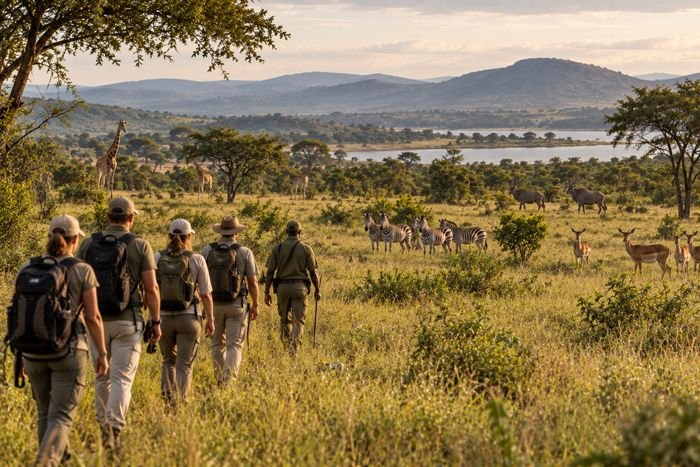
In designated conservancies and private reserves, guided walks allow you to sense the desert at ground level—tracking spoor, observing insects, and learning survival adaptations firsthand.
Photographic expeditions
Some tours cater specifically to photographers with extended time at prime viewpoints, sunrise/sunset dune explorations, and support for camera gear.
Preparing for your January adventure
Lodges and accommodation
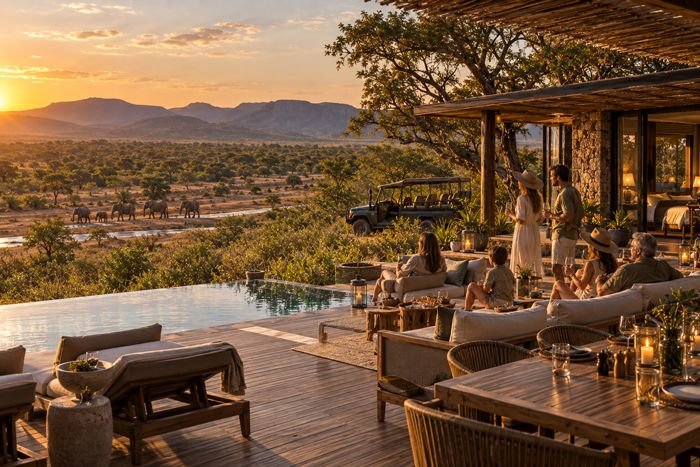
Many lodges and desert camps operate year‑round, but availability in January may still be limited compared with classic seasons. Booking early ensures access to top‑rated guides and prime locations.
Packing essentials
- Breathable layers for warm days and cool mornings
- Sun protection and a wide‑brimmed hat
- Sturdy walking shoes for dune and rocky terrain
- Binoculars and quality camera gear
Hydration is crucial—always carry water during excursions.
Health and safety
Desert environments are remote. Ensure:
- Comprehensive travel insurance
- Knowledge of local medical evacuation plans
- Vaccinations and malaria prevention as advised
Conclusion
Tracking desert wildlife in Namibia during January is a safari experience unlike any other. With its blend of dramatic landscapes, adaptive animal behavior, and the unique rhythm of a greener desert season, January provides both solitude and spectacle. Whether your passion is wildlife, photography, or simply uncovering the deeper textures of Africa’s wild places, Namibia in January stands apart from the ordinary.
For more insights on planning your Namibian safari or exploring other extraordinary African destinations, be sure to browse more guides on our blog.
FAQs
Yes—temporary water sources concentrate animals, and vegetation growth draws species out for grazing.
Generally yes—rainfall is light and localized; experienced guides know how to navigate changing conditions.
Yes—remote tracks and sandy terrain require high‑clearance, well‑equipped vehicles.
Yes—desert‑adapted lions, jackals, and sometimes leopards are active, especially near water sources.
Days are warm to hot, but mornings and evenings are cooler, ideal for game tracking.
Yes—rainfall attracts both resident and migratory birds to temporary wetlands.
Localized rains can cause temporary runoff, but major flooding is rare in desert regions.
Absolutely—Etosha, the Caprivi Strip, and the Skeleton Coast make excellent extensions.