Rwanda is often called the “Land of a Thousand Hills,” and while most travelers associate it with mountain gorillas, few realize that it is also one of East Africa’s most rewarding birdwatching destinations. With more than 700 recorded bird species packed into a relatively small country, Rwanda offers an extraordinary diversity of habitats: montane rainforests, savannas, wetlands, lakes, and river valleys.
Among all the months of the year, February stands out as one of the best times for birdwatching in Rwanda. It combines excellent weather conditions, peak activity from resident species, and the presence of migratory birds, creating a perfect storm for rare and memorable sightings. Whether you are a dedicated birder or a traveler who simply enjoys nature, February delivers some of the most exciting birding opportunities the country has to offer.
Why Rwanda is a birdwatching powerhouse
Rwanda sits at the heart of the Albertine Rift, one of Africa’s most important biodiversity hotspots. This region is famous for its high number of endemic species—birds that are found nowhere else in the world. The country’s dramatic changes in altitude, from low-lying savannas to misty mountain forests, create a mosaic of ecosystems that support a remarkable variety of birdlife.
In a single trip, you can move from papyrus swamps filled with secretive wetland species to ancient montane forests echoing with the calls of colorful turacos and sunbirds. Few countries offer such diversity in such a compact and accessible setting.
What makes February special for birdwatching in Rwanda?
A sweet spot in the dry season
February falls within one of Rwanda’s drier periods of the year. While Rwanda is a green country and receives rainfall in most months, February usually brings:
- More stable weather
- Less muddy trails in forest parks
- Better visibility in both forests and open landscapes
- More comfortable conditions for long days in the field
This makes it much easier to explore key birding areas like Nyungwe Forest, Volcanoes National Park, and Akagera National Park without constantly battling slippery paths or heavy downpours.
Peak time for migratory species
February is also part of the prime season for Palearctic and intra-African migrants. These birds arrive from Europe, Asia, and other parts of Africa to spend the northern winter in East Africa. In February, many of them are still present, adding dozens of species to Rwanda’s already impressive resident bird list.
This means you get the best of both worlds:
- Endemic and resident Albertine Rift species
- A rich selection of migratory birds in wetlands, savannas, and open countryside
The result is maximum species diversity in a single month.
High bird activity and vocal behavior
February is a very active time for birds. Many species are:
- Calling frequently
- Defending territories
- Displaying or nesting
This makes birds easier to locate and identify, especially in forest environments where sound is often more important than sight. For birders, this translates into more sightings, better views, and more rewarding field days.
Rwanda’s main birding regions in February
Nyungwe Forest National Park: the crown jewel
Nyungwe is one of Africa’s most important montane rainforests and the single best birding destination in Rwanda. It is home to over 300 bird species, including many Albertine Rift endemics.
In February, Nyungwe is at its best:
- Trails are more accessible
- Forest activity is high
- Mixed-species feeding flocks are common
Key species birders hope to see here include:
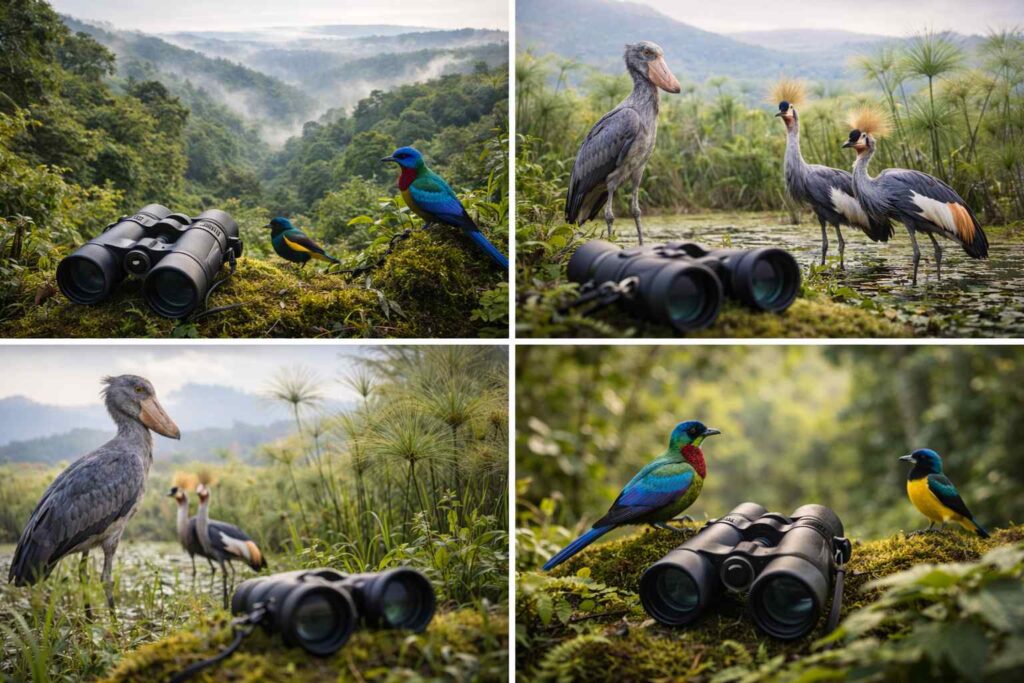
- Rwenzori turaco
- Red-collared babbler
- Grauer’s warbler
- Rwenzori batis
- Regal sunbird
Birding in Nyungwe is immersive and atmospheric, with misty valleys, towering trees, and constant birdsong creating a magical experience.
Akagera National Park: savanna and wetlands
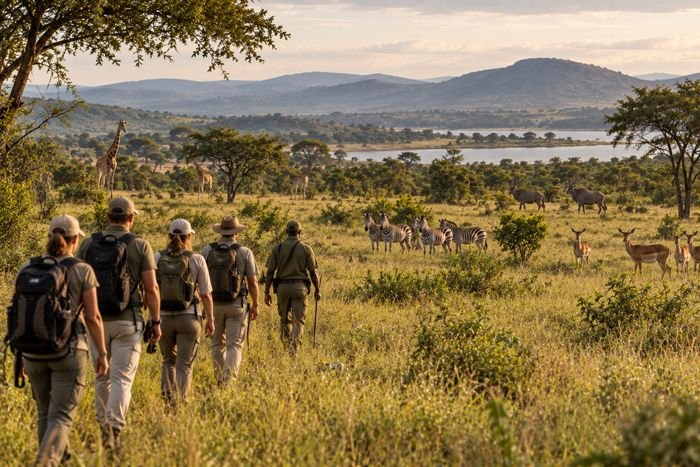
In the east of the country, Akagera offers a completely different birding environment. This is a classic African savanna landscape mixed with lakes, marshes, and papyrus swamps.
February is excellent here because:
- Water levels still attract many waterbirds
- Migratory species are present
- Open habitats make spotting birds easier than in dense forests
Notable species in Akagera include:
- Shoebill
- Papyrus gonolek
- Grey-crowned crane
- African fish eagle
- A wide variety of storks, herons, and raptors
Akagera is also ideal for travelers who want to combine birdwatching with classic wildlife safaris.
Volcanoes National Park and Gishwati-Mukura
These highland forest areas add even more Albertine Rift specialties to your list. While most visitors come for gorillas or golden monkeys, February is a great time to look for:
- Rwenzori double-collared sunbird
- Handsome francolin
- Strange weaver
- Various montane forest species
These parks work perfectly as add-ons to a primate-focused itinerary.
Wetlands and lakes around Kigali
One of Rwanda’s great surprises is how good birding can be even near the capital. Wetlands, rivers, and small lakes around Kigali and in central Rwanda host a wide range of:
- Kingfishers
- Weavers
- Bishops
- Waders and herons
In February, these areas are especially productive thanks to the presence of migratory species and high overall bird activity.
Rare and endemic species: why February matters
Rwanda is one of the best places in the world to see Albertine Rift endemics, and February is one of the best months to look for them. These species are often forest-dependent and can be difficult to find in poor weather.
Because February offers:
- Better trail conditions
- More vocal birds
- More active feeding flocks
…your chances of seeing these range-restricted species are significantly higher.
In addition, wetlands like Rugezi and other marshy areas may host highly localized and rare species that are much harder to find at other times of the year.
Combining birdwatching with other experiences
One of Rwanda’s great strengths is how easy it is to combine birding with other wildlife experiences:
- Gorilla trekking in Volcanoes National Park
- Chimpanzee tracking in Nyungwe
- Classic game drives in Akagera
- Scenic cultural and countryside exploration
February is an excellent month for this kind of mixed itinerary because road and trail conditions are generally good across the country.
Practical tips for birdwatching in Rwanda in February
What to pack
- Lightweight, breathable clothing
- A light rain jacket (just in case)
- Good walking shoes or hiking boots
- Binoculars and a camera with a decent zoom
- A hat and sun protection
How to plan your days
- Start early: mornings are when bird activity peaks
- Be patient in forests: many species are heard before they are seen
- Use a local birding guide: this dramatically increases your chances of finding rare species
- Plan for a mix of habitats: forest, wetland, and savanna for maximum diversity
Physical difficulty
Most birding in Rwanda involves:
- Gentle to moderate walking in savannas and wetlands
- More demanding hikes in forested and mountainous areas like Nyungwe
February’s drier conditions make all of this more comfortable and safer than in wetter months.
Is February the best month overall?
While Rwanda offers birdwatching year-round, February is one of the most balanced and rewarding months because it combines:
- Dry season accessibility
- High resident bird activity
- Presence of migratory species
- Comfortable travel conditions
For birders who want maximum diversity and better chances at rare species, it is hard to beat.
Conclusion
Birdwatching in Rwanda in February is a truly outstanding experience. With its mix of dry-season comfort, peak bird activity, migratory arrivals, and access to some of Africa’s most important endemic species, February stands out as one of the best months of the year for serious and casual birders alike.
From the misty forests of Nyungwe to the papyrus swamps of Akagera and the wetlands around Kigali, Rwanda offers an incredible variety of birding in a compact, beautiful, and easy-to-explore country. If rare sightings and rich species lists are your goal, February should be at the very top of your calendar.
If you want to keep exploring Africa’s best seasonal wildlife experiences, you’ll find many more guides and inspiration throughout our blog.
FAQs
Yes, it’s one of the best months thanks to dry weather, active resident birds, and the presence of migratory species.
On a well-planned trip covering several habitats, it’s possible to see well over 300 species.
Yes, better trail conditions and higher bird activity improve your chances significantly.
Not at all. Rwanda is excellent for both beginners and experienced birders due to good infrastructure and diverse habitats.
Yes, February is a great month to combine both experiences in one itinerary.
Temperatures are generally pleasant, with cooler conditions in the highlands and warmer days in Akagera.
While not mandatory, a specialist birding guide greatly increases your chances of seeing rare and endemic species.
Yes, February’s drier conditions usually mean good accessibility across most parks and reserves.