February is one of the most spectacular times of year to visit the Serengeti, and for many safari lovers it’s the month of choice for witnessing one of nature’s greatest wildlife events: calving season. While the Serengeti’s famous Great Migration river crossings later in the year draw crowds of photographers and adventurers, February offers something different — an immersive wildlife spectacle filled with newborns, action‑packed predator encounters, and vivid natural scenery.
In this guide you’ll discover why February is a top month for safari in the Serengeti, what makes calving season special, and exactly what you can expect from your trip.
What is the Serengeti Calving Season?
The calving season refers to the annual period when hundreds of thousands of wildebeest give birth to calves across the southern Serengeti plains, usually peaking around late January to February. After migrating from the western corridor in search of fresh grasses, the herds pause in the nutrient‑rich plains of the Ndutu area (in the southern part of the Serengeti ecosystem) to give birth.
This massive, synchronized birthing creates one of the most dramatic wildlife phenomena on Earth — not just because of the sheer numbers of newborns, but because it triggers intense predator‑prey dynamics that are unrivaled during other times of the year.
Why February is the Best Time for Calving
1. Peak Births
By February, conditions in the southern plains are ideal for wildebeest calving: fresh grasses from recent short rains provide abundant nutrition, and the heat encourages synchronized births. Thousands of calves are born almost simultaneously, which:
- Increases survival odds for the species as a whole
- Provides unprecedented viewing of newborn animals
- Sets the stage for predator action
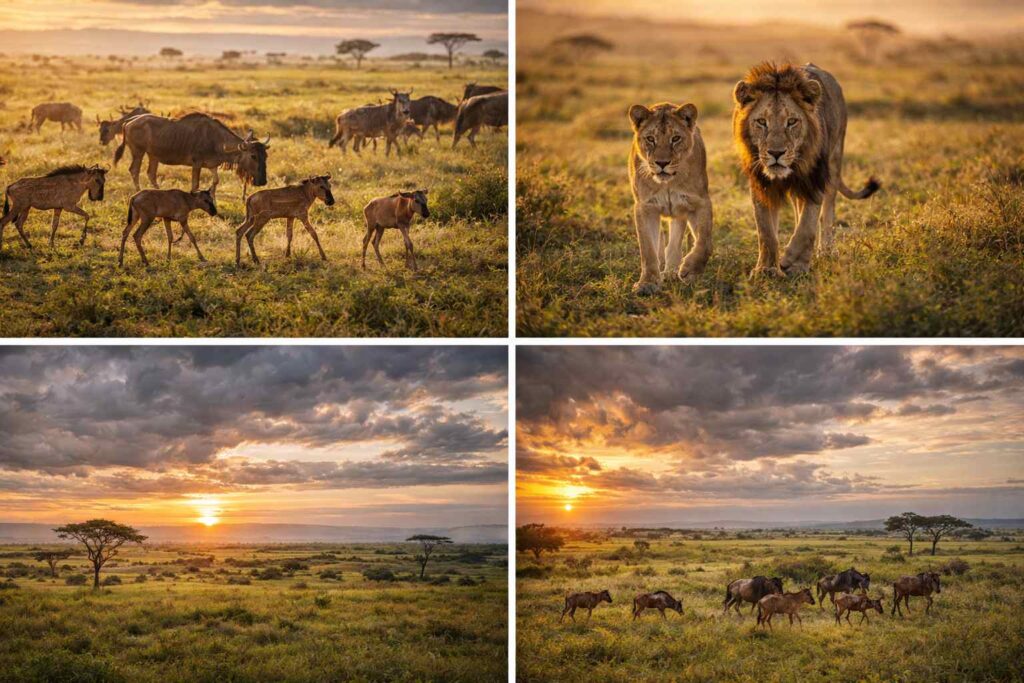
Seeing calves taking their first steps and nursing in the wild is unforgettable and emotionally moving for many safari visitors.
2. Predator Activity at Its Highest
Calving season is a feeding phenomenon for predators. The presence of vulnerable young animals draws:
- Lions on dawn and dusk hunts
- Cheetahs targeting lone calves in open grass
- Spotted hyenas and leopards patrolling the edges of the herds
- Wild dogs coordinating group tactics
This is peak predator‑prey interaction — not just sightings of individual lions or cheetahs, but whole sequences of behavior as predators track, stalk, and pursue.
3. Fewer Crowds than Peak Migration Season
Unlike July through October, the February calving window sees far fewer tourists, which means:
- More relaxed game drives
- Fewer vehicles at sightings
- More time with wildlife
- Better opportunities for private or customized safaris
For travelers who prefer quality of experience over quantity of crowds, February is a perfect choice.
What the Serengeti Looks Like in February
Landscapes and Weather
In February, the Serengeti’s southern plains are vibrant:
- Rolling grasslands dotted with fresh green shoots
- Wide‑open vistas under big skies
- Occasional short thunderstorms that add dramatic light and depth to photos
Temperatures are warm, often ranging from comfortable mornings to hot afternoons — ideal for early and late game drives, but also great for slow wilderness afternoons or relaxing at your lodge.
Wildlife Dynamics
Game viewing in February goes beyond wildebeest. You’re likely to see:
- Large herds of zebra and Thomson’s gazelle browsing alongside wildebeest
- Elephants cooling off in seasonal waterholes
- Giraffe browsing acacia trees
- Hippos in rivers and muddy pools
But the story of the season is the newborns and the predators that follow them.
Best Places to Witness Calving in February
Ndutu Region
The Ndutu area — near the Ngorongoro Conservation Area border — is the heart of the calving season. This is where grasses are freshest and the herds congregate to give birth. It’s ideal for both:
- Open‑vehicle game drives
- Photography safaris with dramatic plains and big skies
Western Corridor and Kopjes
Some herds still linger near the granitic kopjes and riverine woodlands of the western Serengeti. While not as dense as Ndutu, these areas offer great views of predators and adult herds on the move.
Where you stay will also affect which parts of the park you can realistically explore. For a broader look at the different regions, wildlife areas, and accommodation options, see our complete Serengeti National Park safari guide.
What to Expect on Safari in February
Game Drives at Prime Times
Most lodges schedule:
- Early morning drives to catch predators on the move
- Late afternoon/early evening drives when temperatures cool and wildlife is active
The light in February is ideal for photography — warm, soft golden tones with occasional storm clouds to add contrast.
Walking Safaris and Specialized Tours
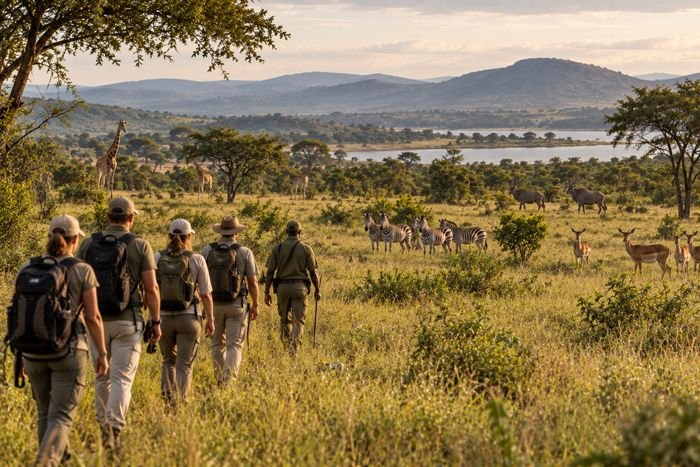
Some operators offer guided bush walks (in areas where it’s permitted), giving you a ground‑level perspective of tracks, spoor, and smaller creatures — a different and very intimate way to experience the ecosystem.
Hot Air Balloon Safaris
While cooler months are more associated with balloon rides, February’s stable weather can still allow flights over open plains — perfect for panoramic views of herds and birdlife.
Why February Is Different from Peak Migration Months
- Peak calving ≠ river crossings. The dramatic river crossings we see later in the year (July–October) are about crossings of the Grumeti and Mara rivers, not birth. February’s spectacle is birth, growth, and predator interactions.
- Dynamics differ. In peak months, animals are often spread across vast areas or engaged in directional movement. In February, they’re concentrated, social, and interacting with newborns — making behavior easier to observe.
- Crowds are smaller. Peak season brings vehicles from around the world; calving season is quieter, giving you space and time with wildlife.
Practical Tips for Visiting in February
Book Early and Choose the Right Camps
Lodges near Ndutu and the southern plains can fill up, even in quieter months. Reserve early to secure:
- Rooms with open plains views
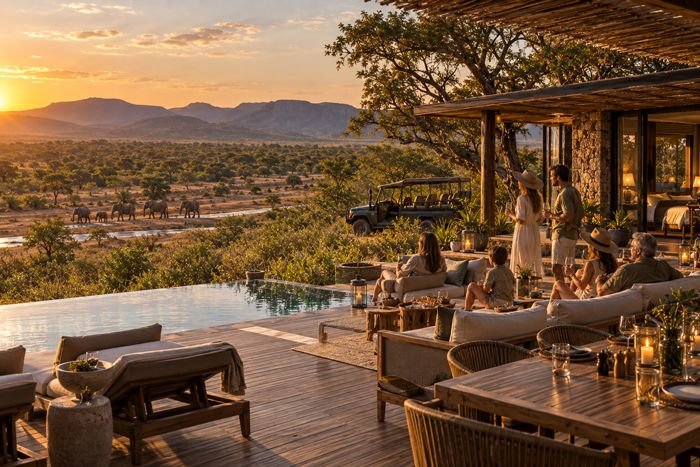
- Private dining or sunset deck experiences
- Safari companies with expert guides who know calving hotspots
Pack for Variable Weather
February weather can shift — warm days, cool mornings, and occasional showers — so bring:
- Breathable layers
- A rain jacket or poncho
- Sun protection (hat, sunglasses, sunscreen)
Plan for Multiple Drives
Predator action and calving dynamics can vary by area and day. Multiple dawn and dusk drives increase your chances of witnessing real wildlife behavior.
FAQs About Visiting the Serengeti in February
Yes — but it’s focused on calving and herd behavior in the southern plains. Classic river crossings occur later in the year.
Many calves are born within a compressed timeframe, which creates incredibly dense gatherings of newborns — that’s the spectacle of calving season.
Generally, yes. February can bring short rains, but major safari routes — especially near Ndutu — are well maintained and passable in 4×4 vehicles.
You can see lions, leopards, cheetahs, hyenas, and even wild dogs — all drawn to the plains by the presence of vulnerable calves.
A 4–7 day safari allows you to explore multiple areas and maximize sightings during peak activity times.
No — it’s quieter than peak migration months, giving you more space and time with wildlife.
Conclusion
Visiting the Serengeti in February to witness calving season is a rich and rewarding safari experience that blends thrilling predator encounters, vivid wildlife behavior, and unforgettable plains scenery. Whether you’re a first‑time safari traveler or a seasoned wildlife enthusiast, February offers a rare window into the natural rhythms of one of Africa’s most iconic ecosystems.
From newborn wildebeest taking their first steps to lions coordinating hunts against golden grass backdrops, calving season has a freshness and intensity that you won’t find at any other time of year.
Plan ahead, choose expert guides and lodges near the southern plains, and get ready to experience the Serengeti at one of its most dynamic moments.