February is a wonderful time to explore Africa’s rich wildlife and breathtaking landscapes. While it’s part of the green season in many regions — meaning occasional rain and lush scenery — it’s also a month of remarkable safari experiences: from dramatic predator interactions and bird migrations to scenic new life across floodplains and forests. To help you plan the perfect February safari, we’ve grouped the best national parks by region, highlighting what makes each destination special this month.
East Africa: Big Wildlife, Calving Plains & Born‑Free Babies
1. Serengeti National Park (Tanzania)
Why go in February: This is prime calving season for wildebeest and zebra in the southern plains around Ndutu, where thousands of calves take their first steps and predators are highly active.
What you’ll see: Newborn antelope, intense predator‑prey action, vast plains under dramatic skies.
2. Masai Mara National Reserve (Kenya)
Why go in February: February offers excellent wildlife viewing with fewer crowds — perfect for predator encounters, big cat sightings, and lush landscapes after the short rains.
What you’ll see: Lions, cheetahs, elephants, and seasonal birdlife across rolling savannah.
3. Queen Elizabeth National Park (Uganda)
Why go in February: Warm and green, this park’s combination of forests, crater lakes, and open plains attracts a wide range of wildlife.
What you’ll see: Tree‑climbing lions in Ishasha, hippos in the Kazinga Channel, and plenty of bird species.
Southern Africa: Rivers, Deltas & Hidden Gems
4. Okavango Delta & Moremi Game Reserve (Botswana)
Why go in February: The delta is lush and green, with abundant birdlife, dispersed wildlife, and dramatic rain‑fed scenery perfect for photography.
What you’ll see: Elephants near water, hippos and crocodiles, rare birds, and dramatic river channels.
5. South Luangwa National Park (Zambia)
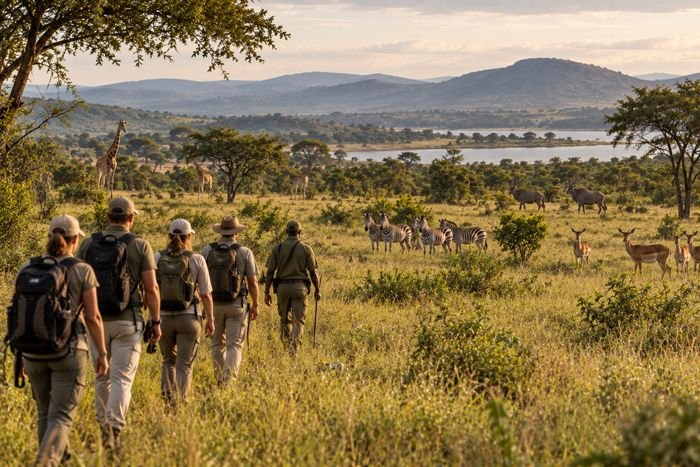
Why go in February: This is one of Zambia’s green‑season highlights, with excellent bird diversity, newborn antelope, and traditional walking safaris through forest and floodplain.
What you’ll see: Birdlife galore, leopards, hippos, and prowling predators among green landscapes.
6. Etosha National Park (Namibia)
Why go in February: Although wetter, Etosha’s waterholes draw wildlife and birdlife alike, with off‑season advantages like fewer vehicles and striking scenery.
What you’ll see: Elephants, black rhino, giraffes, and myriad waterbirds around pan water.
7. Kruger National Park (South Africa)
Why go in February: With summer rains bringing lush vegetation and migratory birds, Kruger’s game remains active and the parks are less crowded than peak dry months.
What you’ll see: Big Five game, abundant birdlife, and dramatic thunderstorm skies.
West Africa: Rainforest and Savanna Fusion
8. Pendjari National Park (Benin)
Why go in February: One of West Africa’s finest parks, Pendjari’s mix of savanna and woodland makes it great for spotting elephants, lions, and buffalo without the heavy rains of earlier months.
What you’ll see: Large mammals in open areas, vibrant bird populations, and broad river valleys.
9. Niokolo‑Koba National Park (Senegal)
Why go in February: With the rainy season ending and water still present, large game and waterbirds are active across this UNESCO World Heritage Site.
What you’ll see: Elephants, lions, antelope, and prolific birdlife in wooded grasslands and riverine zones.
North Africa: Desert Landscapes & Cultural Extras
10. Wadi Rum & Surrounding Protected Areas (Jordan/North Africa fringe)
Note: While not a traditional African national park, areas like Wadi Rum fit desert safari experiences on the continent’s northern edge.
Why go in February: Cooler desert temperatures make exploration feasible, and dramatic landscapes offer excellent photography.
Island Safaris & Wetlands
11. Lake Nakuru National Park (Kenya)
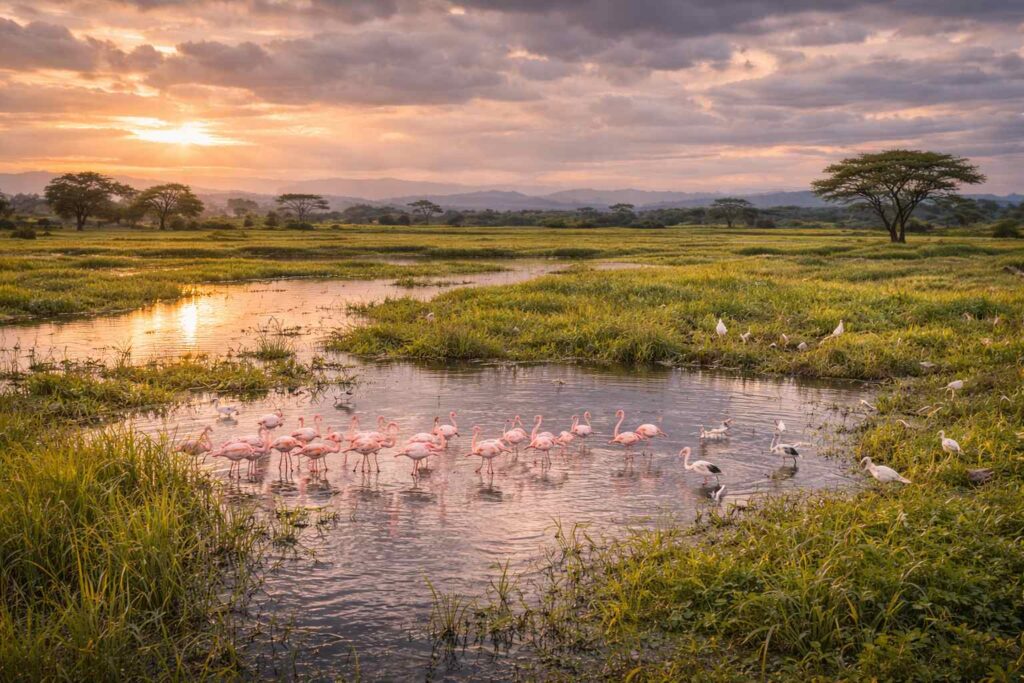
Why go in February: Clear skies and good visibility make it a great time for seeing flamingos and other waterbirds, plus white rhino and large game.
What you’ll see: Flamingo flocks, rhinos, hippos, and diverse birdlife on lush lake shores.
12. Kidepo Valley National Park (Uganda)
Why go in February: Remote and wild, Kidepo’s dramatic landscapes and dry air offer clear skies and spectacular sightings during green season transitions.
What you’ll see: Lion prides, giraffe, ostriches, and a suite of birds in open savannah habitat.
Why February Is a Great Month for Safari
Lush Landscapes & Dramatic Light
Across Africa’s parks, February brings vibrant greens, blooming plains, and storm‑fed cloud formations that elevate the visual drama of wildlife photography and scenic drives.
Birding Bonanza
Seasonal rains spark insect and fish activity, which in turn drives birdlife abundance. Many migratory and resident species are found in peak plumage or active behavior, particularly in wetlands and floodplain zones.
Fewer Tourists, More Personal Experiences
Compared with peak dry‑season months (June–September), February often sees smaller crowds, more availability at lodges, and better access to vehicles and guides.
Lower Costs & Seasonal Offers
Many safari operators and luxury camps offer green‑season discounts or extras in February, including extended game drives, photography workshops, and birding excursions.
Safari Tips for February Travel
Pack for mixed weather: Lightweight breathable clothing for warm days, rain jacket or poncho, and sturdy walking shoes for wet terrain.
Book early for best locations: Even green‑season safari lodges in top parks have limited availability.
Plan for morning and late‑afternoon game drives: Wildlife is most active in cooler hours, and light is best for photography.
Bring binoculars and camera gear: Lush landscapes and birdlife make this season especially rewarding for close and distant viewing.
Conclusion
February in Africa offers a wide range of national park experiences across regions — from dramatic predator scenes in East Africa and vibrant birdlife in southern wetlands to quieter game drives in West African savannas. Whether you’re a photographer chasing dynamic skies and reflections, a birder seeking seasonal migrants, or a wildlife enthusiast seeking less crowded safaris, February delivers unforgettable journeys across the continent’s premier natural landscapes.
For more seasonal safari guides and regional breakdowns, explore the rest of our blog.
FAQs
Yes — many parks are lush with wildlife and birdlife, and fewer crowds make experiences more relaxed.
Rain can fall, but showers are usually brief and often enhance the scenery rather than disrupt travel.
Expect newborn herbivores, predators, abundant birds, and green landscapes that contrast with dry‑season visuals.
Yes — February often sees fewer tourists than peak dry months.
Definitely — afternoon showers are common in many regions.
Excellent — vibrant greens, reflections, and dramatic skies make striking compositions.
Yes — many visitors pair East and Southern Park experiences for varied safari styles.
Often yes — some operators offer green‑season packages or discounts during this time.