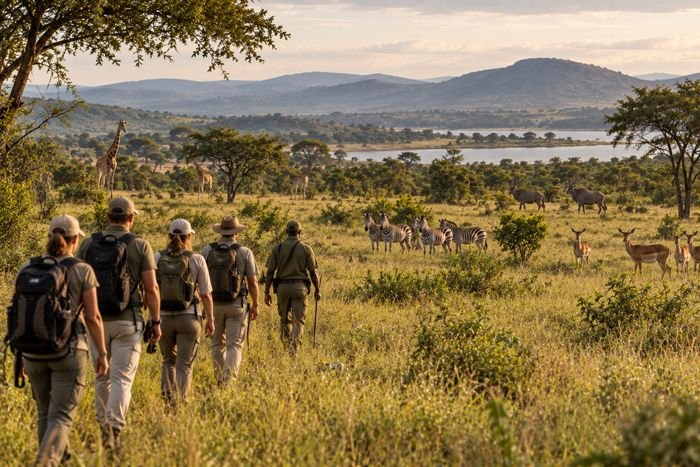
A self‑drive safari — where you explore a wildlife reserve or national park in your own vehicle — offers unmatched freedom and connection with nature. Yet it also comes with unique responsibilities and hazards if you’re unprepared. Staying safe isn’t just about avoiding accidents; it’s about respecting wildlife, understanding local road and park conditions, and anticipating unexpected challenges before they happen.
In this guide, we’ll walk through the key rules, potential risks, and real‑world road conditions you should know before heading out on your own safari journey.
What Is a Self‑Drive Safari?
Unlike guided tours where a professional driver and guide handle navigation and wildlife spotting, a self‑drive safari puts you behind the wheel of your own vehicle — often in rugged, remote environments. You control:
- Route and pace
- Stops and photo breaks
- Timing of sunrise/sunset drives
This independence is liberating — but it also means you’re responsible for your safety and decisions on the road.
Essential Safety Rules for Self‑Drive Safaris
1. Know and Respect Park Regulations
Every wildlife area has specific rules designed to protect both visitors and animals. Common ones include:
- Stay in designated roads and tracks only: Never off‑road without permission.
- Observe speed limits: These are low for a reason — animals may appear suddenly.
- Only exit the vehicle in designated areas: Walking on game trails is usually prohibited.
- Respect camp and park gates’ opening hours: Gates often close after dark.
Breaking these rules isn’t just unsafe — it can jeopardize wildlife and lead to fines or removal from the park.
2. Keep a Safe Distance from Animals
Animals may look calm, but they remain wild — and unpredictable. A good safety guideline is:
- Stay at least 30 meters away from large mammals (elephants, buffalo, lions)
- Never approach a grazing or resting animal too closely
- Do not stop in the middle of a road to watch wildlife — pull well off track
Animals can charge if startled, feel threatened, or protect young — giving them space prevents stress and dangerous encounters.
3. Drive at Appropriate Times and Speeds
Wildlife is most active at dawn and dusk — which are also times when visibility is low. Always:
- Drive slow in wildlife areas (often 40–50 km/h or lower)
- Use headlights around sunrise and sunset
- Avoid night driving whenever possible — animals on roads increase risk.
Many parks also prohibit night driving altogether or restrict it to guided vehicles for safety.
Road Realities: What to Expect on Safari Tracks
4. Uneven Terrain & Changing Conditions
Safari roads vary by park and weather:
- Dry, dusty tracks can disrupt traction
- Wet, muddy roads can bog vehicles in the green season
- Loose sand or gravel requires careful tire control
A 4×4 vehicle with good clearance and high‑quality tyres is often recommended for national parks and reserves.
Tire safety tips:
- Check tyre pressure daily
- Carry a spare (or two)
- Bring recovery equipment (shovel, traction mats)
5. Sudden Roadblocks & Wildlife Crossings
Animals don’t use pedestrian crossings — so:
- Always scan ahead for wildlife on or near the road
- Be ready to slow down instantly
- Never honk at wildlife — it can increase stress or provoke a charge
Elephants, buffalo, and hippos can wander onto tracks without warning. When you see hoofprints or disturbed sand, slow down — wildlife may be close.
Vehicle Preparedness: Don’t Go Without These
6. Safety & Repair Kit Checklist
Before departure, ensure your vehicle carries:
- Spare tire (at least one; two recommended)
- Jack and all tools for tire changing
- First‑aid kit
- Jumper cables
- Recovery straps or snatch strap
- Flashlight with extra batteries
- Water and fuel reserves (jerrycans)
- Portable phone charger or inverter
A minor mechanical issue can escalate fast in remote locations — preparation prevents being stranded.
Common Risks — And How to Avoid Them
7. Wildlife Encounters Near Camps and Roads
Animals often congregate near water sources or shade, which can be near lodges or main tracks. Avoid:
- Getting out of the car near water holes
- Approaching any animal that is not clearly calm
- Entering dense bush on foot
Always wait for a guide or ranger if you’re unsure.
8. Weather Hazards
Seasonal rains can change everything quickly:
- Roads can become slippery or impassable
- Bridges and low water crossings may flood
- Tracks can wash out without warning
Before setting off, check weather and park updates and let someone know your intended route and return time.
9. Getting Lost in Remote Areas
GPS is helpful, but don’t rely solely on it in pristine wilderness:
- Park boundaries often lack cell signal
- Satellite or paper maps are better backups
- Carry a physical map and compass
Guidebooks or information from ranger stations are also valuable for safe navigation.
Daily Safari Safety Habits
10. Stay Visible, Be Predictable
Wild animals and other drivers benefit from predictable movements:
- Indicate turns or stops with signals
- Avoid sudden loud noises
- Keep your vehicle in good visible condition
11. Respect Other Safari Users
Not all safari vehicles travel at the same speed. Allow others to pass safely and avoid risky overtake attempts on dusty or narrow tracks.
Emergencies: What To Do If Things Go Wrong
12. If You Break Down
- Stay with your vehicle – it’s easier to spot than you.
- Turn on hazard lights and tie a bright cloth on the antenna or door handle.
- Attempt contact via satellite phone or reserve radio frequency if available.
13. If You Encounter Aggressive Wildlife
- Stay calm and still
- Do not make loud noises or sudden movements
- Reverse slowly to put space between you and the animal
Guides are trained for these scenarios — consider carrying walkie‑talkies or a GPS messenger for remote support.
Etiquette for Self‑Drive Safaris
Good behavior not only protects you — it protects wildlife and other visitors too:
14. Keep Distance from Animals
Never box in a lion, elephant or herd just for a photo. As a rule, stay at least 30 meters (100 feet) from elephants, rhinos, and lions.
15. Minimize Vehicle Disturbance
- Park away from tracks when stopping
- Avoid idling engines near wildlife
- Keep voices low
Stressed wildlife can move away — detracting from your own and others’ safari experiences.
Self‑Drive vs. Guided Safari: Which Is Safer?
Both options are great — but:
- Guided safaris offer expert tracking, local knowledge, and immediate safety response
- Self‑drive safaris give freedom and independence — but require self‑reliance, careful planning, and strict adherence to safety practices
If you’re a confident planner who loves autonomy, a self‑drive safari is fantastic — just make safety and preparation your top priority.
Conclusion
A self‑drive safari promises adventure, flexibility, and unforgettable wildlife encounters — but it’s not something to approach lightly. The difference between an ordinary journey and a memorable, safe one is preparation: knowing park rules, respecting wildlife, anticipating road conditions, and staying equipped for unexpected situations.
By following safety recommendations, observing risk factors, and learning the road realities of African wilderness parks, you can enjoy an independent safari with confidence and peace of mind. Africa’s wild heart is open to explorers — as long as they travel with respect, care, and knowledge.
FAQs
Yes — with proper preparation, respect for wildlife, and compliance with park rules, self‑drive safaris are a widely enjoyed and safe style of travel.
Elephants, buffalo, hippos, and large carnivores can appear on or near tracks; always maintain a safe distance.
In most national parks and reserves with rugged terrain or muddy conditions, a 4×4 is strongly recommended.
Most parks prohibit night driving for safety; always check the specific park’s rules.
Rain gear, first‑aid supplies, fire extinguisher, spare tyres, maps, charged communication devices.
Useful for confident drivers with good planning, but first‑time visitors may prefer guided safaris initially.
Stay with your vehicle, use maps or GPS, and contact park authorities if possible.
Most comprehensive vehicle and travel insurance can cover safari incidents — confirm coverage before departure.