Solo travel in Africa — especially a solo safari — can be an empowering and unforgettable adventure. The continent’s wildlife, vibrant cultures, dramatic landscapes, and sense of wide‑open wilderness attract travelers from all over the world. But many women considering a solo safari ask the same question first: Is it safe?
The short answer: Yes — with thoughtful planning, situational awareness, and smart choices, solo female travelers can enjoy safaris safely and confidently. Africa isn’t a monolith; safety varies by country, region, park, and type of trip. In this guide, we break down key considerations, practical safety strategies, and how to plan a trip where confidence, safety, and enjoyment go hand in hand.
What “Safety” Really Means on a Solo Safari
When women ask about safari safety, they’re usually concerned about:
- Personal safety (crime, harassment, isolation)
- Wildlife encounters
- Transportation and road safety
- Health and medical support
- Local customs and cultural norms
On a safari — self‑drive or guided — these factors are shaped by where you go, how you plan, what support you have, and how well you prepare. With that context, most hazards can be anticipated and mitigated.
Africa’s Diversity: Some Countries Are Better for Solo Travel
We often say Africa is 54 countries — all unique. Some are especially popular and well‑prepared for solo travelers:
1. Kenya
Outstanding safari infrastructure in places like the Masai Mara and Amboseli. Transport is well‑developed between Nairobi and parks, and many camps cater to solo guests. Cultural hospitality is strong, though city areas require standard vigilance.
2. Tanzania
Serengeti and Ngorongoro are bucket‑list safari destinations with excellent guiding and park systems. Solo travelers thrive with organized tours or lodge bookings.
3. South Africa
With established tourism infrastructure, lodges, self‑drive parks (like Addo or Kruger), and strong English‑speaking environments, South Africa is one of the easier countries for independent female travelers.
4. Botswana
Known for exclusivity, conservancies, and safety. More remote areas mean fewer crowds and guided safaris are most common.
5. Zambia & Rwanda
Both are excellent for guided safaris (South Luangwa, Lower Zambezi, Akagera) and have welcoming communities and structured park experiences.
These countries combine safari access with infrastructure that supports solo travelers.
The Biggest Rule for Solo Female Travelers on Safari
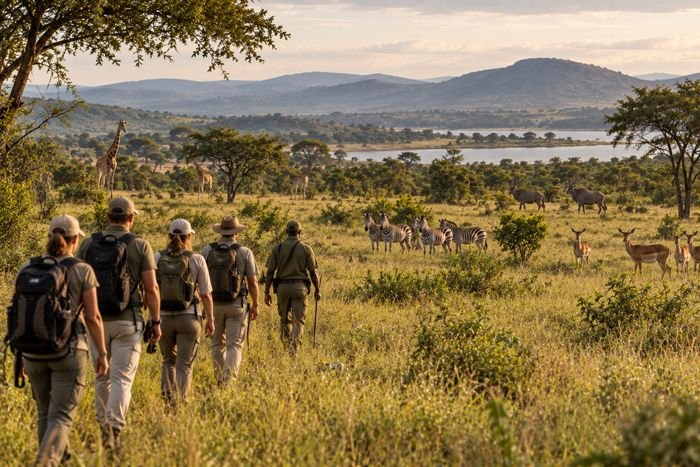
You are not alone — even when traveling solo. Africa’s safaris are designed around groups, guides, lodges, and vehicles — so even a solo safari is usually a shared experience with support.
Whether in a game vehicle with a guide or at a lodge with staff on site, you’re not trekking in the wild by yourself — you’re part of a managed safari experience.
Guided Safaris vs. Self‑Drive: Which Is Safer?
Guided Safaris
These are often the safest option for solo women because:
✔ Guides are experienced in wildlife behavior and trained in safety protocols.
✔ Vehicles are equipped for emergencies and communication.
✔ You travel with other safari guests.
✔ Local knowledge minimizes risky decisions.
Many safari lodges and companies even offer solo‑traveler rates or reduced single supplements.
Self‑Drive Safaris
Self‑drive can be safe — but it requires more preparation:
✔ Know park rules and routes.
✔ Use reputable 4×4 rental companies.
✔ Plan fuel and mobile coverage carefully.
✔ Avoid night driving.
If you’re new to Africa or safari driving, consider mixing self‑drive with guided options or using local support.
Key Safety Tips for Women on Solo Safari
1. Choose Reputable Operators
Book with established safari companies, lodges, or tour operators. They provide guides, vehicles, communication equipment, and safety briefings — everything you need to travel with confidence.
2. Stay Aware of Your Surroundings
Standard travel judgment applies:
- Keep valuables secure
- Don’t walk alone at night in cities
- Maintain awareness in public spaces
In parks, stay inside vehicles unless guided to a safe foot path.
3. Follow Park Rules Strictly
National parks have rules for a reason:
- Stay in permitted areas
- Don’t leave your vehicle near wildlife
- Respect game drive timings
Breaking rules is more dangerous than locals will always stress.
4. Understand Wildlife Behavior
Wild animals are not pets. Never approach, feed, or provoke an animal. Your guide’s expertise protects you from unpredictable behavior.
5. Prepare for Health & Local Conditions
- Vaccinations up to date
- Malaria prevention where recommended
- Water safety
- Travel insurance with medical evacuation
Health risks are real anywhere in the world — preparation is your best defense.
6. Communicate Your Itinerary
Share your plans with someone at home and local contacts (lodges or guides). Check in regularly when you can.
Cultural Respect and Gender Norms
In many African regions, hospitality and respect for guests — especially women — are strong values. Still, cultural norms differ:
- Dress modestly in towns and villages if not at a lodge or safari setting
- Be courteous, friendly, and direct
- Ask for consent before taking photos of individuals
These small steps make travel smoother and avoid misunderstandings.
Solo Female Travel, Safety, and Common Fears
“Will someone try to harass me?”
Solo travelers of all genders can experience unwanted attention anywhere — but safari lodges and national parks are generally safe, structured environments with staff and guides present.
“What about crime?”
Urban centers may have petty crime — stay vigilant, use hotel safes, and avoid isolated areas at night. In safari areas and parks, wildlife is a more immediate concern than human threats, and staff are there to help.
“Is illness a risk?”
Anywhere with wildlife and remote areas, illness risk (like malaria) exists. Speak with a travel doctor before departure, use prophylaxis if recommended, and carry basic medicine.
Real‑World Examples of Solo Female Safari Success
Countless women have published travel blogs, shared photos, and returned from Africa with confidence and life‑changing experiences. Whether on guided safaris or self‑organized trips, their consistent advice echoes the same theme:
“Preparation and mindset make the difference.”
“Respect rules, respect wildlife, and you’ll be just fine.”
These aren’t isolated stories — they’re the norm for hundreds of solo women travelers each season.
Conclusion
Is solo safari safe for women? Absolutely — with smart planning, respect for local rules and wildlife, and sensible travel habits, women can and do travel safely — and often more confidently than they expected.
A safari isn’t just a trip through wild lands — it’s a journey through culture, nature, independence, and connection. Africa welcomes solo women travelers with open skies, remarkable wildlife, and experiences that stay with you long after you return home.
Your adventure can be bold, safe, and deeply rewarding — and a solo safari might just be the journey of a lifetime.
FAQs
Yes — in safari areas managed by lodges and guides, safety is high when basic precautions are followed.
Guided tours are recommended for first‑time solo travelers, but self‑drive with preparation is also possible.
Generally, no — guides and staff treat all guests with respect. Cultural norms outside lodges may vary; dressing modestly and polite conduct help.
In many safari destinations, yes. Consult a travel doctor and use recommended prevention.
Yes, with usual travel safety practices — avoid isolated areas at night and keep valuables secure.
Yes — share with family or friends and lodge contacts.
Wildlife behavior is unpredictable; always follow your guide’s instructions and park rules.
Many lodges offer reasonable single rates or shared rooms for solo travelers.