Security & Health Tips for Your Safari
Yes — Samburu National Reserve is generally safe for tourists who travel with reputable safari operators and follow standard precautions. Located in northern Kenya, Samburu offers a tranquil wilderness setting with extraordinary wildlife and a warm local culture. Like any remote destination, it requires thoughtful planning, especially regarding health, logistics, and situational awareness.
Wildlife Safety in Samburu
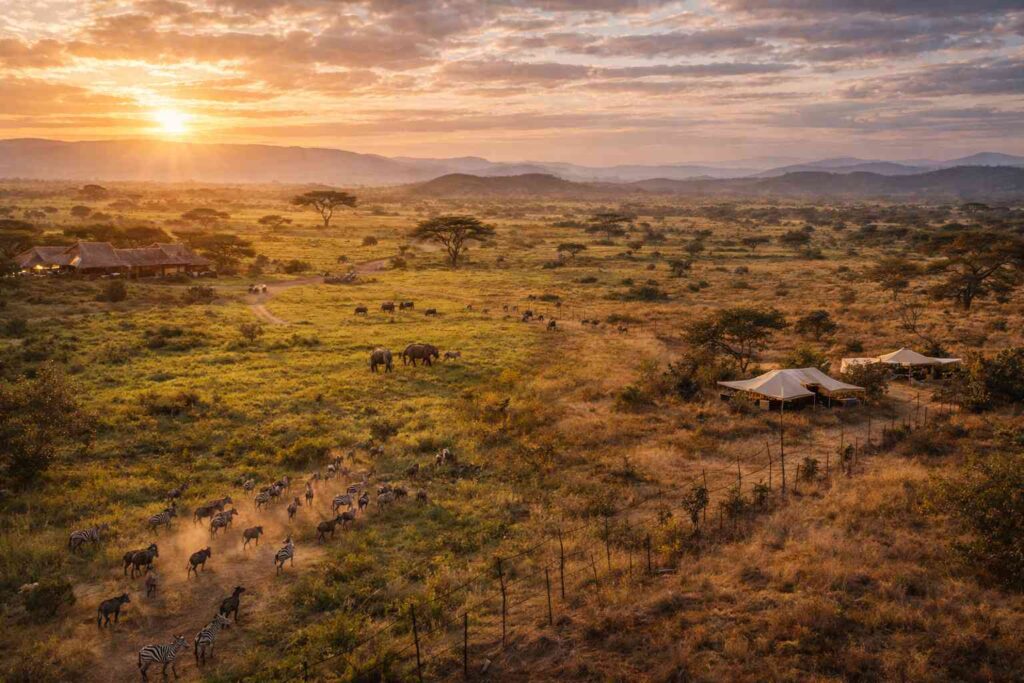
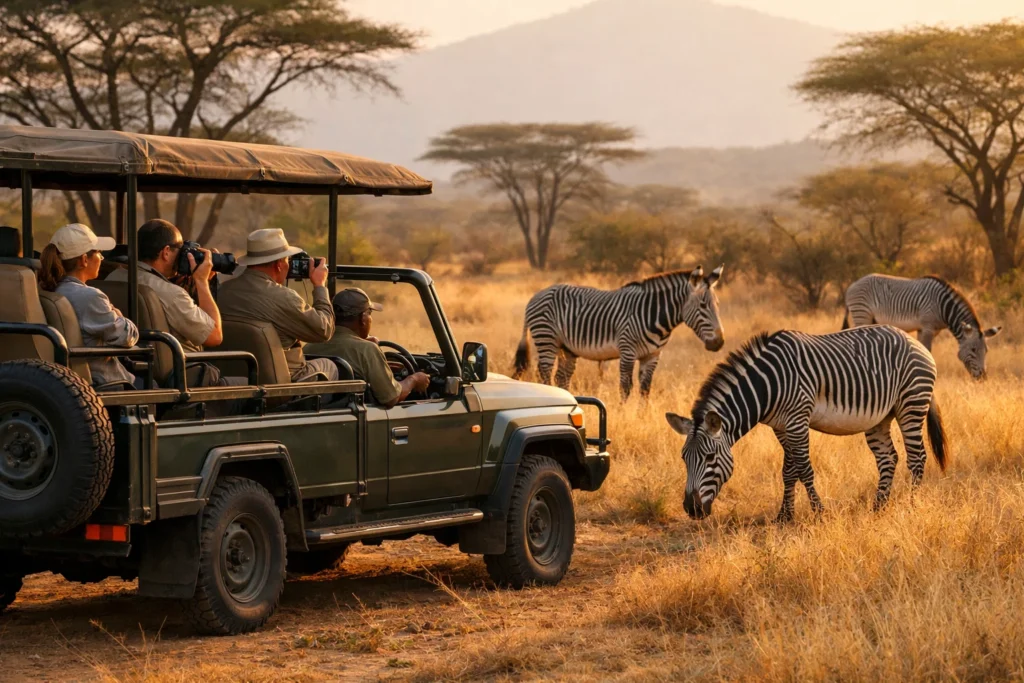
Wildlife encounters are a highlight of any safari, and in Samburu, animals like elephants, lions, leopards, and the Samburu Special Five (e.g., Grevy’s zebra, gerenuk) roam freely. To stay safe:
- Always stay in your safari vehicle unless instructed otherwise by your guide.
- Do not feed or approach animals.
- Follow your guide’s instructions — they understand animal behavior and keep you at a safe distance.
Samburu is patrolled by professional rangers and has a strong reputation for visitor safety inside the reserve.
Regional Security: Understanding the Context
While northern Kenya has had isolated security concerns in the past, Samburu itself remains a stable and tourist-friendly area. Most incidents occur far from safari circuits. To enhance your safety:
- Travel with licensed operators familiar with the region.
- Avoid self-driving, especially at night.
- Keep your travel plans flexible and stay updated on official travel advisories.
Local lodges and camps offer 24/7 security, and staff are trained in both guest safety and emergency response.
Health Precautions for Samburu Visitors
Malaria & Insect Protection
- Samburu is a malaria-risk area, especially in and after the rainy season.
- Take prescribed antimalarial medication.
- Use insect repellent and wear long-sleeved clothing during dusk and dawn.
Recommended Vaccinations
Consult your travel clinic before departure. Commonly advised vaccines include:
- Yellow Fever (required if arriving from a country with risk of transmission)
- Typhoid, Hepatitis A and B
- Tetanus and routine immunizations
Medical Access & Travel Insurance
- Medical facilities in the reserve are limited; carry a comprehensive travel insurance policy that covers medical evacuation.
- Pack a basic travel health kit including rehydration salts, antiseptic, and any personal medication.
Road Safety and Getting There
Most travelers reach Samburu via:
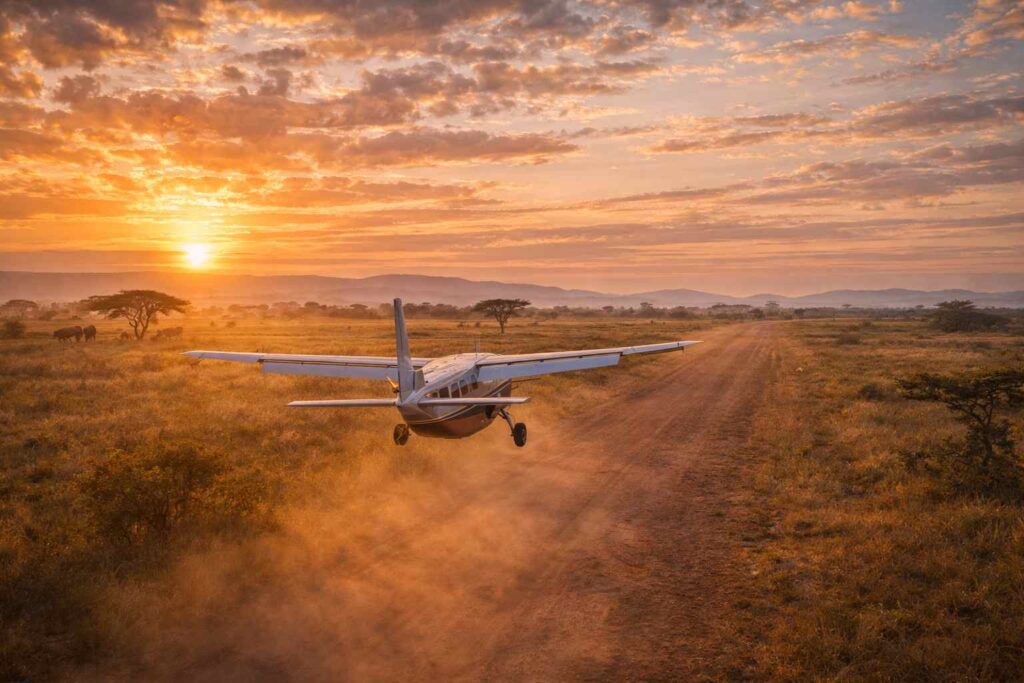
- Scheduled flights to local airstrips (safe and efficient)
- Private road transfers from Nairobi (approximately 6–7 hours)
Tips for road safety:
- Avoid traveling by road after dark.
- Ensure your vehicle is well-maintained and has radio or phone contact.
- Use only trusted transfer companies recommended by lodges or tour operators.
Cultural Etiquette & Local Awareness
Samburu communities are welcoming and proud of their heritage. Show respect by:
- Asking permission before taking photos of people.
- Dressing modestly when visiting villages.
- Learning a few local phrases or customs to foster goodwill.
General Safety Tips for Samburu Travelers
- Stay hydrated in the arid environment.
- Secure valuables in camp/lodge safes.
- Avoid displaying expensive gear in public.
- Use filtered or bottled water.
- Follow camp guidelines on moving after dark (escorted walks only).
Conclusion
Samburu National Reserve is a safe and rewarding safari destination when approached with preparation and respect for local guidelines. Its remoteness is part of its charm, and the experience of seeing rare wildlife in such a dramatic landscape is worth the effort. Stick with professional operators, take basic health precautions, and follow common sense — and Samburu will welcome you with its unforgettable wilderness.
For a deeper dive into trip planning and experiences in northern Kenya, browse our other safari guides.
Frequently Asked Questions
Yes, especially when traveling with a guided group or reputable lodge. Solo safaris are common.
Only if you’re arriving from a country with Yellow Fever risk.
Most camps require you to be escorted after dark due to nearby wildlife.
Yes, but they are most active in and after the rainy season. Always use repellent.
Most lodges offer limited Wi-Fi. Expect slower speeds and limited coverage.
It’s best to stick with bottled or filtered water.