Zambia is home to two of Africa’s most enchanting safari destinations: South Luangwa National Park and Lower Zambezi National Park. While both deliver unforgettable wildlife experiences, they offer distinctly different safari styles. Here’s a detailed comparison to help you choose—or combine—them on your next adventure.
South Luangwa National Park: A Walking Safari Paradise
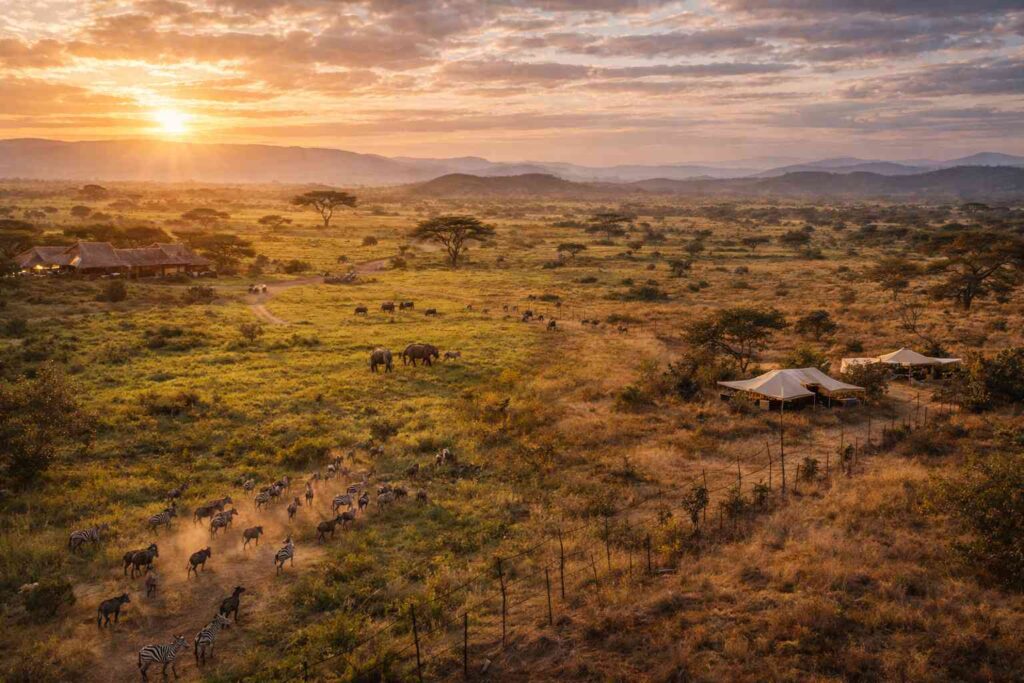
Located in eastern Zambia, South Luangwa is considered the birthplace of the walking safari. The Luangwa River and its oxbow lagoons are magnets for wildlife, especially during the dry season.
Highlights:
- Excellent leopard sightings
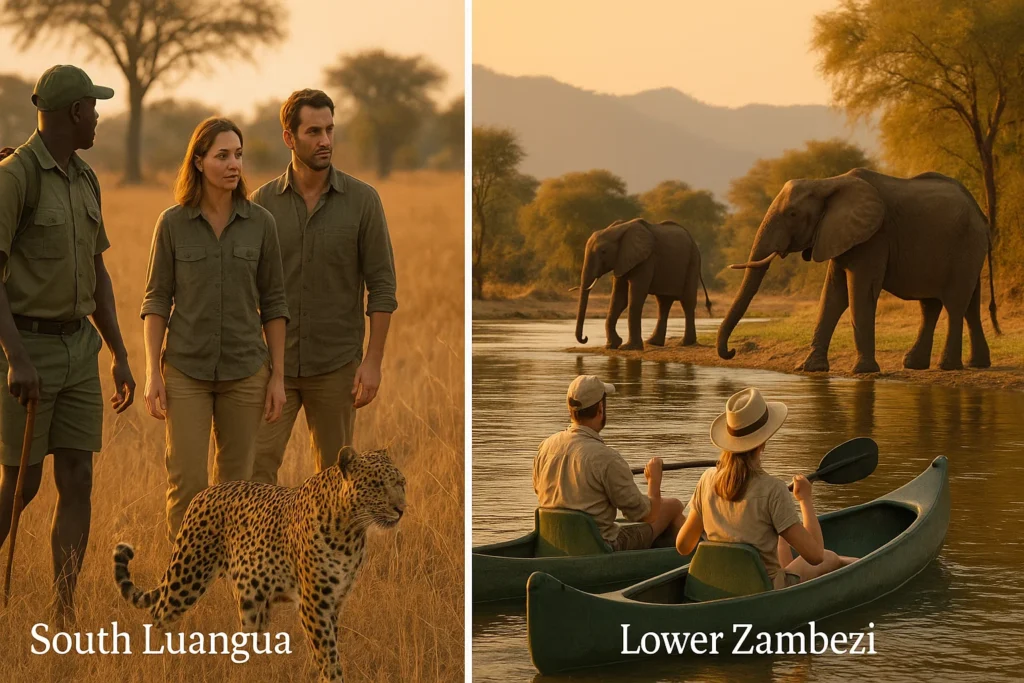
- Signature walking safaris led by expert guides
- Night drives permitted (rare in many parks)
- Thornicroft’s giraffe and Crawshay’s zebra (endemic species)
- Easy access via Mfuwe Airport
Best for: Photographers, first-time safari-goers, and travelers who want a classic land-based safari with high game density.
Lower Zambezi National Park: Safari by Water & Wilderness
Bordering the mighty Zambezi River, Lower Zambezi offers a mix of land and water-based activities. It’s more remote than South Luangwa, with fewer camps and a greater sense of exclusivity.
Highlights:
- Canoe safaris and boat cruises on the Zambezi
- Excellent elephant and buffalo sightings
- Fishing and island picnics
- Dramatic escarpment scenery
- More off-the-grid, wilderness feel
Best for: Adventure seekers, return safari guests, and those looking for a peaceful, water-rich environment with fewer vehicles.
Head-to-Head Comparison
| Feature | South Luangwa | Lower Zambezi |
|---|---|---|
| Wildlife Density | High, especially predators | Strong, especially elephants & hippos |
| Safari Style | Walking safaris, night drives | Canoe, boat, walking, and game drives |
| Scenery | Riverine woodland, open plains | River channels, escarpments, islands |
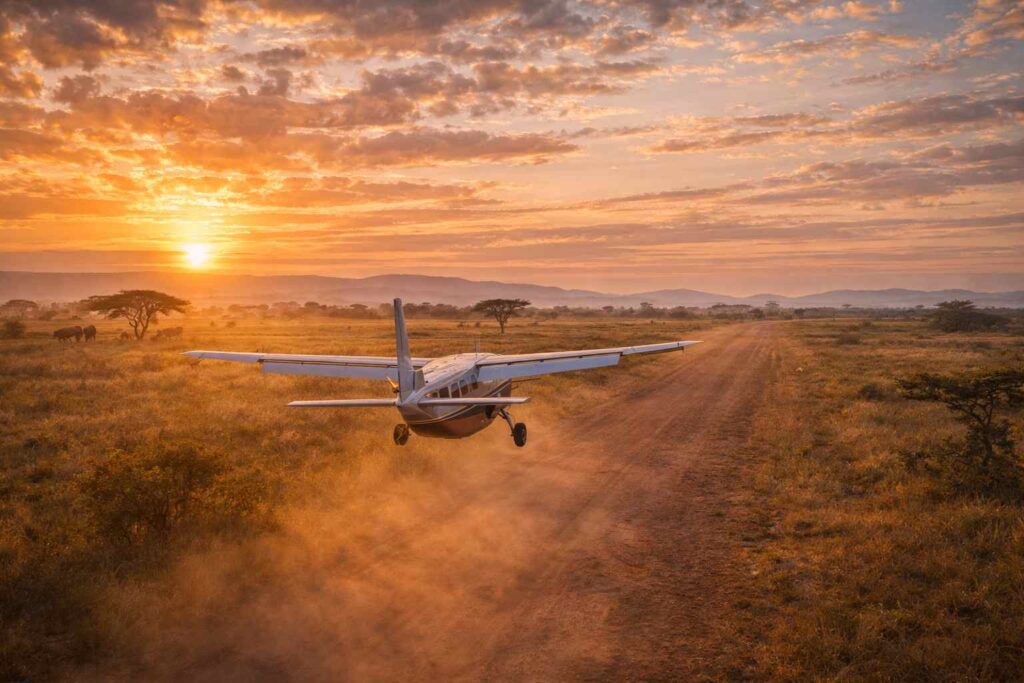
| Accessibility | Fly to Mfuwe, well connected | Fly-in only, remote and exclusive |
| Crowd Levels | Moderate (more camps) | Low (fewer, more spread-out lodges) |
| Unique Experiences | Night drives, endemic species | Canoeing, river-based safaris |
Which Park Should You Choose?
Choose South Luangwa if you:
- Want to experience the thrill of walking safaris.
- Prefer easier logistics and access.
- Are focused on predator sightings and photographic drives.
- Travel in the dry season and want high wildlife visibility.
Choose Lower Zambezi if you:
- Love the idea of water-based safaris.
- Prefer a quieter, more remote safari experience.
- Are interested in activities like canoeing or catch-and-release fishing.
- Want stunning landscapes and fewer vehicles.
Why Not Both?
If your itinerary allows, combining both parks offers the perfect balance. Begin with South Luangwa for land-based and walking safaris, then head to Lower Zambezi for canoeing and riverside relaxation. Many tour operators offer seamless packages that include both destinations.
When to Visit
- Dry season (July to October): Ideal for both parks. Animals congregate near water, and game viewing is exceptional.
- Green season (November to March): Lush and beautiful, great for birding but less reliable for predator sightings. Some camps may close due to rains.
Conclusion
South Luangwa and Lower Zambezi each bring something unique to the safari table. Whether you’re drawn to the up-close thrill of walking through the bush or the serenity of gliding past hippos in a canoe, Zambia delivers. Whichever park you choose—or if you opt for both—you’ll be rewarded with wild beauty, rich wildlife, and unforgettable memories.
FAQs
Yes. Many safaris offer 8- to 12-day itineraries that include both parks, with bush flights connecting them.
Lower Zambezi may be more relaxed for younger kids due to boat safaris and lodge-based wildlife watching. Walking safaris in South Luangwa typically have age limits.
Not all camps are. Most operate from April to November. Green season safaris (Dec–Mar) are limited but possible.
South Luangwa features endemic Thornicroft’s giraffe and Crawshay’s zebra. Lower Zambezi is known for large elephant herds and excellent birding along the river.
Costs are similar, but Lower Zambezi tends to be slightly more expensive due to its remote access and exclusive lodges.