South Africa’s safari landscape is evolving rapidly. While Kruger National Park and the surrounding Sabi Sands have long been the heart of Big Five safaris, new private reserves are expanding the map. One of the most exciting developments is Sandringham Private Game Reserve (SPGR), a frontier conservation project adjacent to Kruger. This article explores how new reserves like Sandringham are reshaping the safari experience and how travelers can now design combined routes that blend classic and emerging destinations.
The classic stronghold: Kruger and the Greater Kruger reserves
Kruger National Park has defined the safari experience in South Africa for decades. Its adjoining private reserves—such as Sabi Sands, Timbavati, and Manyeleti—offer luxury lodges, exceptional guiding, and guaranteed Big Five sightings. But as demand grows and travelers seek fresh experiences, South Africa’s private sector is investing in expanding the safari map.
The rise of Sandringham: from hunting land to protected wilderness
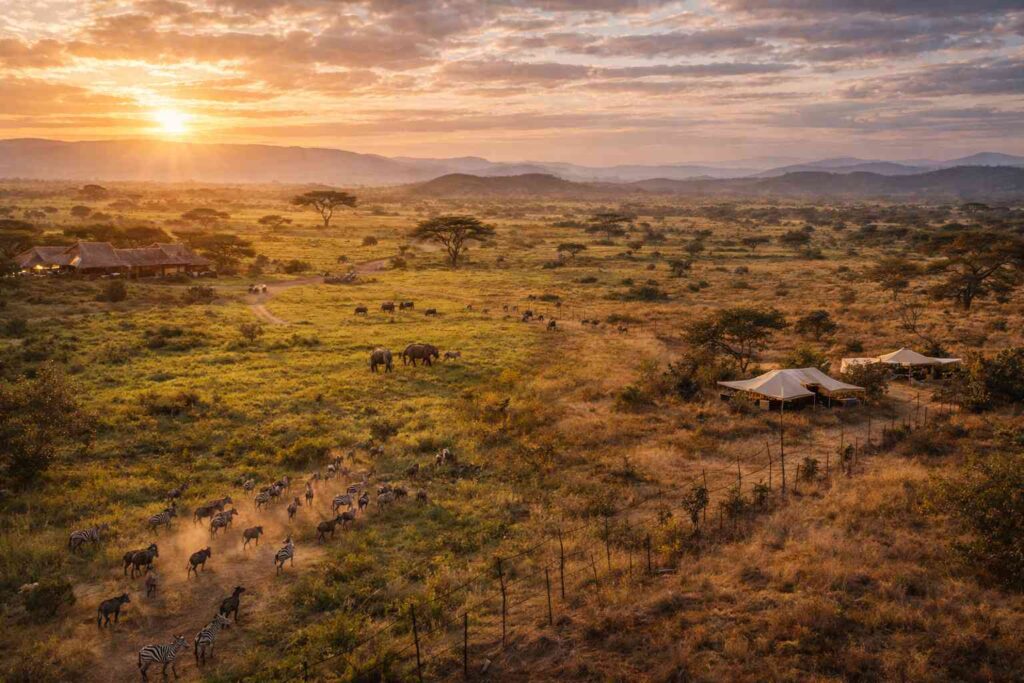
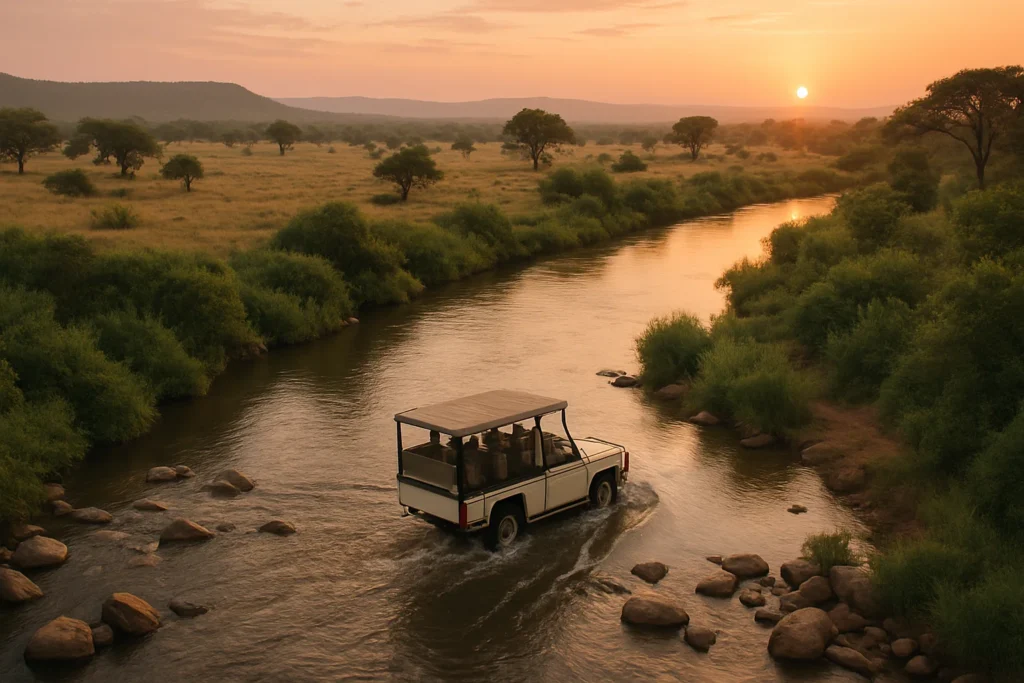
Sandringham Private Game Reserve is a striking case of transformation. Located in Limpopo Province on a landscape shaped by four rivers, including the Timbavati River, this 4,500-hectare reserve is being rehabilitated under the stewardship of the Sabi Sabi Collection.
Key features include:
- Removal of fences to open corridors into Greater Kruger
- Restoration of degraded ecosystems
- Wildlife reintroduction and quiet phase for animal habituation
- Development of two luxury lodges—N’Weti and Shisaka—set to open in 2026
This shift marks a broader movement where conservation, not just tourism, drives reserve development.
A new safari logic: from destination to route
Instead of choosing just one iconic reserve, today’s traveler can design multi-stop journeys combining mature reserves with newer, less-explored ones. This approach offers greater depth, contrasts in experience, and the chance to support emerging conservation landscapes.
Sample route: Classic + Frontier
Days 1–3: Sabi Sands – dense wildlife, expert guiding, established luxury
Days 4–6: Sandringham – exclusive game drives, fewer vehicles, conservation in action
Optional extension: Cape Town or another frontier reserve like Marataba or Madikwe
Why combine reserves?
- Wildlife diversity: Experience animals in both mature and regenerating ecosystems
- Exclusivity: Fewer guests and vehicles in newer reserves
- Meaningful travel: Your stay contributes to habitat restoration and community development
- Story-rich journey: From iconic to emerging, every stop adds a chapter to your safari narrative
The big picture: South Africa’s expanding safari canvas
South Africa has over 9,000 private game properties, and this network is growing. Conservation-minded tourism is enabling:
- Rewilding projects on former farmlands and hunting blocks
- Economic upliftment through eco-tourism jobs and skills training
- Corridor connectivity between Kruger and peripheral lands
Sandringham’s launch under the Sabi Sabi banner reflects this evolution. It also mirrors a wider trend: the redefinition of luxury—from sheer comfort to experiences with purpose and impact.
What to expect in frontier reserves like Sandringham
- Fewer tourists and vehicles
- More exploratory game drives (vs. high-density sightings)
- Emphasis on storytelling, conservation, and sustainability
- Luxurious yet immersive lodge design
While infrastructure may still be maturing, the payoff is a deeper, more exclusive experience—especially appealing to seasoned safari-goers.
Practical planning tips
Best time to go: Dry season (May–September) offers best wildlife viewing
Getting there: Hoedspruit or Kruger Mpumalanga International Airport with lodge transfers
Packing essentials: Binoculars, neutral clothing, insect repellent, camera, layers for morning drives
Booking strategy: Reserve early for frontier lodges, especially around opening dates
Who this is ideal for
- Repeat safari travelers looking for something new
- Conservation-driven tourists
- Photographers and storytellers
- Couples or families seeking private, quiet experiences
Conclusion
The safari map of South Africa is expanding—not just geographically but conceptually. With new reserves like Sandringham entering the scene, travelers now have the opportunity to blend the best of both worlds: the tried-and-true excellence of Kruger and the pioneering spirit of emerging wilderness. If you’re looking to elevate your next safari with meaning, variety, and exclusivity, consider plotting a route that starts in Kruger—and leads to the future.
Explore more travel planning tips, lodge insights, and itinerary ideas at WhySafari.com.
Frequently Asked Questions
It’s expected to welcome guests from 2026 with two new lodges under the Sabi Sabi Collection.
Yes. Many safari itineraries are starting to integrate classic reserves with frontier ones like Sandringham.
The Big Five are present, and wildlife sightings will improve as the ecosystem regenerates.
Not necessarily, though early-stage luxury lodges may offer launch pricing or premium exclusivity.
Yes—fewer vehicles, rawer terrain, and the feeling of pioneering wilderness.
Through land restoration, anti-poaching, and community employment programs.
Yes, if paired with a mature reserve to balance experience levels and wildlife expectations.
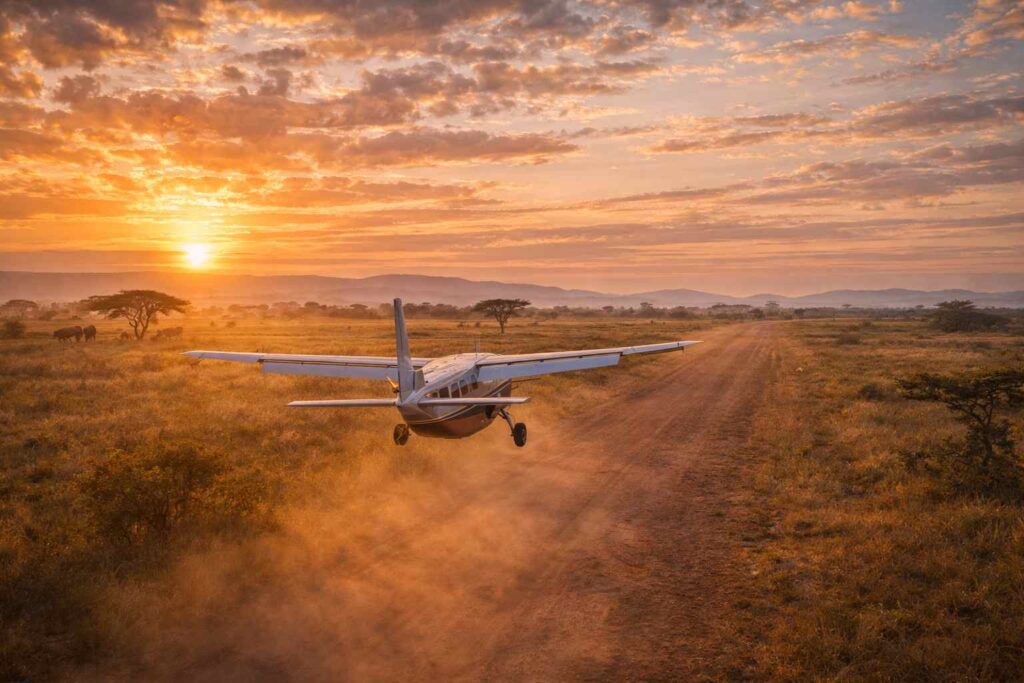
Transfers are typically arranged by lodges or via charter flights—plan for 1–2 hours of travel.
Yes. Lodges are being designed with premium standards in mind, guided by Sabi Sabi’s expertise.
Definitely. Frontier lodges have limited rooms and high interest around opening dates.