Tucked away in the remote north of Kenya lies Samburu National Reserve — a safari destination that many overlook in favor of the more famous parks. Yet Samburu offers an authentic, rugged, and rewarding wildlife experience. It’s a place of arid plains, palm-lined rivers, and rare species, where you can track herds of elephants, discover unique animals adapted to the dry environment, and engage with a strong and colorful pastoral culture.
This guide explores why Samburu National Reserve deserves a spot on your safari itinerary, with insights into its wildlife, landscape, cultural experiences, and travel logistics.
Location & Geography
Samburu National Reserve is located in northern Kenya’s Samburu County, bordered by the Ewaso Ng’iro River. The terrain varies from 800 to 1,230 meters above sea level and features semi-arid scrubland, acacia woodland, doum palm groves, and dramatic rocky outcrops.
Unlike the lush savannahs of southern Kenya, Samburu’s dry landscape is more rugged and remote. The Ewaso Ng’iro River acts as a vital water source for wildlife, creating a green ribbon of life through the otherwise dry region.
Unique Wildlife: The Samburu Special Five
Samburu is famous for its “Samburu Special Five,” a group of rare and dry-country species that you won’t find in most other Kenyan parks:
- Grevy’s zebra: Larger than the common zebra, with narrow stripes.
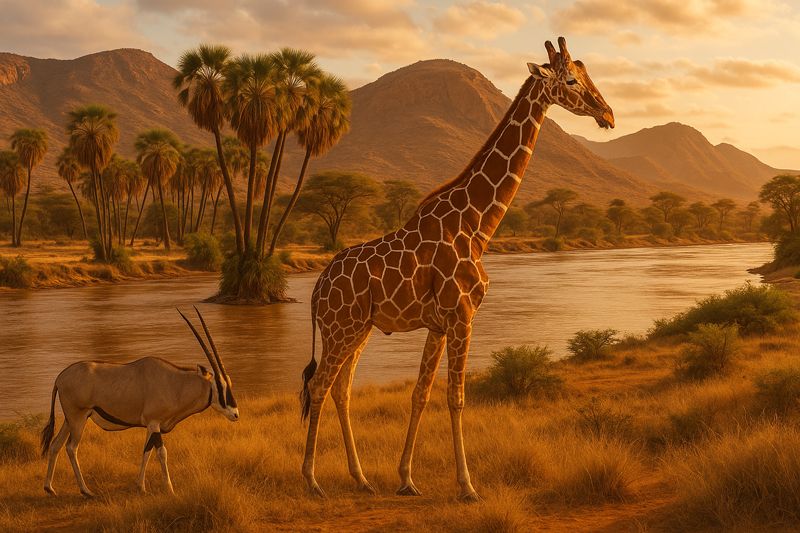
- Reticulated giraffe: Known for its distinct geometric patterns.
- Somali ostrich: Blue-legged and adapted to arid habitats.
- Beisa oryx: A striking antelope with long, straight horns.
- Gerenuk: A long-necked antelope that stands on its hind legs to feed.
In addition to the Special Five, Samburu is home to elephants, lions, leopards, cheetahs, crocodiles, hippos, and over 350 bird species. Leopard sightings along the river are particularly impressive.
Why Visit Samburu National Reserve?
- Fewer crowds: Samburu sees fewer tourists than the Maasai Mara or Amboseli, offering a more intimate safari.
- Unique ecosystem: The semi-desert terrain and riverine forest create contrasting habitats.
- Cultural connection: The Samburu people, related to the Maasai, maintain a rich pastoralist culture that visitors can respectfully explore.
- Excellent photography: The combination of rare wildlife, red-dust landscapes, and golden light makes this a favorite for photographers.
- Wild yet accessible: Despite its remote feel, Samburu is reachable via road or domestic flights.
Best Time to Visit
The dry seasons from June to September and January to February are ideal for game viewing, as animals congregate near the river and vegetation is sparse. Birdwatchers may prefer the wetter months of November to April, when migratory birds are present and the bush turns lush.
Expect warm to hot daytime temperatures and cooler mornings and evenings. Roads may be challenging during the rainy season, especially from March to May.
Top Activities in Samburu
Game Drives
Morning and late afternoon drives provide the best opportunities to spot wildlife, especially along the riverbanks where animals come to drink. Samburu’s sparse vegetation makes wildlife easier to spot compared to denser parks.
Cultural Visits
A visit to a traditional Samburu village offers a chance to learn about the community’s way of life, from herding practices to traditional clothing and dances. These tours are best done through ethical operators who support local communities.
Birdwatching
With over 350 bird species recorded, Samburu is a paradise for bird lovers. Look for species like the vulturine guineafowl, secretary bird, and tawny eagle.
Nature Walks
Some camps and conservancies offer guided nature walks, where you can track animals on foot and learn about the region’s ecology and traditional uses of plants.
Accommodation Options
Samburu offers a range of accommodation:
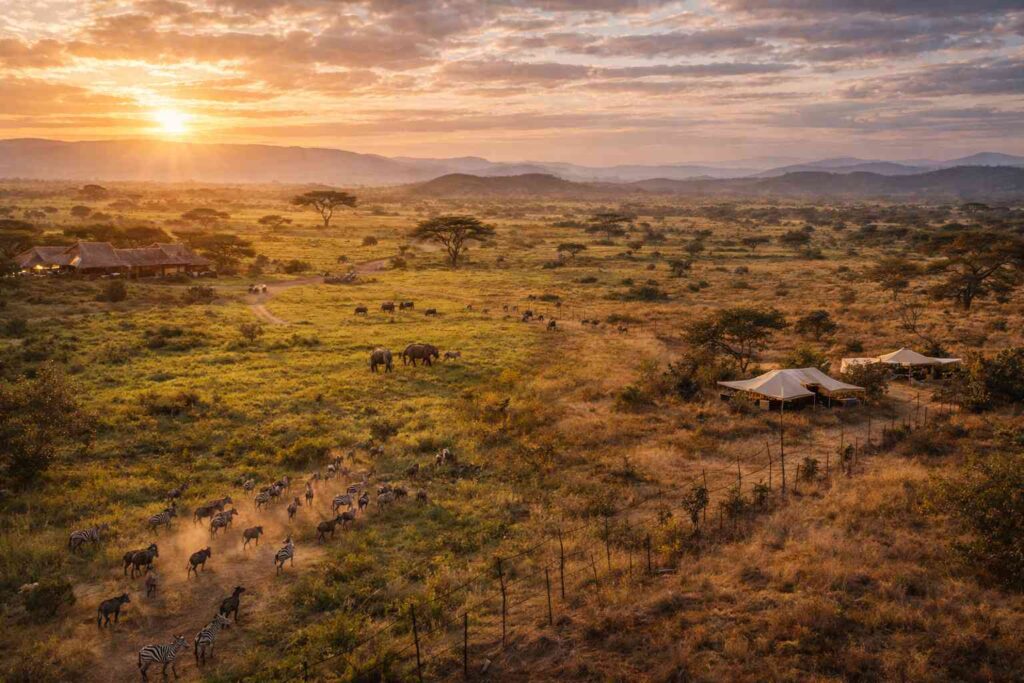
- Luxury camps: Tented lodges along the river offer upscale comfort and stunning views.
- Mid-range lodges: These provide excellent value, often with eco-conscious designs and community partnerships.
- Budget-friendly options: Though fewer, some affordable lodges exist near the reserve.
Many lodges incorporate Samburu cultural elements and involve local communities in operations.
Getting There
- By road: About 6 hours from Nairobi, depending on road conditions.
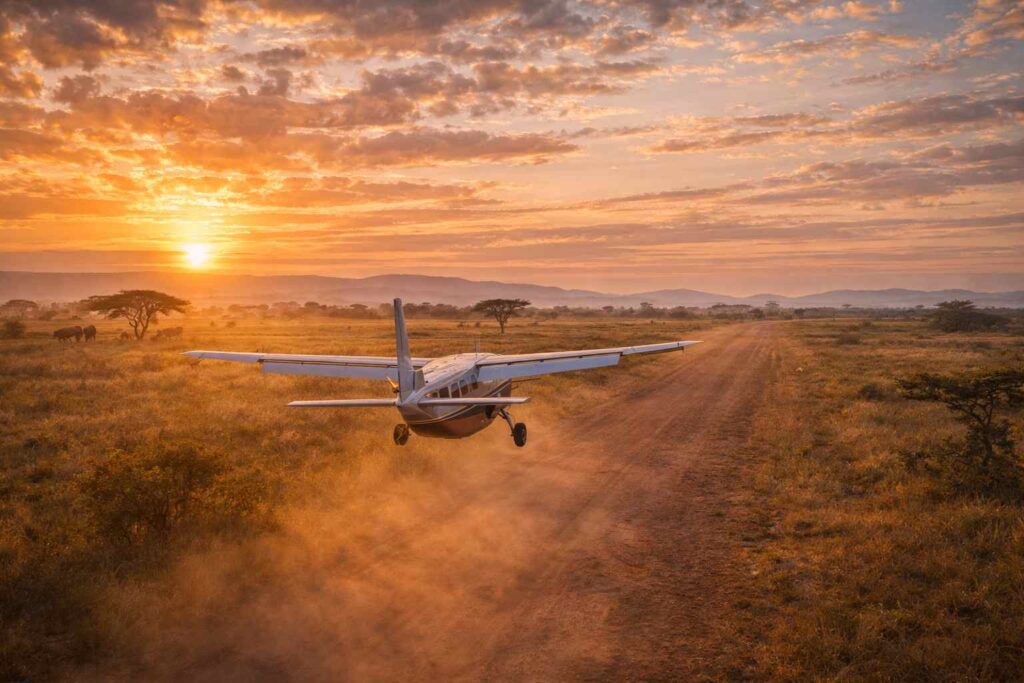
- By air: Daily scheduled or charter flights are available from Nairobi’s Wilson Airport to Samburu’s airstrips like Kalama or Buffalo Springs.
A 4WD vehicle is essential, especially during the rainy season. Most travelers book Samburu as part of a northern Kenya circuit, possibly including Buffalo Springs, Shaba, or Laikipia.
Responsible Travel & Conservation
Tourism plays a vital role in conservation and local livelihoods. Samburu is part of Kenya’s broader community conservancy model, where local people benefit from protecting wildlife.
When choosing accommodations and operators, look for those that support conservation, use eco-friendly practices, and involve the Samburu community in decision-making and employment.
Suggested 3-Day Safari Itinerary
Day 1: Arrival and check-in at your lodge. Afternoon game drive along the Ewaso Ng’iro River. Sunset by the water.
Day 2: Morning drive to spot the Samburu Special Five. Visit a Samburu village in the afternoon. Evening sundowner and dinner under the stars.
Day 3: Optional nature walk or final game drive. Depart mid-morning for your next destination or return to Nairobi.
Conclusion
Samburu National Reserve offers a safari experience that feels both adventurous and deeply authentic. Its rare wildlife, intimate atmosphere, and strong cultural presence make it an ideal destination for travelers looking to go off the beaten track in Kenya. For more safari inspiration and planning tips, explore our other guides on WhySafari.com.
Frequently Asked Questions (FAQs)
Yes, Samburu is generally safe. Stick to guided tours and follow advice from local experts and your lodge.
A 2-3 night stay is ideal to explore the reserve and enjoy both game drives and cultural activities.
No. Bring cash and essentials with you, as Samburu is remote with limited infrastructure.
Yes. Many lodges welcome families and offer child-friendly safaris. The wildlife is exciting and educational.
Most travelers require an eVisa to enter Kenya. Check your local embassy’s requirements in advance.
A DSLR or mirrorless camera with a telephoto lens (200mm+) is recommended for wildlife photography.
Guided safaris are safer and more informative. Self-drives are possible but require strong planning and 4WD experience.
They speak the Samburu dialect, related to Maa (spoken by Maasai), along with Swahili and some English.
Yes. Samburu combines well with Buffalo Springs, Shaba, Laikipia, or even the Masai Mara for a broader safari circuit.
It depends on your interests. Samburu offers rare wildlife, cultural depth, and solitude, while Masai Mara boasts high densities and dramatic migrations.