When you think of a safari in Kruger, your mind likely conjures golden grass, dusty roads, and dramatic late-afternoon light. But visiting during Kruger’s wet season (roughly November to April) offers a different kind of magic — one of lush landscapes, newborn life, dramatic skies, and photographic vibrancy.
What the Wet Season Brings
Lush, Revitalized Landscapes
Rain transforms the dry bushveld into a vibrant green wonderland. Rivers swell, pans refill, and waterholes teem with activity. The scenery becomes photogenic and dramatic, especially under stormy skies.
Wildlife Births & Predator Drama
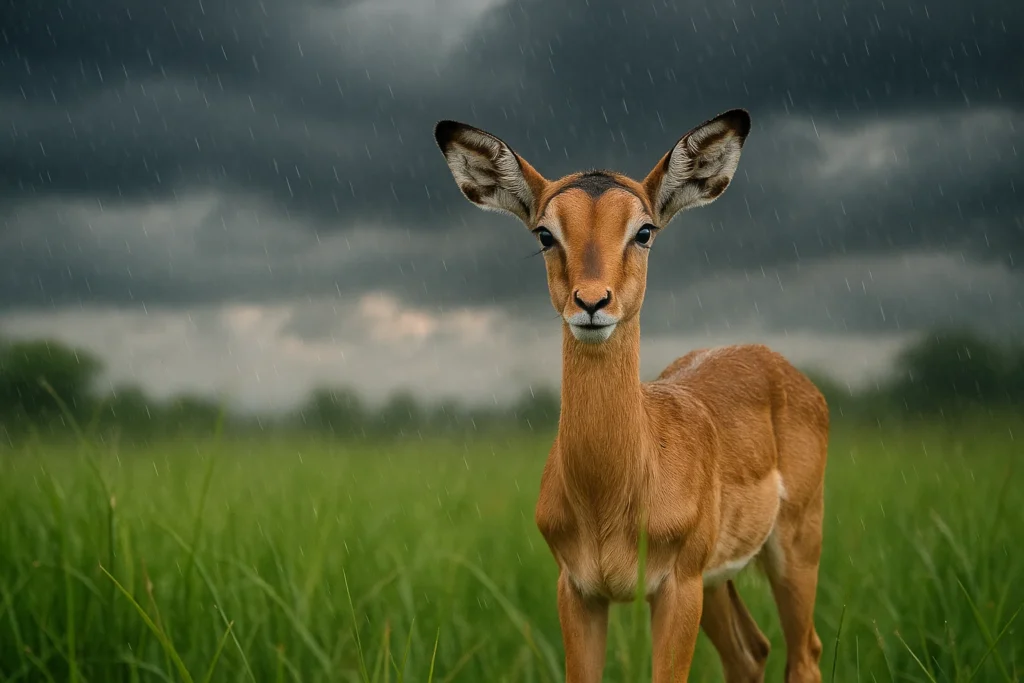
The rains trigger a baby boom. Antelope give birth en masse, and predators follow. The sight of wobbly-legged impala fawns or lion cubs playing in the grass is common, adding life and energy to every drive.
A Birder’s Paradise
The wet season marks the arrival of migratory birds and increased breeding activity. Expect brilliant plumage, active nests, and vocal displays. Birdwatchers will find this the most rewarding time to visit.
Stunning Skies & Soft Light
Rainy-season skies are layered with cloud, sunbursts, and the occasional lightning show. The filtered light is ideal for photography, while puddles and reflections add texture to landscapes.
Fewer Tourists, Better Prices
This is Kruger’s off-peak. Lodges often offer discounts, and there are fewer vehicles on game drives. The experience feels more private and unhurried.
Things to Keep in Mind
- Thick vegetation can make animals harder to spot.
- Rain can affect roads, especially gravel and 4×4-only trails.
- Malaria risk is slightly higher in summer — take precautions.
- Wildlife is more spread out, requiring expert guiding and patience.
Tips for Enjoying Kruger in the Rain
- Stay longer to increase your chances of great sightings.
- Pack waterproof gear and quick-dry clothing.
- Bring binoculars for birding and spotting in thicker bush.
- Use experienced guides to navigate seasonal challenges.
- Embrace the small stuff: frogs, insects, flowers, and birds are stars in this season.
Conclusion
Visiting Kruger in the wet season flips the script. Instead of drought and dust, you get drama and growth. It’s a time of renewal, color, and life — and those who come with curiosity rather than fixed expectations are richly rewarded.
Don’t let the rain deter you. Let it invite you into a deeper rhythm of the bush.
FAQs
From November to April, with the heaviest rains in January and February.
Yes, especially with a good guide. You’ll see newborns, birds, and dramatic predator-prey interactions.
Usually not. Showers are often brief and occur in the afternoons or evenings.
Main roads stay open, but some back roads and trails may be closed due to flooding.
Most lodges operate year-round and may offer wet-season specials.