South Luangwa National Park in Zambia is one of Africa’s most iconic safari destinations. It’s renowned for abundant wildlife, dramatic predator–prey interactions, and dynamic seasonal changes that shape animal movements throughout the year. Understanding these patterns can help you plan the right time to visit depending on the species you want to see, the type of safari experience you seek, and even the style of photography you’re after.
In this guide, we’ll take you month-by-month through the seasonal rhythms of South Luangwa, highlighting where the wildlife congregates, what natural spectacles you won’t want to miss, and the pros and cons of visiting during each period.
Understanding South Luangwa’s Seasons
South Luangwa’s climate and wildlife movements are dominated by two main seasons: the dry season and the green (wet) season. These influence water availability, vegetation cover, and animal behavior.
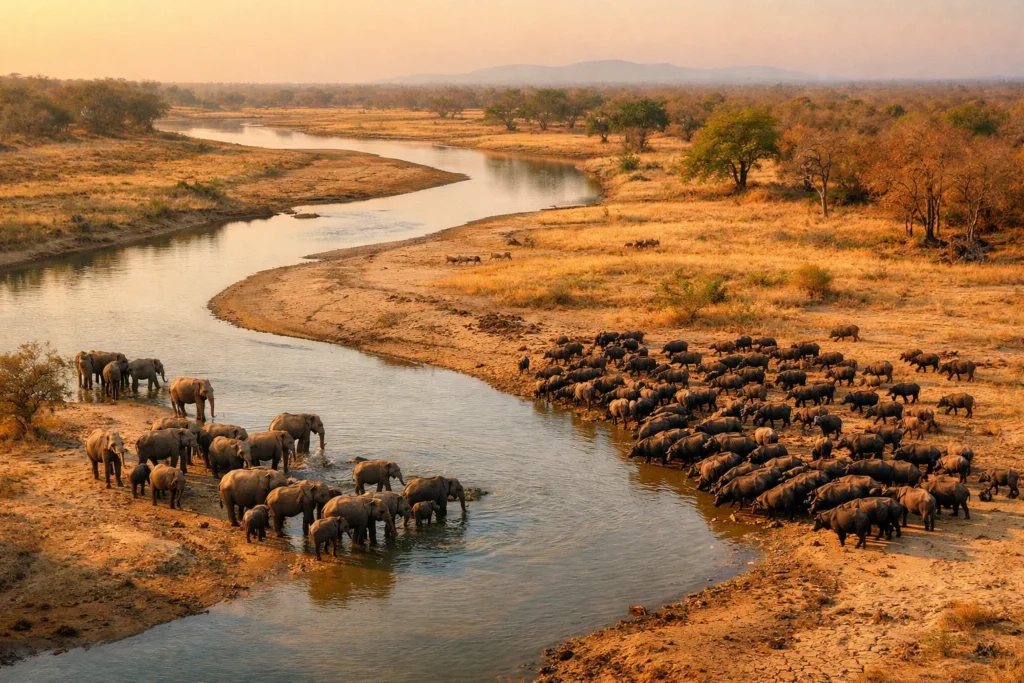
- Dry season (May to October): Characterized by little to no rain, falling temperatures, and shrinking water sources. This concentrates wildlife near permanent water bodies like the Luangwa River and oxbow lagoons. Game viewing is typically excellent.
- Green season (November to April): Rainfall becomes more frequent, temperatures rise, and the landscape transforms into lush greenery. Newborn animals and migrant birds appear. Wildlife disperses across the landscape, which can make viewing more challenging but offers rich photographic and cultural rewards.
January – February: Wet Season Renewal
What’s Happening
January and February are deep in the green season. Short, intense storms frequently refresh the ecosystem, turning the plains into dense vegetation. New life is everywhere—impala lambs, zebra foals, and large herds of wildebeest and buffalo dominate the scene.
Wildlife Highlights
- Births and Juveniles: This is prime time for seeing newborns across a wide range of species.
- Birdlife: Migratory species have arrived, and the skies are filled with color and sound.
- Predators: As prey spreads out, lions and leopards adapt their hunting patterns, often near waterholes or in the thicker scrub where newborns hide.
Pros and Cons
✅ Lush landscapes and dramatic skies
✅ Excellent birding and newborn animals
❌ Dense vegetation can make game harder to spot
March – April: The Build to the End of Rains
What’s Happening
Rainfall begins to taper off in March and by April becomes sporadic. Water still dots the landscape, but animals start moving toward more reliable sources.
Wildlife Highlights
- Elephant herds: Larger groups begin to gather near major water systems.
- Hippos and crocodiles: Still highly visible in rivers and lagoons.
- Predators and prey: Increased visibility compared to earlier in the green season, as the bush thins slightly.
Pros and Cons
✅ Beautiful landscapes with early dry-season wildlife movement
✅ Some of the best photographic light of the year
❌ Still green—game not as concentrated as later in dry season
May: The Start of the Dry Season
What’s Happening
May marks the transition into the dry season. Rainfall ends, temperatures fall slightly, and water starts to disappear from smaller sources.
Wildlife Highlights
- Concentration around water: Animals increasingly crowd around the Luangwa River and permanent lagoons.
- Great sightings: Buffalo, impala, and kudu are particularly easy to find.
Pros and Cons
✅ Excellent game viewing begins
✅ Cooler temperatures make for pleasant days
❌ Some roads may still be soft from rains, affecting mobility
June – August: Peak Dry Season & Predator Action
What’s Happening
This is widely considered the best time for classic safari experiences in South Luangwa. With nearly all surface water gone except major rivers and deep pools, wildlife congregates, creating consistent sightings.
Wildlife Highlights
- Lion sightings: Pride activity is high along riverbanks.
- Leopard and nocturnal predators: Sightings improve with thinner vegetation.
- Huge herbivore concentrations: Especially around the Luangwa and Kapamba rivers.
Pros and Cons
✅ Best overall game viewing of the year
✅ Cooler, dry weather perfect for wildlife drives
❌ Higher visitor numbers and more lodge bookings required
September – October: Hot & Dry “Thirst Season”
What’s Happening
As temperatures rise toward the end of the dry season, water becomes even scarcer. Animals are desperate for moisture, leading to spectacular congregations at the few remaining sources.
Wildlife Highlights
- Drama at waterholes: Intense interactions between species vying for drinking spots.
- Elephants bathing: Frequent visits to deep pools provide great photographic opportunities.
Pros and Cons
✅ Incredible predator–prey dynamics
❌ Very hot days, risk of dust and harsher conditions
November – December: The Early Green Season
What’s Happening
Short rains begin again in November. Wildlife still clusters around rivers initially, but gradually disperses as temporary water appears elsewhere.
Wildlife Highlights
- Restless herbivores: Begin to spread out across the park.
- Bird migration: Return of many migratory birds makes this a superb birding time.
- Fresh calves: Early births occur late in the dry season and early green season.
Pros and Cons
✅ Lush backdrop and dramatic skies
✅ Fewer visitors than peak dry season
❌ Unpredictable weather and some roads slow going
Why These Seasonal Movements Matter
The seasonal movements of wildlife in South Luangwa reflect a constant adaptation to environmental conditions. During the dry months, water becomes the anchor of animal distribution, leading to unparalleled viewing along rivers and waterholes. In the wet season, while animals disperse, new life and booming biodiversity create experiences that rival any other time of year.
Water as the Great Magnet
Water is the lifeline of South Luangwa. During the dry season, almost all large mammals—elephants, hippos, buffalo, antelope—can be found near rivers or permanent pools. Predators follow these concentrations, knowing that prey must return daily to drink. This creates intense, reliable sightings and the safari rhythm most visitors seek.
The Hidden Beauty of the Green Season
Many safari travelers underestimate the green season because animals are more spread out. However, this period offers unique advantages: vibrant landscapes, fewer vehicles on game drives, lush photographic setups, and an explosion of birdlife and newborn animals. Plus, green-season rates at lodges and camps often make travel more budget-friendly.
Practical Tips for Planning Your Visit
Choosing Based on Wildlife Priority
- For predators and big herds: Plan for June through August when game clusters are most predictable.
- For photography and dramatic landscapes: Consider March–April and November–December.
- For newborn animals and bird diversity: January–February provides vibrant wildlife scenes.
Weather and Comfort
Dry season travel (May–October) means dusty roads and cooler evenings—but generally comfortable safari conditions. Wet season travel (November–April) can bring heat and sporadic showers, but also dramatic skies and lush terrain.
Booking & Lodges
Peak dry season months fill up quickly. If travel flexibility is limited, book as far ahead as possible. Many excellent lodges offer special rates during shoulder seasons for travelers seeking a mix of good wildlife viewing and value.
Final Thoughts
South Luangwa is a place of rhythms and cycles, where each season brings its own magic. Whether you chase the concentrated drama of the dry months or the fresh birth of life in the green season, there’s never a wrong time to explore this wild heart of Zambia. Let your interests, comfort preferences, and wildlife priorities guide your choice—and prepare for a safari that rewards curiosity and patience.
For more insights into planning your dream African safari, explore other guides on the blog to discover the best parks, lodges, and experiences across the continent.
Frequently Asked Questions
June to September offers the most reliable predator sightings as wildlife concentrates near water.
Absolutely—lush scenery, dramatic skies, and newborn animals create unforgettable experiences.
Yes, but sightings may be more spread out. Game drives and boat safaris near permanent water remain rewarding.
November to April brings migratory birds and breeding activity at its peak.
Some roads can become soft or muddy after heavy rains, so vehicles with good ground clearance are recommended.
Yes—higher water in the green season can improve boat access and offer unique river perspectives.
Dry season offers clearer views of animals; green season provides vibrant landscapes and dramatic light.