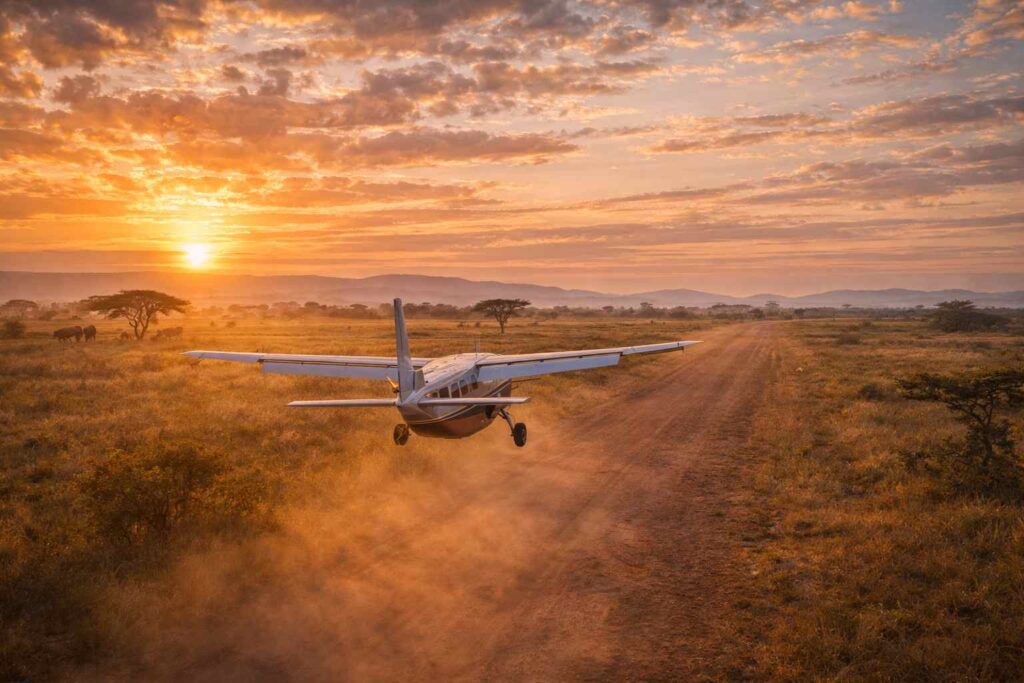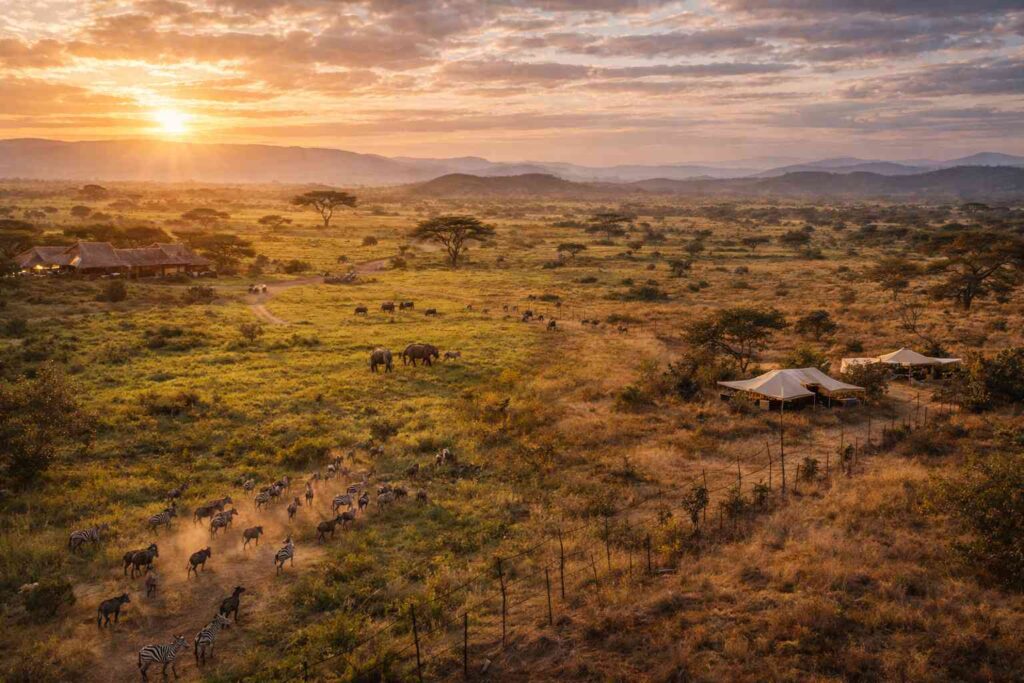
As Sandringham Private Game Reserve prepares to open in 2026, the wilderness is steadily coming back to life. Located in Limpopo Province, adjacent to the Greater Kruger ecosystem, Sandringham is undergoing a transformation from former hunting land into a thriving conservation reserve. With rewilding already underway, this guide explores what species travelers may expect to encounter once the reserve welcomes guests.
The ecosystem in context
- Sandringham spans roughly 4,500 hectares of diverse terrain: riverine forests, granite outcrops, and classic bushveld.
- The reserve is centered around the Timbavati River, a critical water source that draws a wide variety of animals.
- The area borders other wildlife-rich reserves and aims to become an open corridor into Kruger National Park.
Big Five prospects
1. Elephants
Elephants are among the first large mammals to return to Sandringham. Their presence is a sign of habitat suitability and relaxed behavior indicates early habituation to the environment.
2. Lions (including white lions)
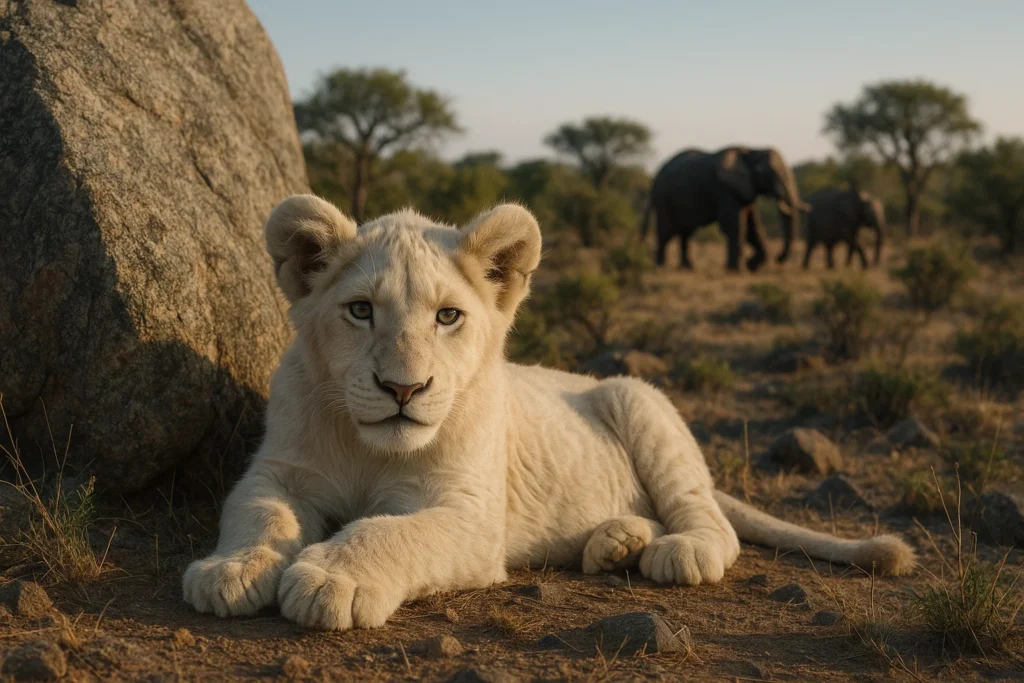
Lions have already been spotted on the reserve, including a pride with a rare white lion cub. These iconic predators are expected to become regular highlights of the safari experience.
3. Buffalo
Buffalo herds are expected to move into the reserve from adjacent regions. Their presence supports Sandringham’s claim to Big Five status.
4. Leopard
While leopards are elusive, the dense riverine areas and granite boulders provide ideal terrain for this solitary cat.
5. Rhinoceros
Though not yet confirmed, rhino presence is a goal of the conservation vision. Anti-poaching and corridor connectivity will be crucial for their long-term viability.
Other mammals to look for
- Giraffe: Often among the first species to move into rehabilitated reserves.
- Zebra & wildebeest: Plains grazers that contribute to predator-prey balance.
- Impala, kudu, nyala: Common antelope species vital to the ecosystem.
- Warthogs: Likely to be seen near waterholes and open grasslands.
Predator diversity
- Cheetah: Occasionally mentioned as a possible sighting, depending on prey base.
- African wild dog: Highly endangered and always a thrilling sight, wild dogs could use Sandringham as a future corridor.
- Spotted hyena: Likely present as scavengers, contributing to ecological balance.
Avian highlights
Sandringham’s rivers and forests attract exceptional birdlife:
- African fish eagle: Often seen perched near rivers.
- Southern ground hornbill: A large, rare bird with conservation status.
- Lilac-breasted roller, kingfishers, bee-eaters: Add vibrant color to game drives.
- Raptors: Expect sightings of martial eagles and bateleurs.
Why this wildlife matters
- Conservation success: The presence of large mammals and predators shows the effectiveness of rewilding.
- Habitat recovery: Returning species indicate soil, vegetation, and water systems are stabilizing.
- Guest experience: Even early sightings in a frontier reserve offer unmatched exclusivity.
What not to expect (yet)
- Full-density sightings like those in Sabi Sands or Kruger.
- Daily Big Five guarantees—sightings will be more exploratory.
- Fully developed infrastructure (lodges are expected by mid-2026).
Planning for wildlife viewing
Best time to visit:
- Dry season (May–September) for clear visibility and animal congregation.
Safari tips:
- Bring high-quality binoculars and a zoom lens.
- Be patient: frontier reserves reward attentive travelers.
- Book 3–4 nights minimum to increase sighting chances.
- Ask your guide about recent sightings and conservation updates.
Top species to watch for
| Species | Noteworthy Trait |
|---|---|
| White lion | Rare color morph, iconic sighting |
| Elephant | Early returner, visible along rivers |
| Southern ground hornbill | Conservation-listed bird |
| Leopard | Stealthy predator in granite terrain |
| African fish eagle | Photogenic and vocal near water |
Conclusion
Sandringham Private Game Reserve is poised to become a haven for wildlife and a standout destination for conservation-minded safari travelers. While species counts are still growing, the early signs are promising. From white lions and elephants to rare birds and future predator corridors, Sandringham offers not only sightings—but a meaningful story of return.
Explore more safari planning guides and wildlife profiles in our blog.
Frequently Asked Questions
Big Five species are present or expected, but sightings will depend on luck and patience.
Yes. One pride includes a rare white lion cub.
It offers a quieter, more exclusive experience in a regenerating landscape.
Yes, many itineraries suggest starting in Kruger, then transitioning to Sandringham.
Fish eagle, ground hornbill, rollers, kingfishers, and raptors are highlights.
Likely yes, but specifics will depend on lodge policies upon opening.
It is being integrated into the Greater Kruger system, with plans to remove internal fences.
Most are expected to return naturally through open corridors.
Yes, with trusted operators. Lodges will ensure standards are met.
Absolutely. River habitats and forest patches support diverse avifauna.