South Luangwa National Park in Zambia is widely recognized as the birthplace of the walking safari. This pioneering approach to exploring Africa’s wilderness began here in the 1950s, thanks to conservationist Norman Carr. Decades later, South Luangwa remains the ultimate destination for travelers seeking a deeper, more immersive safari experience on foot.
Why Choose a Walking Safari?
Unlike game drives, walking safaris place you directly into the ecosystem. You become part of the landscape, rather than a spectator behind a lens. It’s a chance to slow down, observe small wonders, and feel the pulse of the bush.
What makes walking safaris special:
- Spotting animal tracks and signs up close
- Listening to birdcalls and distant movement
- Learning about flora, insects, and survival skills
- Experiencing the thrill of being in big game territory on foot
The South Luangwa Advantage
South Luangwa is uniquely suited to walking safaris for several reasons:
- Diverse habitats: Mopane woodland, open plains, and riverine forests
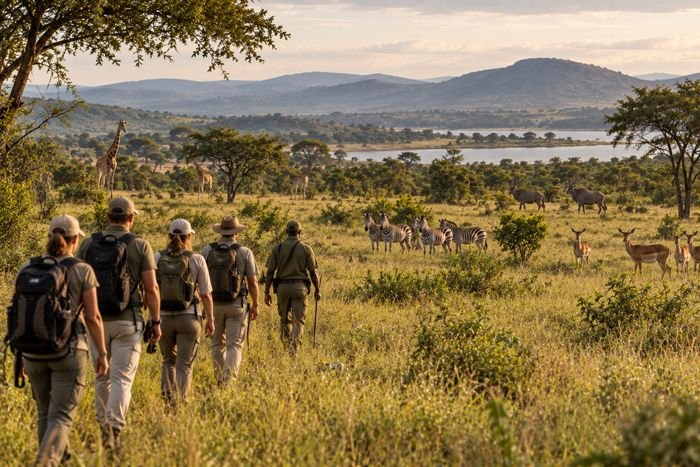
- High wildlife density: Elephants, buffalo, antelope, hippos, and predators like leopards
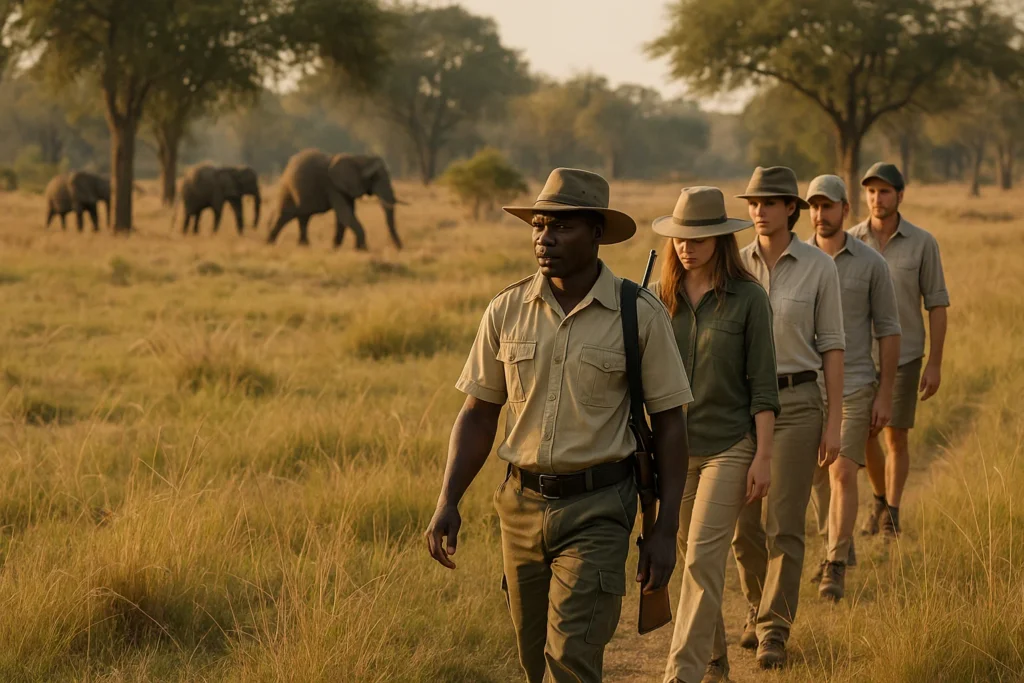
- Expert guiding: Highly trained guides and armed scouts accompany every walk
- Safety record: Over 60 years of walking safari tradition with strict safety protocols
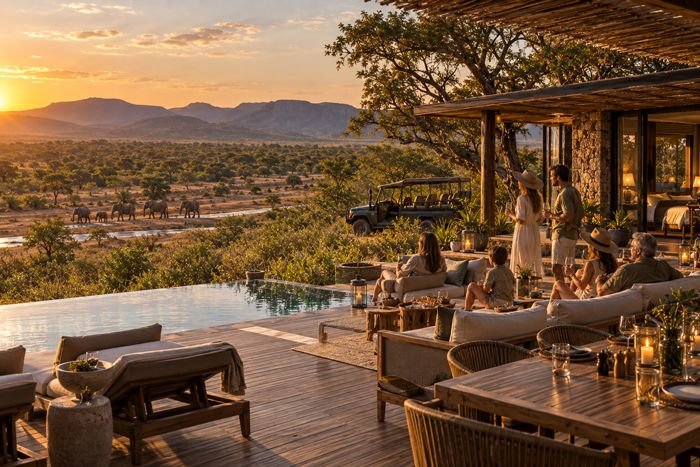
Many lodges here are designed with walking in mind, including mobile bush camps that move as you walk deeper into the park.
What to Expect on a Walking Safari
Walks typically take place in the early morning and late afternoon when temperatures are cooler and animals are active.
- Group size: Usually 4–6 guests
- Duration: 2–3 hours for day walks; up to 10 km/day on mobile safaris
- Pace: Leisurely, with frequent stops for learning and observation
- Wildlife sightings: From ant lions to elephant herds — everything is possible
Your guide will interpret animal tracks, identify calls, explain vegetation, and ensure your safety. Encounters with large animals are managed carefully with respect and caution.
Best Time to Go
The dry season (June to October) is ideal for walking safaris:
- Clear trails and good visibility
- Wildlife congregates around water sources
- Fewer insects and less vegetation cover
The green season (November to March) is lush and beautiful but less practical for walking due to muddy terrain and thick vegetation.
Lodges Offering Walking Safaris
South Luangwa is home to several specialist camps and operators:
- Robin Pope Safaris: Known for multi-day mobile walking safaris
- Norman Carr Safaris: Original pioneers with top-tier guiding
- The Bushcamp Company: Offers luxury walking-focused stays
- Remote Africa Safaris: Operates in pristine walking zones with intimate bush camps
These lodges tailor experiences for all levels of fitness and interest, from light strolls to full walking adventures.
Packing Tips for Walking Safaris
- Sturdy walking shoes (well broken-in)
- Neutral-colored lightweight clothing
- Wide-brim hat and sunglasses
- Sunscreen and insect repellent
- Reusable water bottle and small daypack
- Binoculars and a sense of curiosity
Conclusion
South Luangwa isn’t just the birthplace of the walking safari—it’s still the best place to experience one. With expert guides, spectacular wildlife, and a landscape made for exploring on foot, you’ll gain a fresh perspective on Africa’s wild beauty. For safari-goers who crave connection over comfort, this is where adventure truly begins.
FAQs
Yes. Walks are led by licensed guides and armed scouts trained in safety and animal behavior.
Absolutely. Most lodges offer short walks suitable for all fitness levels.
You may encounter elephants, buffalo, antelope, giraffes, and sometimes predators like leopards—always at a safe distance.
Anywhere from 2 hours to multi-day treks covering 8–10 km per day.
Minimum ages vary by lodge but often start at 12–16 years for safety reasons.