Uganda is one of the few places on Earth where you can stand face to face with wild mountain gorillas — a once-in-a-lifetime experience tucked deep within the misty forests of Bwindi Impenetrable National Park and Mgahinga Gorilla National Park. But when is the best time to go?
January, sitting in Uganda’s short dry season, offers one of the most favorable windows for gorilla trekking. In this guide, we’ll explore what makes this month special for gorilla safaris, what kind of conditions you can expect, and how to plan your journey for success.
Is January a good time for gorilla trekking in Uganda?
Yes — January is a great time to go gorilla trekking in Uganda. It falls within one of the country’s two dry seasons (the other being June to September), which means:
- Less rain, making hiking easier and more enjoyable
- Better trail conditions, with fewer muddy, slippery paths
- Clearer skies for photography and wildlife observation
- Lush green vegetation from earlier rains, enhancing the forest atmosphere
Treks during the rainy season are still possible, but the experience can be more physically demanding due to wet and slippery conditions. In contrast, January offers balance — relatively dry weather, beautiful scenery, and vibrant jungle life.
Weather and trail conditions in January
January in Uganda is typically warm and relatively dry, especially in the southwestern highlands where gorilla trekking takes place. While Bwindi and Mgahinga are rainforests and can receive rain year-round, the rainfall in January is less frequent and less intense compared to the long rains in March–May or October–November.
What to expect:
- Daytime temperatures between 20–25°C (68–77°F)
- Occasional light showers, usually short and localized
- Forest trails that are firm but still lush and green
- Comfortable humidity levels compared to peak rainy months
Overall, January conditions are ideal for hiking steep, forested slopes, which can be challenging in wetter months.
Gorilla sightings in January
Gorilla trekking in Uganda has a high success rate year-round, with sightings nearly guaranteed thanks to habituated gorilla families and expert trackers.
In January:
- Gorilla families are easier to track, as recent rains have created clear feeding trails
- The lush vegetation provides beautiful backdrops for photos
- The cooler mornings make hikes more pleasant
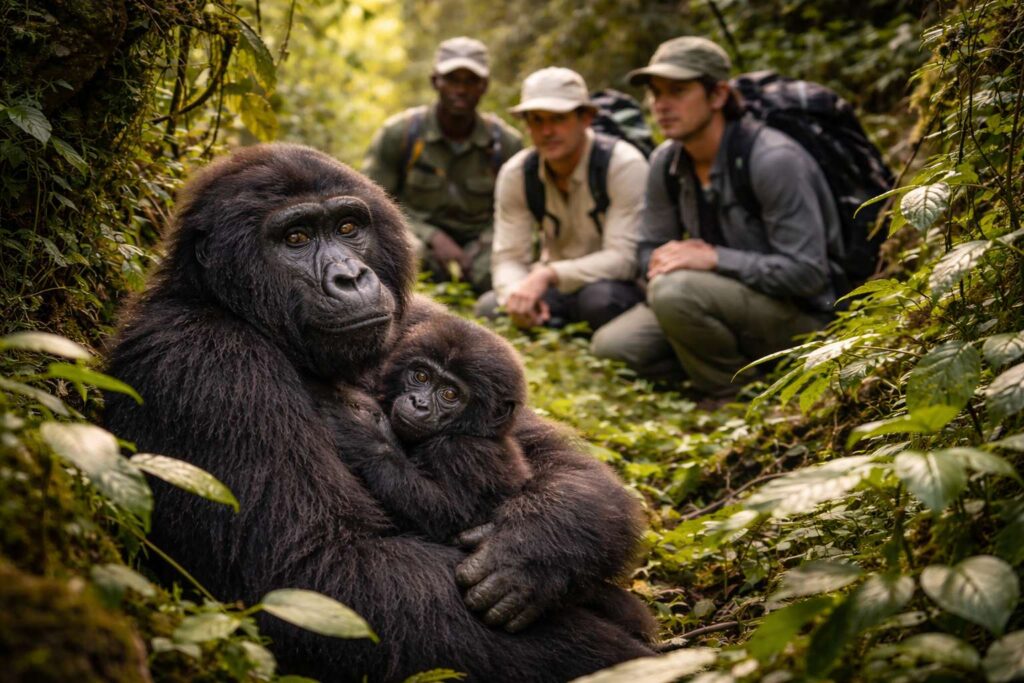
- Gorilla groups are often active and social, especially with young ones around
Unlike wildlife safaris where animals migrate or hide from the heat, mountain gorillas are resident year-round, and your chances of a life-changing encounter in January are excellent.
Other wildlife and activities in January
While gorilla trekking is the highlight, Uganda offers so much more in January:
Chimpanzee trekking
- Kibale Forest National Park offers high chimpanzee viewing success in the dry season.
- Trails are dry, and primate activity is high in the early mornings.
Birdwatching
- January is part of the prime birding season, with migratory species from Europe and northern Africa present.
- Uganda is home to over 1,000 species — including the iconic shoebill stork.
Wildlife safaris
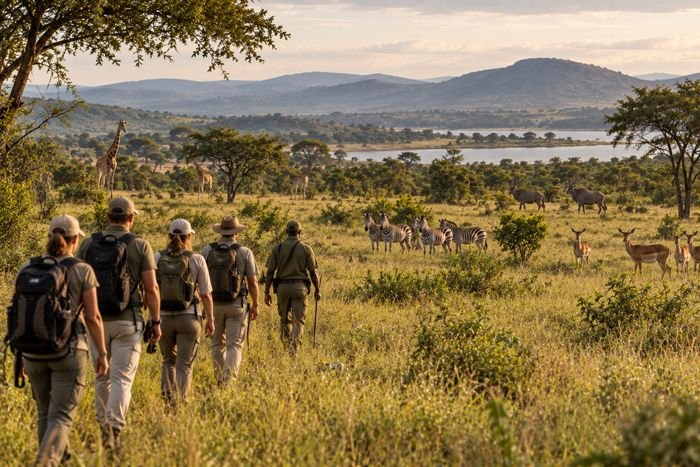
- Queen Elizabeth, Murchison Falls, and Lake Mburo National Parks offer great sightings.
- While grass is longer in the green season, the lower visitor numbers make for relaxed game drives.
Pros and cons of trekking in January
Pros
- Ideal trail conditions due to dry weather
- Lush, green forests for scenic treks and photography
- Excellent gorilla and chimpanzee tracking success
- Fewer tourists than peak months (June–August)
- Good availability at lodges and consistent flights
Cons
- Some rainfall still possible — it is a rainforest after all
- Humidity can be high in forest zones
- Permit availability may be tight — January is still popular, so early booking is essential
Planning your January gorilla safari
Book permits early
- Uganda issues a limited number of gorilla trekking permits per day.
- January is popular, so book 3–6 months in advance.
Choose your park
- Bwindi Impenetrable National Park offers multiple trekking sectors with several habituated families.
- Mgahinga Gorilla National Park offers more intimate treks with fewer tourists — but gorilla movement can be more unpredictable.
Combine with other experiences
- Add chimp trekking in Kibale, boat safaris in Queen Elizabeth, or visit Murchison Falls for a well-rounded Uganda safari.
Accommodation
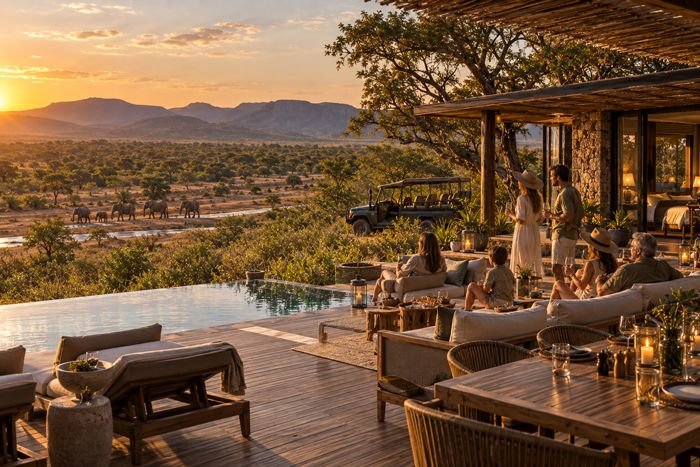
- January is dry but not yet peak season, so you’ll find good availability at lodges, mid-range camps, and luxury retreats.
Conclusion
If you’re wondering whether January is the best time to trek gorillas in Uganda, the answer is: absolutely. With mostly dry trails, beautiful green forests, and active gorilla families, it’s one of the most rewarding months for this life-changing adventure. You’ll enjoy comfortable trekking conditions without the crowds of the mid-year peak, making January a sweet spot for both weather and exclusivity.
Plan early, prepare well, and get ready for a journey deep into the heart of Africa’s most iconic rainforest.
For more gorilla trekking tips and tailor-made Uganda safari itineraries, explore the rest of our blog.
FAQs
While no sighting is 100% guaranteed, the success rate in Uganda is extremely high year-round, especially with experienced trackers.
Wear long sleeves, trekking boots, a light rain jacket, and neutral colors. Gaiters or long socks are recommended to protect against insects.
Hikes vary in difficulty based on gorilla group location, but trails are generally drier and more stable in January, making the trek easier than during the rains.
Yes — January is a great month for chimpanzee trekking in Kibale Forest, Budongo, or Kyambura Gorge.
Yes — Uganda is a malaria zone year-round. Take prophylaxis and use insect repellent.
It’s a dry season, but not as busy as June–August. It’s still important to book permits and accommodation early.
Treks can last anywhere from 2 to 6 hours, depending on where the gorillas are located that day.
Gorilla births are not seasonal and can happen any time of year — you may see young ones in January.