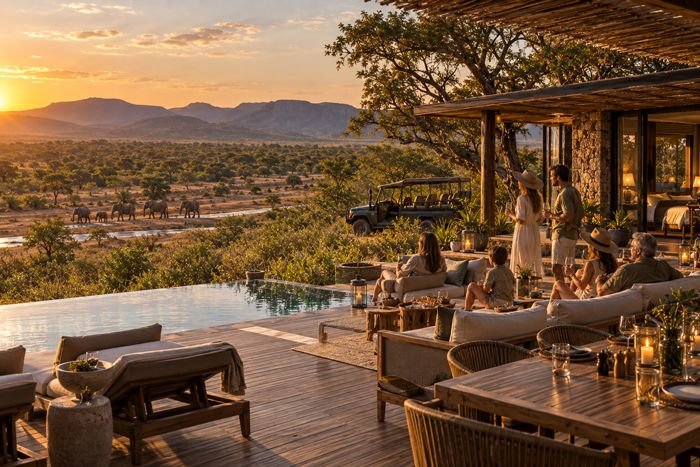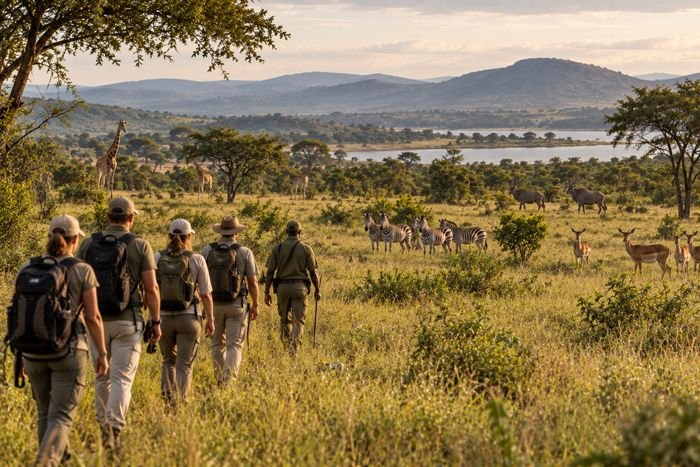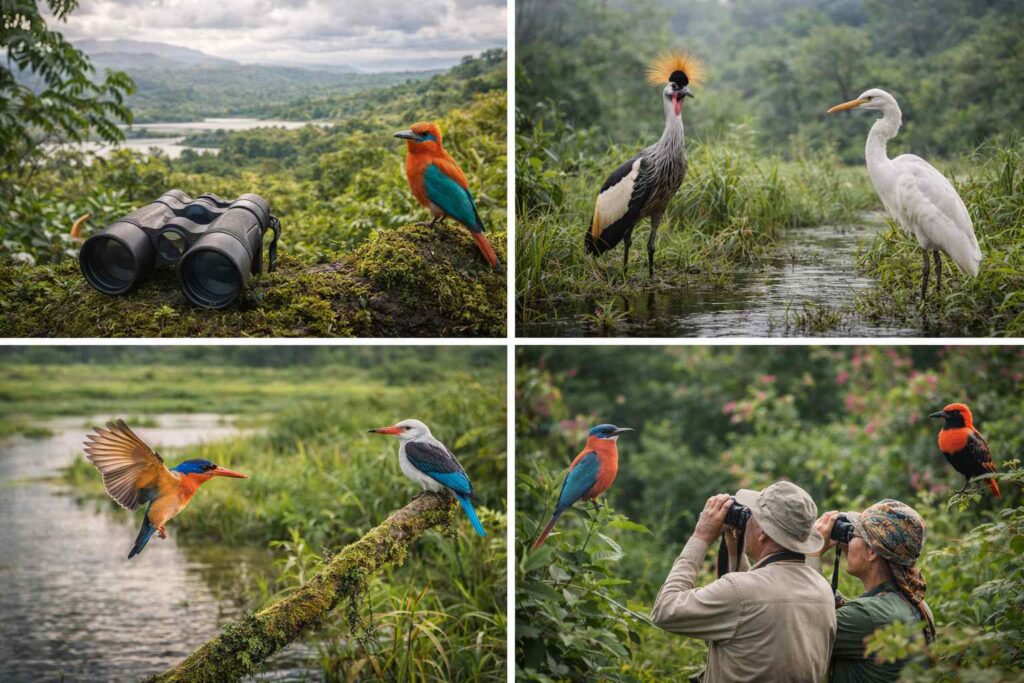
Visiting Zambia in February means experiencing the country in full bloom — vibrant landscapes, dramatic skies, and wildlife set against lush floodplains. For birdwatchers and photographers, this time of year — part of Zambia’s green season — is a gem. Fewer visitors, bright colors, abundant water, and intense animal and bird activity make February one of the most rewarding months to explore places like South Luangwa National Park, Lower Zambezi, and other wild heartlands.
In this guide, you’ll discover why February stands out for green season safaris, what makes it especially rewarding for birders and photographers, and how to plan a trip that captures the best of Zambia’s wild side.
What is the Green Season in Zambia?
Zambia’s green season typically runs from November through April, peaking in the early months of the calendar year. Heavy rains recharge water systems, turn grasslands emerald, and spark dramatic changes in animal behavior and scenery.
Why February is special:
- Landscape at its greenest: Rolling grasslands, swollen rivers, and thick woodlands create striking backdrops for wildlife and birdlife.
- Water abundant everywhere: Not just in rivers and lagoons — temporary floodplains and hidden pools form throughout the parks.
- Bird activity peaks: Resident and migratory species thrive in the wetter months, leading to excellent birding opportunities.
February sits in the heart of this season, and though showers are common, they are often short and dramatic, creating grand skies and light conditions that photographers love.
Weather and Safari Conditions in February
Zambia in February is:
- Warm and humid, with daily rainfall most often in the afternoons.
- Cooler in the morning and evening, ideal for game drives and photography.
- Lush and green, with towering storm clouds shaping dramatic light.
The rain rarely lasts all day — instead, it sweeps through with heavy bursts that wash the land clean and leave behind saturated colors and reflections ideal for photos.
Birdwatching Highlights in February
February can be one of the best months for birding in Zambia, especially for those who appreciate:
- Migratory species still lingering from summer movements
- Resident birds in full breeding plumage
- Waterbirds in abundance around floodplains and rivers
Top birding hotspots
- South Luangwa National Park: Swamp edges, riverine forests, and open grasslands attract a huge variety of birds, from vibrant kingfishers to elusive warblers.
- Lower Zambezi: Waterways and reedbeds host storks, egrets, herons, and fish eagles — all beautifully framed by swollen rivers.
- Kafue Flats (seasonal): Temporary wetlands draw shorebirds, waders, and large flocks in February.
Birders love this time for both quantity and quality — from tiny songbirds to swooping raptors, with frequent sightings of species that are harder to find in the dry season.
Why Photographers Love February Safaris
For photography, February in Zambia is a goldmine of opportunities:
1. Lush Landscapes and Reflections
Fresh water means reflective surfaces — a paradise for creative compositions. Flooded plains, mirror‑like wetlands, and glistening grasses produce vibrant backdrop contrasts.
2. Dramatic Light
Stormy afternoons and the low winter sun (as the rainy season wanes) generate rich, dynamic lighting — perfect for wildlife and landscape shots.
3. Active Wildlife Behavior
Unlike the dry season when animals cluster tightly around limited water, February moments are more free‑ranging and natural — animals spread across vast green terrain, interacting with one another in more varied ways.
4. Bird Photography Heaven
Birds are often more visible and active in vibrant feather colors, especially during and after storms when insect and fish activity rises.
Where to Go in Zambia in February
South Luangwa National Park
Known as the birthplace of walking safaris, South Luangwa comes alive in February with:
- Lush floodplains and forests
- Excellent bird diversity
- Active predators and newborn herbivores
- Fewer safari vehicles than in dry months
The combination of forest, grassland, and riverine habitats offers endless variety to photographers and birders alike.
Lower Zambezi National Park
Here, the Zambezi River becomes the centerpiece:
- Canoe or boat rides reveal water‑dependent birds
- Open plains meet forest pockets for diverse sightings
- Elephant and hippo sightings are frequent
Lower Zambezi is a dual experience — rich wildlife and riveting bird scenes framed by winding waterways.
Kafue National Park & the Flats
The extensive Kafue ecosystem includes:
- Seasonal floodplains bursting with life
- Huge herds of antelope
- Fluctuating waterlines that attract waders and waterbirds
Photographers love the wide vistas and dynamic light over these vast landscapes.
Safari Tips for February in Zambia
Pack Smart for Weather
- Lightweight rain jacket or poncho
- Quick‑dry clothing
- Sturdy walking shoes or boots
- Sun protection (hat, SPF, sunglasses)
Plan Around Light
- Early morning and late afternoon drives are ideal for both wildlife and photography.
- Midday light can be harsh, so consider shade breaks or short walks in cooler hours.
Use Local Guides
Knowledgeable guides are invaluable in the green season — they know where birds congregate after rains and how to find wildlife that’s more dispersed than in dry months.
Pros and Cons of February Safaris in Zambia
| Pros | Cons |
|---|---|
| Lush, green landscapes | Rainy season brings showers |
| Superb birdwatching | Wildlife more spread out |
| Excellent photography light | Some roads can be muddy |
| Fewer tourists, better rates | Mokoro may be limited |
| Dramatic storm skies | Higher humidity |
Conclusion
While February may fall within Zambia’s green season, it offers a unique and richly rewarding safari experience — especially for birders and photographers. From vibrant wetlands and migrating birds to dramatic landscapes and reflective floodplains, the scenery and wildlife behavior are uniquely compelling. With fewer visitors and lush visuals that transform every drive and walk, February can be one of the most inspiring months to explore Zambia’s wilderness.
Whether you’re using a long telephoto lens to capture raptors in flight or simply savoring the call of the African broadbill at sunset, Zambia in February invites travelers to see Africa’s wild heart in full color.
FAQs
Yes — especially for lush landscapes, bird diversity, and dramatic photography, though rain is possible.
Most main roads and lodge tracks remain passable, but some deeper bush tracks may be muddy — a 4×4 is recommended.
Expect a mix of resident and migratory species, including waterbirds, raptors, kingfishers, bee‑eaters, and more.
Animals are more dispersed due to abundant water, so sightings require patience and guide expertise.
Bird activity and diversity are particularly high in February, making it excellent for dedicated birdwatchers.
Yes — afternoon showers are common, so a lightweight rain jacket is useful.
Days are warm and humid, while mornings and evenings are cooler and ideal for game drives.
A stay of 5–7 days is ideal to cover multiple habitats and maximize sightings.