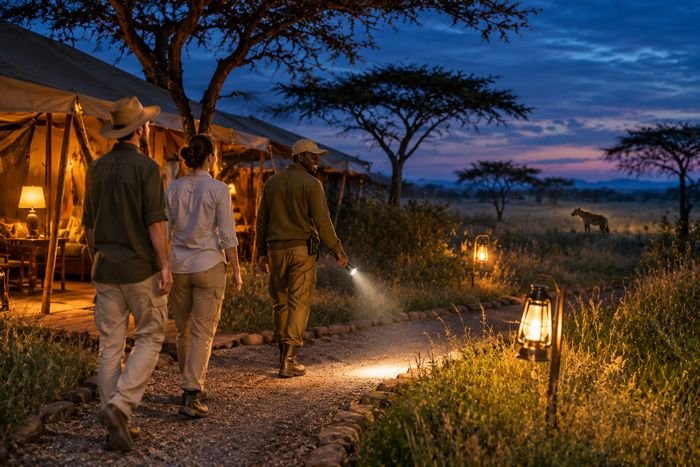
Planning a safari in South Africa often starts with one of the country’s most iconic wildlife destinations: Kruger National Park. However, as you explore accommodation options and safari packages, you will probably come across another name: Greater Kruger.
Although these destinations share an extraordinary ecosystem, they offer considerably different safari experiences. From the freedom of driving your own vehicle to guided wildlife encounters in exclusive private reserves, choosing between them can shape your entire African adventure.
So, what is the difference between Kruger National Park and Greater Kruger, and which one is right for you? This guide explores everything from wildlife viewing and accommodation to accessibility, costs and safari activities.
Understanding Kruger National Park and Greater Kruger
What is Kruger National Park?
Kruger National Park is one of Africa’s largest and most celebrated protected wildlife areas. Located in northeastern South Africa, across the provinces of Limpopo and Mpumalanga, it covers approximately 19,485 square kilometres.
Managed by South African National Parks (SANParks), Kruger is a publicly accessible national park with an extensive network of roads, rest camps, picnic areas and wildlife observation points.
Its landscapes range from open grasslands and dense woodlands to riverine forests and rocky hills, supporting an exceptional diversity of wildlife, including the Big Five.
One of its greatest attractions is accessibility. Visitors can explore the park independently, join organised game drives or stay at private safari lodges within designated concessions.
What is Greater Kruger?
Greater Kruger refers to the wider conservation landscape surrounding and incorporating Kruger National Park. In safari travel, however, the term is commonly used to describe the private and community-owned game reserves adjoining the national park, particularly along its western boundary.
Many of these reserves have removed their internal boundary fences with Kruger, allowing wildlife to move naturally across a much larger protected ecosystem.
Some of the best-known reserves associated with Greater Kruger include:
- Sabi Sand Game Reserve
- Timbavati Private Nature Reserve
- Klaserie Private Nature Reserve
- Balule Nature Reserve
- Manyeleti Game Reserve
- Umbabat Private Nature Reserve
Each reserve has its own management policies, accommodation options, conservation initiatives and safari regulations.
Although animals can move freely across connected areas, visitors do not enjoy the same freedom of movement. Access to individual reserves and their traversing areas is controlled.
Kruger National Park vs Greater Kruger: Key differences at a glance
| Feature | Kruger National Park | Greater Kruger private reserves |
|---|---|---|
| Management | SANParks | Private or community management |
| Public access | Available | Generally restricted |
| Self-drive safaris | Permitted | Generally not permitted for game viewing |
| Guided game drives | Available | Standard safari experience |
| Off-road driving | Restricted on public routes | Permitted under certain conditions |
| Night drives | Organised guided activities | Available at many lodges |
| Accommodation | Camping, rest camps and luxury lodges | Bush camps, tented camps and safari lodges |
| Vehicle density | Variable, sometimes high | Generally more controlled |
| Budget | Budget to luxury | Budget-conscious to ultra-luxury |
| Safari experience | Independent and flexible | Guided and more personalised |
Wildlife viewing: Are the animals different?
A shared ecosystem
Both Kruger National Park and the connected Greater Kruger reserves belong to the same extensive wildlife landscape.
Lions, leopards, elephants, buffaloes and rhinos inhabit this ecosystem, alongside giraffes, zebras, hyenas, African wild dogs, hippos and hundreds of bird species.
Staying in a private reserve does not necessarily mean encountering more animals. Wildlife movements depend on seasonal conditions, water availability, vegetation, prey distribution and natural behaviour.
The real difference lies in how visitors search for and observe wildlife.
Wildlife encounters in Kruger National Park
Kruger offers the excitement of discovering wildlife independently. You might encounter an elephant herd crossing the road, spot a leopard resting in a tree or spend an afternoon watching animals gather around a waterhole.
Its extensive road network allows visitors to explore different habitats and cover considerable distances throughout their stay.
However, popular sightings can attract several vehicles, particularly in the southern section of the park. Animals that remain far from accessible roads can also be difficult to observe.
Wildlife encounters in Greater Kruger
Private reserves typically offer guided safaris led by experienced field guides, often accompanied by professional trackers.
These teams use animal tracks, sounds, environmental clues and communication with other guides to locate wildlife that might otherwise go unnoticed.
Where reserve regulations permit, guides can leave established tracks for selected sightings, providing better viewing opportunities without relying entirely on roadside encounters.
Many reserves also limit the number of vehicles attending individual sightings, creating a quieter environment for wildlife observation and photography.
Nevertheless, sightings are never guaranteed, even at the most exclusive safari lodges.
Safari activities and game drive experiences
Self-drive safaris in Kruger National Park
For independent travellers, Kruger National Park offers an exceptional opportunity to experience the African wilderness at their own pace.
With a rental vehicle, visitors can choose their routes, decide how long to spend at sightings and adapt their daily schedule according to their interests.
A standard passenger car is generally sufficient for exploring the main public road network under normal conditions.
Self-drive visitors must follow designated roads, respect speed limits, remain inside their vehicles except in authorised areas and return to their camp or exit gate before closing time.
This experience is particularly rewarding for travellers who enjoy navigating, identifying wildlife and discovering unexpected encounters without a fixed itinerary.
Guided safaris in Greater Kruger
A typical day at a Greater Kruger safari lodge revolves around an early morning game drive and a late afternoon safari that may continue after sunset.
Between activities, guests can relax at the lodge, enjoy meals overlooking the bush or observe wildlife near camp.
Guided safaris provide valuable insights into animal behaviour, tracking techniques, ecology and conservation. Rather than simply identifying species, guides help visitors understand the relationships between animals and their environment.
Depending on the property, additional activities may include:
- Guided bush walks
- Photographic safaris
- Birdwatching excursions
- Night game drives
- Conservation-focused experiences
Kruger National Park also offers organised guided activities, so visitors do not need to stay in a private reserve to benefit from professional guiding.
Accommodation: From camping to exclusive safari lodges
Staying inside Kruger National Park
Kruger offers accommodation for a wide range of travel budgets. SANParks rest camps feature options such as campsites, safari tents, bungalows, cottages and larger guesthouses.
Major camps, including Skukuza, Lower Sabie and Satara, offer convenient facilities for independent travellers, with services that may include restaurants, shops, fuel stations and communal areas.
Self-catering accommodation is especially practical for families and visitors planning longer stays.
Kruger also contains private concessions with upscale safari lodges, offering an alternative for travellers who prefer guided activities and greater comfort while remaining inside the national park.
Staying in Greater Kruger
Accommodation in Greater Kruger ranges from rustic bush camps and intimate tented camps to sophisticated luxury lodges.
Many properties include meals and scheduled safari activities within their accommodation rates, creating a more structured and convenient experience.
Smaller lodges often provide an intimate atmosphere, while higher-end properties may feature private plunge pools, outdoor showers, wellness treatments and exclusive dining experiences.
The quality of the safari, however, is not determined solely by the luxury of the accommodation. Guiding expertise, traversing rights and responsible wildlife practices are equally important considerations.
Which destination is more affordable?
Kruger National Park is generally the more economical option, particularly for travellers willing to organise their own transport, meals and daily activities.
Visitors can manage their expenses by choosing affordable rest camps, preparing their own food and exploring independently.
Greater Kruger typically involves higher accommodation costs, although lodge packages frequently cover several expenses that would otherwise be paid separately.
When comparing safari prices, consider the complete cost of your stay, including accommodation, meals, conservation fees, transport, game drives and optional activities.
A seemingly inexpensive accommodation rate can become less competitive once additional expenses are included. Similarly, an inclusive lodge package may offer better value than its initial price suggests.
Which is better for families, couples and photographers?
Families travelling with children
Kruger National Park provides flexibility for families who need to adjust their daily activities around children’s energy levels, meals and rest periods.
Greater Kruger can also be an excellent family destination, particularly at lodges offering child-friendly programmes and flexible safari arrangements.
Always check minimum age requirements for game drives and walking safaris before booking.
Couples and honeymooners
Greater Kruger is particularly appealing to couples seeking tranquillity, privacy and a romantic wilderness retreat.
Intimate lodges, personalised service and secluded dining experiences can make a safari feel especially memorable.
Wildlife photographers
Both destinations offer outstanding photographic opportunities.
Kruger allows independent photographers to spend extended periods at accessible viewpoints, while private reserves may provide more favourable vehicle positioning, fewer competing vehicles and access to wildlife away from public roads.
Photographers should also consider whether a lodge offers dedicated photographic vehicles or private game drives.
Can you combine Kruger National Park and Greater Kruger?
Combining both destinations is an excellent way to experience different aspects of South Africa’s wilderness.
A six-night safari, for example, could include three nights in a Kruger rest camp followed by three nights at a Greater Kruger lodge.
This approach combines independent exploration with professional wildlife tracking, allowing travellers to appreciate the ecosystem from different perspectives.
It also provides an opportunity to balance accommodation expenses by combining a more economical stay with a premium guided safari experience.
Remember that transfers between the national park and private reserves must follow authorised access routes, even when their wildlife areas are connected.
Kruger National Park or Greater Kruger: Which should you choose?
The best choice depends on how you want to experience the African wilderness.
Kruger National Park is ideal for travellers seeking independence, flexible itineraries, extensive landscapes and greater control over their budget. Greater Kruger is particularly attractive to those who value expert guiding, controlled wildlife encounters, personalised service and immersive lodge experiences.
Neither destination is inherently better than the other. Both protect remarkable wildlife and offer opportunities to witness Africa’s natural beauty in its most authentic form.
Whether you choose a self-drive adventure, a private reserve safari or a combination of both, the Kruger ecosystem promises an unforgettable journey into South Africa’s wild heart.
Explore more of our WhySafari guides to discover the best safari destinations, accommodation options and practical travel advice for planning your African adventure.
Frequently asked questions
Yes. In its broader geographical sense, Greater Kruger encompasses the national park and surrounding conservation areas. However, an individual private reserve within Greater Kruger is considerably smaller than Kruger National Park itself.
The dry season, generally from May to September, offers favourable wildlife viewing conditions due to thinner vegetation and animals gathering around water sources. The summer months provide greener landscapes, newborn animals and excellent birdwatching opportunities.
Yes, both destinations are located within a malaria-risk region. Travellers should consult a travel health professional before departure and take appropriate mosquito bite prevention measures throughout their stay.
Hoedspruit Eastgate Airport is convenient for many western private reserves. Skukuza Airport and Kruger Mpumalanga International Airport are also suitable options, depending on your accommodation and transfer arrangements.
Some reserves offer day safari experiences through authorised operators. However, access to many private reserves is restricted to guests with confirmed accommodation or activity reservations.
No. Sabi Sand is a separately managed private game reserve adjoining Kruger National Park. Its unfenced boundary with the national park allows wildlife to move naturally between the two protected areas.
Advance booking is strongly recommended, particularly during school holidays and the peak safari season. Popular rest camps and smaller private lodges can reach capacity several months ahead.
Not always. Some lodges include conservation levies within their packages, while others charge them separately. Check whether entrance fees, conservation contributions and transfers are included before confirming your reservation.
Many lodges offer private vehicles at an additional cost, subject to availability. This can be particularly beneficial for families, photographers and travellers with specific wildlife interests.
Yes, tipping guides, trackers and lodge staff is customary but generally discretionary. Ask your accommodation for its recommended tipping guidelines before travelling.