A walking safari is one of the most thrilling ways to experience Africa. Instead of watching the bush from a vehicle, you step into it. You hear the crunch of dry grass under your boots, notice fresh tracks in the sand, smell wild sage after sunrise, and learn how every sound, feather, footprint, and warning call tells a story.
But walking in big game country is not casual hiking. This is wilderness shared with elephants, buffalo, lions, hippos, leopards, and other powerful animals. Safety depends on preparation, discipline, and, above all, trusting your guide.
Why walking safaris can be safe
A professionally guided walking safari is carefully managed. Routes are chosen according to weather, visibility, animal movement, terrain, and the experience level of the group. Guides are trained to read animal behavior, recognize warning signs, and avoid risky situations before they develop.
Most walks are not about getting dangerously close to predators. They are about understanding the ecosystem at ground level. You may examine spoor, identify medicinal plants, watch giraffes from a respectful distance, or follow bird calls to find hidden activity in the bush.
The key point is simple: a walking safari is safe when it is led by qualified professionals and guests follow instructions without hesitation.
Choose the right operator and guide
Your safety begins before you arrive. Book with a reputable safari operator that uses licensed, experienced walking guides. In many destinations, walking safaris are led by a head guide and an armed ranger or second guide, depending on local regulations.
Look for operators that clearly explain their safety briefing, guide qualifications, group size, age restrictions, and emergency procedures. A good operator will never promise reckless close encounters. Instead, they will emphasize respectful wildlife viewing and safe distances.
Small groups are usually better for walking safaris. They are quieter, easier to manage, and less stressful for wildlife. If you are nervous, choose a destination known for gentle introductory walks rather than committing to a multi-day expedition on your first attempt.
Listen carefully during the safety briefing
Before setting out, your guide will explain how to walk, where to stand, what to do if animals appear, and which behaviors are not allowed. Pay attention, even if you have been on many game drives before.
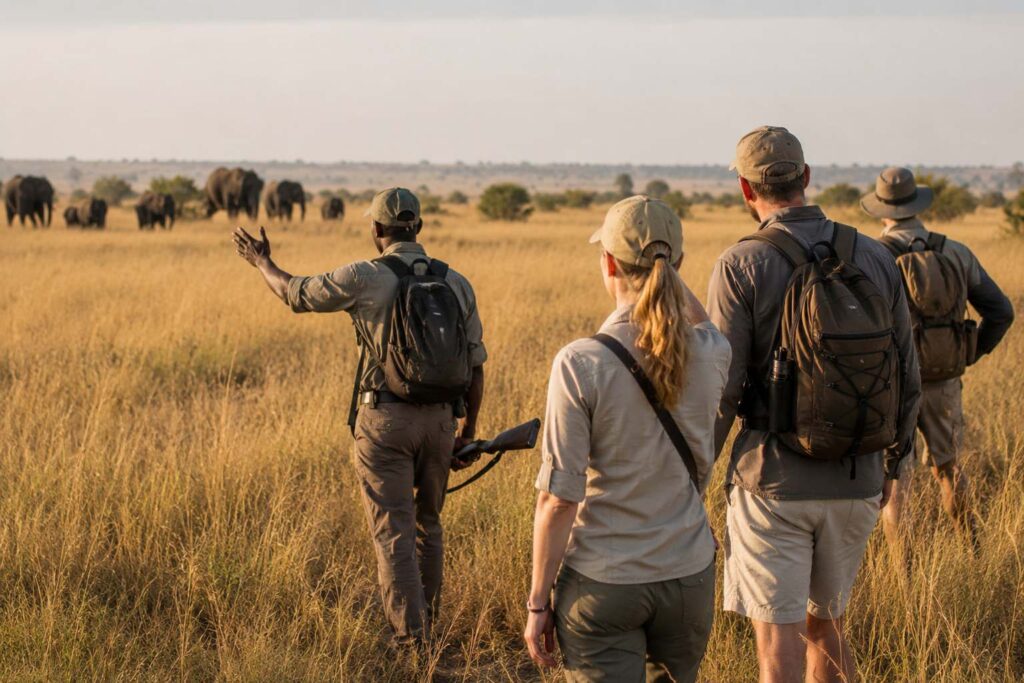
Common walking safari rules include walking in single file, staying behind the guide, keeping quiet, avoiding sudden movements, and never wandering away from the group. These rules are not formalities. They help the group move as one calm, predictable unit.
Your guide may also explain hand signals. These are important because speaking loudly in the bush can disturb animals or draw attention. If the guide raises a hand, stop. If they signal you to crouch, move back, or stay still, do it immediately.
How to behave around big game
The safest wildlife encounter is usually the one your guide manages before you even realize there was risk. Guides pay close attention to wind direction, animal posture, escape routes, and the mood of the herd or individual animal.
Never approach wildlife on your own. Never try to take a better photo by stepping forward. Never run. Running can trigger chase instincts or make you appear unpredictable.
Elephants may flap their ears, lift their heads, or mock charge if they feel pressured. Buffalo can be defensive, especially in thick cover. Hippos are extremely dangerous on land and near water. Lions often prefer to avoid people on foot, but they must always be treated with absolute respect.
Your job is not to interpret the animal better than your guide. Your job is to stay calm, quiet, and responsive.
What to wear on a walking safari
Good clothing makes walking safer and more comfortable. Choose neutral colors such as khaki, olive, beige, or brown. Avoid bright colors, white clothing, and strong patterns that stand out in the bush.
Wear lightweight long sleeves and long trousers to protect against sun, insects, grass, and thorns. Closed walking shoes or lightweight hiking boots are essential. They should be broken in before your trip, with good grip and ankle support.
A wide-brimmed hat, sunglasses, and high-SPF sunscreen are useful, especially in open savannah areas. In cooler months, early morning walks can be chilly, so bring a warm layer that you can remove as the day heats up.
Health precautions before you travel
Walking safaris often take place in remote areas, so health preparation matters. Speak with a travel clinic well before departure about vaccinations, malaria precautions, and destination-specific medical advice.
Pack personal medication in your hand luggage, along with copies of prescriptions. If you have allergies, asthma, heart conditions, mobility limitations, or other medical concerns, tell your safari operator before the trip and remind your guide before the walk.
Travel insurance should include medical treatment and emergency evacuation. This is especially important for remote camps where the nearest hospital may be hours away by road or air transfer.
What to carry on the walk
Carry light, but carry smart. Most guests only need water, sunscreen, insect repellent, binoculars, a camera, and any essential medication. A small daypack is usually enough.
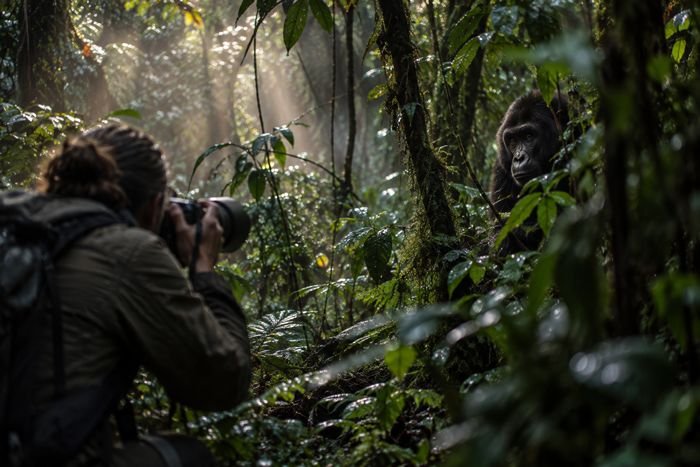
Do not bring noisy plastic bags, dangling accessories, or strong perfumes. Keep your phone silent. If you bring a camera, use a zoom lens rather than trying to move closer to wildlife.
Hydration is critical. Even short walks can feel demanding in heat, sand, or uneven terrain. Drink water before the walk and take small sips when your guide allows breaks.
Fitness and age considerations
You do not need to be an athlete for most walking safaris, but you should be comfortable walking on uneven ground. Some walks are slow and gentle, while others may cover longer distances through sand, rocks, riverbeds, or woodland.
Be honest about your fitness level. A good guide can adjust the pace, but they need accurate information. If you have knee issues, breathing difficulties, or heat sensitivity, mention it in advance.
Children may not always be allowed on walking safaris, especially in big game areas. Minimum ages vary by country, park, and operator. This is not because children cannot enjoy nature, but because they may struggle to stay quiet, still, or focused during tense moments.
Camp safety also matters
Safety does not end when the walk finishes. Many safari camps are unfenced, meaning wildlife can move through at night. Always follow camp rules.
Do not walk alone after dark unless staff say it is safe. Use an escort when required. Keep tent doors closed, do not store snacks in your room, and never approach animals inside camp, even if they seem relaxed.
Hippos, elephants, monkeys, baboons, and even antelope can cause problems when people forget they are wild. Respecting camp boundaries is part of the safari experience.
The right mindset for walking in wild places
A walking safari rewards patience. It is not about ticking off the Big Five in one morning. Some of the best moments are quiet ones: watching dung beetles work, hearing oxpeckers reveal the presence of buffalo, or learning how guides read fresh tracks like a map.
The safest guests are calm, humble, and attentive. They understand that the bush is not a theme park. It is a living landscape where humans are visitors.
When you accept that rhythm, walking safaris become deeply meaningful. You stop rushing from sighting to sighting and begin to notice the smaller details that make Africa’s wild places unforgettable.
Conclusion
Walking safaris are adventurous, but they are not reckless when done properly. With expert guides, responsible operators, the right gear, and respectful behavior, exploring big game country on foot can be one of the safest and most memorable safari experiences in Africa.
For more practical safari planning advice, destination guides, and wildlife travel inspiration, keep exploring the WhySafari blog.
FAQs
They involve different risks because you are outside the vehicle, but professional guides manage those risks carefully. The most important safety factor is following instructions at all times.
Yes. Many camps offer short introductory walks designed for first-time guests. Choose an easy walk before booking a longer mobile walking safari.
Your guide will assess the lion’s behavior, wind direction, and distance. You will usually be told to stand still, stay quiet, and move only when instructed.
Guides usually carry emergency equipment, but you should bring personal medication, blister plasters, allergy treatment, and any essentials you may need quickly.
Sometimes, but age restrictions are common. Families with younger children may prefer nature walks in lower-risk areas or private reserves with child-friendly activities.
Avoid white, black, neon colors, and bold prints. Neutral earth tones are best because they blend into the environment and are less distracting.
Yes, but only when your guide says it is safe. Never step away from the group or move closer to wildlife for a photo.