Samburu National Reserve is famous for its rugged landscapes, the Samburu Special Five, and excellent wildlife viewing. But behind every memorable safari lies another story—one that many visitors never fully see. Across northern Kenya, conservation isn’t driven solely by national parks or government agencies. Instead, local communities play a leading role in protecting wildlife, restoring habitats, and ensuring tourism benefits both people and nature.
This community-led approach has transformed Samburu into one of Africa’s most inspiring conservation success stories. Through locally managed conservancies, education programs, wildlife monitoring, and sustainable tourism, the region demonstrates that conservation works best when the people who live alongside wildlife are active partners rather than passive observers.
For travelers, understanding these initiatives adds a deeper appreciation to every elephant sighting, lion encounter, or visit to a Samburu community.
Why conservation in Samburu is different
Unlike many famous safari destinations where wildlife is largely confined to protected parks, Samburu is part of a much broader ecosystem.
Animals regularly move between:
- Samburu National Reserve
- Buffalo Springs National Reserve
- Shaba National Reserve
- Community conservancies
- Traditional grazing lands
Because wildlife shares the landscape with pastoral communities, successful conservation depends on cooperation rather than separation.
This has made Samburu a global example of community-based conservation.
The role of community conservancies
One of the biggest conservation achievements in northern Kenya has been the creation of community conservancies.
These are areas managed by local communities that balance:
- Wildlife conservation
- Livestock grazing
- Sustainable tourism
- Cultural preservation
Rather than excluding local people, conservancies recognize that healthy ecosystems and thriving communities depend on one another.
Tourism revenue helps fund conservation while creating employment opportunities for local residents.
Benefits for local communities
Community-led conservation generates tangible benefits beyond wildlife protection.
These include:
- Employment as guides and rangers
- Lodge and camp jobs
- Tourism income
- Education programs
- Healthcare support
- Infrastructure improvements
By creating economic value from wildlife, conservancies reduce pressure to convert natural habitats into other land uses.
Many young people who once had limited employment opportunities now build careers in conservation and ecotourism.
Protecting iconic wildlife
Samburu is home to several species found mainly in northern Kenya.
Conservation initiatives help protect:
- Grevy’s zebra
- Reticulated giraffe
- Beisa oryx
- Somali ostrich
- Gerenuk
Together, these animals are known as the Samburu Special Five.
The region also supports healthy populations of:
- African elephants
- Lions
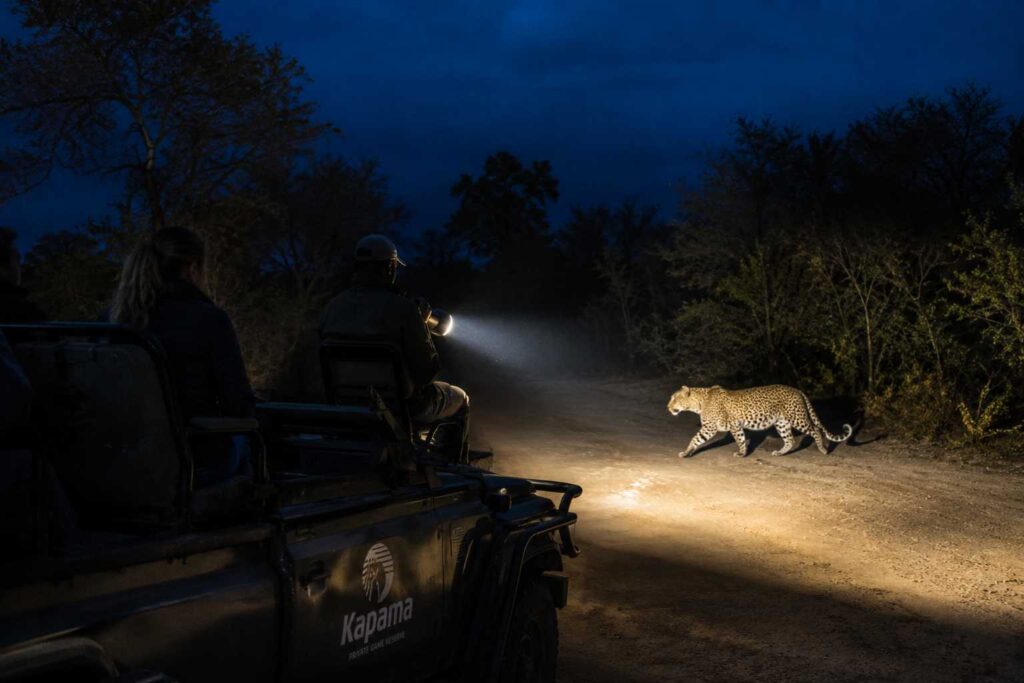
- Leopards
- Cheetahs
- African wild dogs
Many of these species depend on habitats extending well beyond the reserve itself.
Elephant conservation
Northern Kenya has become one of Africa’s most important landscapes for elephant conservation.
Community initiatives contribute by:
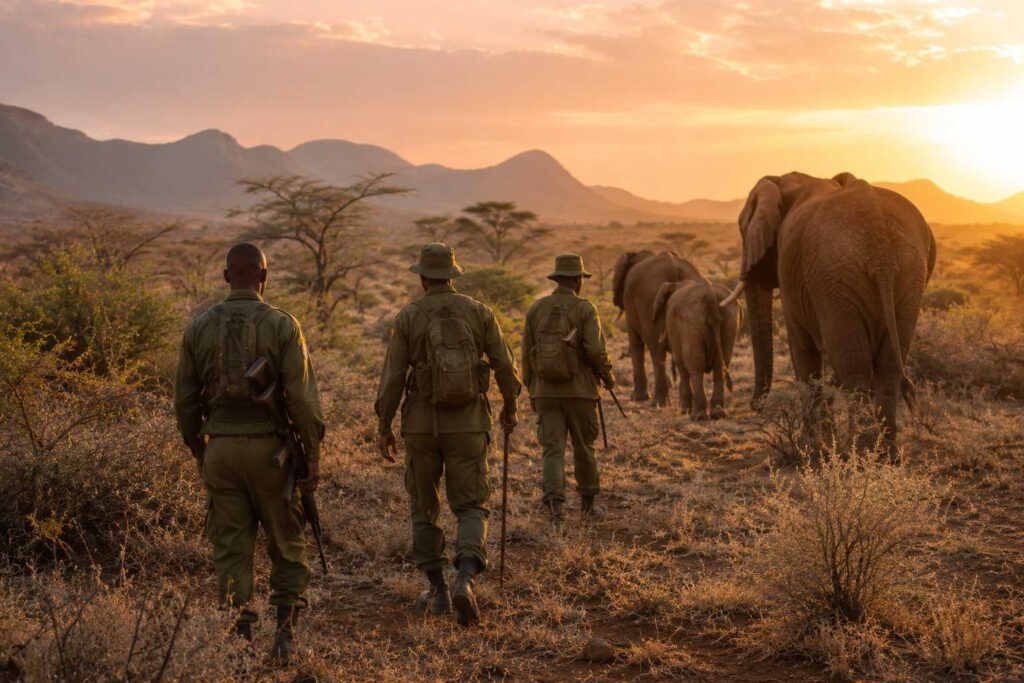
- Monitoring elephant movements
- Reducing poaching
- Protecting migration routes
- Promoting coexistence between people and wildlife
Tourism plays an important role by funding many of these long-term conservation efforts.
Visitors often encounter elephants fitted with research collars that help scientists better understand seasonal movements and habitat use.
Lion conservation
Living alongside lions inevitably creates challenges for livestock-owning communities.
In Samburu, innovative conservation organizations work directly with local herders to reduce conflict through initiatives such as:
- Livestock protection strategies
- Predator monitoring
- Community education
- Compensation and incentive programs
- Youth conservation training
Programs like Ewaso Lions have become internationally recognized for demonstrating how local knowledge and scientific research can work together to protect both lions and livelihoods.
Women and conservation
Women increasingly play important roles in Samburu’s conservation movement.
Many community projects support:
- Women’s cooperatives
- Sustainable handicrafts
- Environmental education
- Entrepreneurship
- Leadership development
Income generated through tourism and locally made crafts helps strengthen households while reducing pressure on natural resources.
Supporting these initiatives also helps preserve traditional knowledge and cultural heritage.
Education as a conservation tool
Long-term conservation depends on future generations.
Many organizations work with local schools by providing:
- Wildlife education
- Conservation clubs
- Scholarships
- Teacher training
- Environmental awareness programs
These initiatives encourage young people to see wildlife as a valuable shared resource rather than a competing land use.
Sustainable tourism
Tourism in Samburu contributes directly to conservation when managed responsibly.
Many lodges support nearby communities through:
- Local employment
- Purchasing regional products
- Community partnerships
- Conservation funding
- Skills development
Choosing accommodations with strong sustainability commitments allows travelers to contribute directly to these positive outcomes.
Scientific research
Samburu has become an important center for wildlife research.
Scientists study:
- Elephant behavior
- Lion ecology
- Grevy’s zebra populations
- Predator-prey relationships
- Climate impacts
Research findings guide conservation decisions while improving understanding of northern Kenya’s unique ecosystem.
Many long-term studies conducted in Samburu have influenced conservation strategies across Africa.
Challenges facing Samburu
Despite significant progress, conservation remains an ongoing effort.
Current challenges include:
- Climate change
- Drought
- Habitat fragmentation
- Human population growth
- Increasing pressure on grazing land
Community-led conservation helps build resilience by encouraging sustainable land management while maintaining wildlife corridors.
Continued cooperation between local communities, conservation organizations, tourism operators, and government agencies remains essential.
How visitors can support conservation
Travelers can make a meaningful contribution by:
- Staying at responsible lodges.
- Respecting wildlife viewing guidelines.
- Purchasing locally made crafts.
- Participating in community visits arranged through reputable operators.
- Learning about Samburu culture with an open mind.
- Supporting conservation-focused tourism.
Even small choices help strengthen the long-term relationship between conservation and local livelihoods.
Why Samburu is a conservation model
Samburu demonstrates that conservation succeeds when local communities benefit alongside wildlife.
Instead of separating people from nature, the region has embraced an approach built on partnership, education, and sustainable tourism.
This collaborative model has protected endangered wildlife while improving opportunities for the people who call northern Kenya home.
As other regions search for effective conservation solutions, Samburu continues to provide valuable lessons about the power of community leadership.
Conclusion
Conservation in Samburu extends far beyond the boundaries of the national reserve. It is a shared effort involving local communities, conservation organizations, researchers, tourism operators, and visitors, all working toward the common goal of protecting one of Kenya’s most remarkable ecosystems. From safeguarding the Samburu Special Five to reducing conflict between people and predators, community-led initiatives have become the foundation of the region’s long-term success.
For travelers, understanding these conservation efforts transforms a safari into something more meaningful. Every wildlife sighting becomes part of a larger story about coexistence, sustainability, and the people helping ensure Samburu remains one of Africa’s most extraordinary wilderness destinations.
For more Kenya safari guides, conservation stories, and African travel inspiration, continue exploring the WhySafari blog.
FAQs
Community-based conservation involves local people actively managing wildlife, natural resources, and tourism while sharing the economic benefits generated by conservation.
Samburu protects several rare northern Kenyan species, supports important elephant and lion populations, and has become a leading example of successful community-led conservation.
Community conservancies are protected areas managed by local communities that combine wildlife conservation, sustainable tourism, and traditional land uses such as livestock grazing.
Tourism creates jobs, funds conservation programs, supports local schools and healthcare, and provides financial incentives to protect wildlife and natural habitats.
Several organizations operate in the region, including Ewaso Lions and initiatives focused on elephant conservation, community development, education, and sustainable tourism.
Yes. Many lodges arrange respectful cultural visits and community experiences that directly benefit local residents and promote cultural understanding.
Choose responsible safari operators, respect wildlife regulations, support local businesses, and stay at lodges that invest in community and conservation projects.