


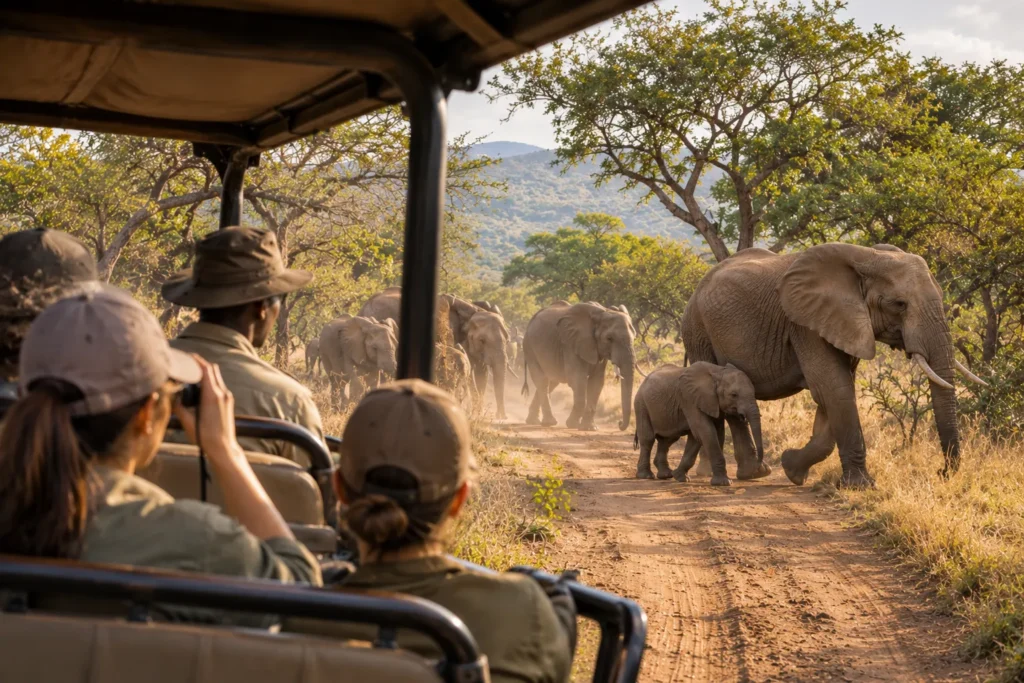
Planning your first African safari is an exciting experience, but it can also raise plenty of questions. Where should you stay? Do you need a guide? Is it safe to encounter wild animals? And what does a typical day on safari actually look like?
Kruger National Park in South Africa is an excellent destination for first-time safari travelers. Its remarkable wildlife diversity, established infrastructure, flexible accommodation options and accessibility make discovering the African wilderness relatively straightforward.
Whether you are considering a self-drive adventure or a fully guided safari, understanding what to expect can help you feel more confident before departure.
This guide covers everything you need to know before visiting Kruger National Park for the first time.
Is Kruger National Park good for a first safari?
Kruger is one of the most beginner-friendly safari destinations in Africa. Covering approximately 19,485 square kilometres, the park combines an immense protected wilderness with a well-developed tourism infrastructure.
Unlike some remote African safari destinations, Kruger allows travelers to choose how independently they want to explore. Visitors can rent a car, join organised excursions or book accommodation that includes guided wildlife activities.
Several factors make Kruger particularly suitable for beginners:
- Excellent opportunities to encounter the Big Five.
- Accommodation for different travel budgets.
- Well-maintained public roads and established rest camps.
- Experienced professional safari guides.
- Convenient road and air connections.
- Flexible safari durations and itineraries.
- Year-round wildlife viewing opportunities.
You do not need previous safari experience, specialised wildlife knowledge or expensive equipment to enjoy Kruger. Curiosity, patience and respect for the natural environment are far more important.
What wildlife can you expect to see in Kruger?
The Big Five and beyond
Many first-time safari travelers arrive hoping to encounter the Big Five: lions, leopards, elephants, buffaloes and rhinos.
Kruger supports populations of all five species, alongside giraffes, zebras, hippos, crocodiles, hyenas, cheetahs and African wild dogs. Its exceptional bird diversity also makes it a fascinating destination for nature enthusiasts.
Elephants, impalas and zebras are frequently encountered, while animals such as leopards and African wild dogs can require more patience and luck.
Understanding that wildlife sightings are unpredictable
A safari is not a visit to a zoo. Animals move freely throughout the ecosystem, and their behaviour determines where and when they can be observed.
Some game drives may deliver several extraordinary encounters, while others involve long stretches of quiet exploration.
Try not to approach your first safari as a checklist. Watching elephants interact, observing a giraffe feeding or discovering a colourful bird can be just as memorable as encountering a large predator.
Allow yourself to appreciate the smaller details of the wilderness.
Self-drive or guided safari: Which is better for beginners?
Choosing a guided safari
A guided safari is an excellent starting point for travelers unfamiliar with African wildlife.
Professional guides understand animal behaviour, recognise tracks and identify subtle signs of wildlife activity. They also explain the ecological relationships that make Kruger’s landscapes so fascinating.
Guided game drives generally take place in specialised safari vehicles designed to provide good visibility.
For beginners, having an experienced guide removes the responsibility of navigating unfamiliar roads, planning routes and interpreting potentially dangerous wildlife behaviour.
Choosing a self-drive safari
Kruger is particularly well suited to independent exploration. Its network of paved and gravel roads allows visitors to travel through different habitats using their own vehicles.
Under normal road conditions, a standard rental car is generally sufficient for the public road network.
Self-drive safaris offer greater flexibility, allowing you to stop whenever you discover something interesting and adjust your schedule throughout the day.
However, you will need to familiarise yourself with park regulations, gate closing times, driving distances and wildlife safety guidelines.
Combining both safari styles
For many first-time visitors, combining guided and self-drive safaris offers the best balance.
Start with a professionally guided game drive to develop a basic understanding of wildlife behaviour and observation techniques. Then apply what you have learned during independent exploration.
This approach provides confidence without sacrificing the freedom that makes Kruger such an appealing destination.
What does a typical day on safari look like?
Safari days generally follow the natural rhythms of wildlife rather than conventional holiday schedules.
Early morning
Morning safaris often begin around sunrise, when temperatures are cooler and many animals are active.
Predators may still be moving after nighttime hunting, while herbivores begin feeding and birds become increasingly vocal.
Expect early wake-up calls, particularly when joining organised activities.
Midday
As temperatures rise, many animals seek shade and become less active.
This is an ideal time to return to your accommodation, enjoy lunch, relax by the pool where available or observe wildlife from designated camp viewpoints.
Waterholes can also provide rewarding midday sightings, especially during the dry season.
Late afternoon and evening
Wildlife activity frequently increases again as temperatures decrease.
Afternoon drives offer opportunities to encounter animals in softer light, making this period particularly attractive for photography.
Authorised guided sunset and night drives may continue beyond regular public driving hours, providing opportunities to observe nocturnal species.
Independent visitors must return to their accommodation or leave the park before the relevant gates close.
Where should first-time visitors stay in Kruger?
Rest camps inside the national park
Staying inside Kruger allows visitors to begin exploring without travelling from an external hotel each morning.
Established rest camps offer various accommodation options, including bungalows, cottages, safari tents and campsites.
Skukuza is a practical choice for beginners because of its extensive facilities and convenient location. Lower Sabie is particularly attractive for its riverfront setting, while Satara offers access to productive grassland habitats.
Booking accommodation early is advisable, especially during South African school holidays and peak wildlife viewing periods.
Accommodation outside the park
Towns such as Hazyview, Malelane and Hoedspruit offer hotels, guesthouses and safari lodges within reach of various park entrances.
Staying outside Kruger can provide additional dining options, comfortable facilities and opportunities to explore nearby attractions.
However, daily entry requires careful planning. Day visitor quotas apply at park gates, and entry may be restricted when capacity is reached. Advance reservations are particularly important during busy travel periods.
Private reserves in Greater Kruger
Travelers seeking a more personalised introduction to safari life may prefer accommodation in Greater Kruger.
Many private lodges include meals, guided game drives and professional tracking services. Some reserves also permit carefully managed off-road wildlife viewing.
These experiences generally involve higher costs but require less independent planning.
How many days do you need for your first Kruger safari?
Although a single-day visit can provide memorable wildlife encounters, three to five nights is a more rewarding starting point for a first safari.
Kruger is enormous, and wildlife sightings cannot be scheduled. Spending several days in the park allows you to explore different habitats without feeling pressured to see everything immediately.
Avoid trying to cover the entire national park during a short visit.
For beginners, concentrating on the southern or central regions is often more practical than moving between widely separated camps every night.
A slower itinerary also provides more opportunities to enjoy individual sightings and develop confidence in the bush.
When is the best time for a first safari in Kruger?
The dry season, generally from May to September, is particularly attractive for first-time visitors.
Vegetation becomes less dense, and wildlife frequently gathers around rivers and remaining water sources. Cooler daytime temperatures also make extended game drives more comfortable.
The summer months bring greener landscapes, seasonal thunderstorms, newborn animals and excellent birdwatching opportunities.
Although thicker vegetation can make wildlife more challenging to locate, the wet season offers its own distinctive safari experiences.
Kruger is a year-round destination, so there is no need to postpone your first safari simply because you cannot travel during the dry season.
Essential safety tips for first-time safari travelers
Kruger is a well-managed destination, but visitors must remember that they are entering a natural environment inhabited by potentially dangerous wild animals.
Follow these essential guidelines:
- Remain inside your vehicle except in designated areas.
- Maintain a safe distance from wildlife, particularly elephants.
- Never feed animals or attempt to attract their attention.
- Follow designated roads and observe speed limits.
- Avoid blocking other vehicles at wildlife sightings.
- Respect park entrance and camp closing times.
- Follow your guide’s instructions during organised activities.
- Consult a travel health professional about malaria prevention before departure.
Kruger is located within a malaria-risk region. Appropriate precautions may include preventative medication, insect repellent and protective clothing, depending on professional medical advice.
Responsible behaviour protects both visitors and the animals they have travelled to see.
What should you pack for your first Kruger safari?
You do not need an extensive collection of specialised safari clothing.
Comfortable, practical items are generally sufficient:
- Lightweight clothing in neutral colours.
- Warm layers for early morning drives.
- Comfortable closed-toe shoes.
- A sun hat and sunglasses.
- Sunscreen and insect repellent.
- Binoculars for distant wildlife sightings.
- A camera or smartphone with sufficient storage.
- A reusable water bottle.
- Personal medications and travel documents.
Temperatures can vary considerably throughout the day, particularly during winter. Dressing in layers allows you to remain comfortable from sunrise until sunset.
Common mistakes to avoid on your first Kruger safari
One of the most frequent mistakes is underestimating driving distances. Progress through the park is naturally slow because of speed restrictions, wildlife encounters and frequent observation stops.
Other mistakes include arriving at gates too late, booking accommodation without considering its location and planning excessively long game drives without breaks.
Avoid rushing between reported sightings or expecting every safari to deliver dramatic predator encounters.
Some of the most rewarding moments happen when you stop, remain quiet and observe what is happening around you.
Your first Kruger safari: An adventure worth taking
Kruger National Park offers an outstanding introduction to African safari travel. Its combination of wildlife diversity, accessible infrastructure and flexible experiences allows beginners to discover the wilderness in a way that suits their interests and budget.
With thoughtful preparation, realistic expectations and a willingness to embrace the unexpected, your first safari can become one of your most memorable travel experiences.
Explore more of our WhySafari guides for practical travel advice, wildlife insights and inspiration to help you plan your perfect Kruger National Park adventure.
Frequently asked questions
Skukuza Airport is convenient for visitors staying inside southern Kruger. Kruger Mpumalanga International Airport and Hoedspruit Eastgate Airport are also popular options, depending on your accommodation and planned entrance gate.
Requirements depend on the country that issued your driving licence and the rental company’s policies. International visitors should confirm whether their licence is accepted in South Africa or whether an international driving permit is necessary.
Mobile coverage is generally available around larger rest camps but can be unreliable in remote areas. Download offline maps and save important booking information before entering the park.
Yes, Kruger welcomes families with children. However, organised game drives and walking safaris may have minimum age requirements. Check individual activity policies when planning your family safari.
Several major rest camps have restaurants and shops selling groceries, snacks and basic supplies. Smaller camps may have limited facilities, so carrying additional food and drinking water is advisable.
Yes, visitors generally pay conservation fees based on their nationality or residency status. These charges may be separate from accommodation and safari activity costs. Eligible travelers can also consider whether a Wild Card offers better value.
Kruger is a rewarding destination for solo travelers. Joining shared guided game drives offers opportunities to meet other visitors, benefit from professional wildlife knowledge and avoid the expense of arranging private excursions.
Recreational drone use is prohibited within Kruger National Park. Visitors should rely on conventional cameras and smartphones for wildlife photography.
Comprehensive travel insurance is strongly recommended. Look for coverage that includes emergency medical treatment, evacuation, trip cancellations and the safari activities you intend to participate in.
Water availability and quality can vary between camps. Check local notices and ask camp staff for guidance. Carry sufficient safe drinking water, particularly during extended game drives.


