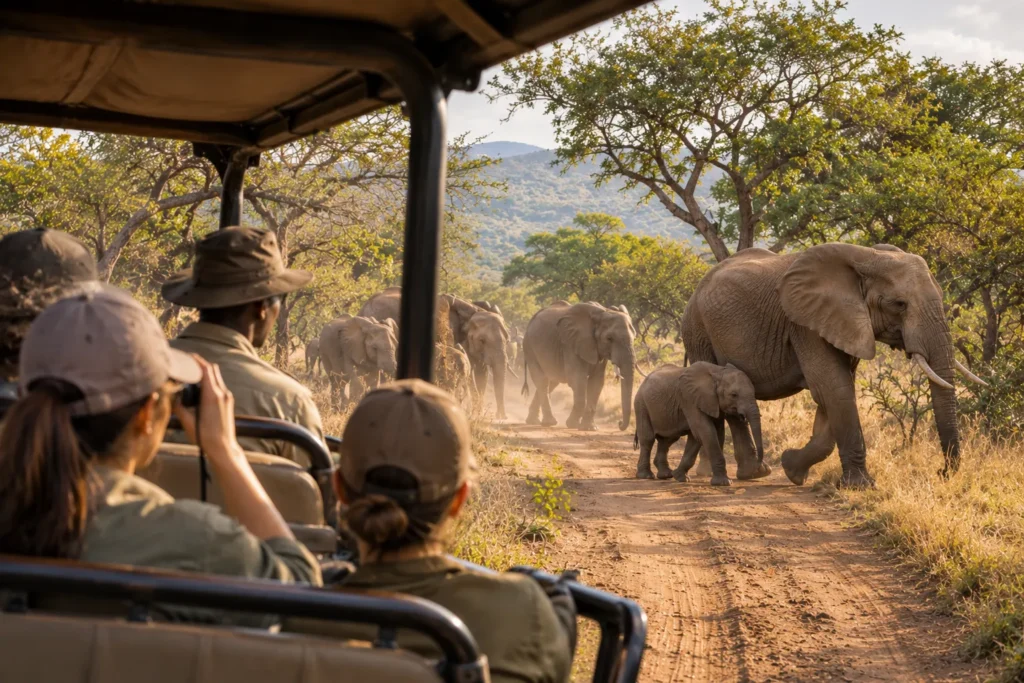
Choosing the best time to visit Kruger National Park depends on what you want to experience during your South African safari. While some travelers dream of spotting the Big Five around shrinking waterholes, others are drawn to lush landscapes, newborn animals, exceptional birdwatching or quieter game drives.
Kruger is a year-round safari destination, but its seasonal changes significantly influence wildlife behaviour, vegetation, temperatures and travel conditions.
Generally, May to September is the best time to visit Kruger National Park for wildlife viewing, while the warmer months offer excellent opportunities for birdwatching, photography and experiencing the bush at its greenest.
This month-by-month guide explores how Kruger changes throughout the year, helping you choose the ideal travel dates based on your safari priorities.
Understanding Kruger National Park’s seasons
Kruger has a subtropical climate characterised by dry winters and hot, rainy summers. As South Africa is located in the Southern Hemisphere, its seasons are reversed compared with Europe and North America.
Dry season: May to September
The dry season is traditionally considered the best period for classic safari experiences.
As rainfall decreases, vegetation becomes thinner and temporary water sources gradually disappear. Animals increasingly depend on permanent rivers, dams and waterholes, making their movements more predictable.
Daytime temperatures are generally comfortable, although early morning and evening game drives can feel surprisingly cold.
This season is particularly suitable for first-time safari travelers, wildlife enthusiasts and visitors hoping to maximise their opportunities to encounter the Big Five.
Wet season: October to March
Summer rainfall transforms Kruger’s dry landscapes into a vibrant green wilderness. Rivers swell, trees develop fresh foliage and seasonal water sources attract a wide variety of wildlife.
Migratory birds arrive, many antelope species give birth, and dramatic thunderstorms create spectacular photographic conditions.
However, thicker vegetation and widespread water availability can make large mammals more difficult to locate.
April represents a transitional period between the wet and dry seasons, combining characteristics of both.
Best time to visit Kruger National Park at a glance
| Priority | Recommended months |
|---|---|
| Big Five sightings | May to September |
| First-time safari | May to September |
| Waterhole wildlife encounters | August to September |
| Birdwatching | November to March |
| Newborn wildlife | November to January |
| Green landscape photography | December to March |
| Comfortable daytime temperatures | April, May and September |
| Lower accommodation prices | February to March, outside holidays |
| Fewer crowds | February, March and May, outside holidays |
| Guided walking safaris | May to September |
| Family safaris | May to September |
Kruger National Park month-by-month guide
January: Lush landscapes and abundant birdlife
January falls within the height of Kruger’s summer rainy season. Days are hot and humid, with occasional thunderstorms and temperatures that can exceed 35°C.
The park is beautifully green, and migratory birds are abundant. Young antelopes are particularly visible, creating opportunities to observe family interactions and predator activity.
Heavy rainfall can occasionally affect road access, while dense vegetation makes wildlife spotting more challenging.
Best for: Birdwatching, newborn animals and green-season photography.
February: Green-season adventures and quieter safaris
February remains hot and humid, with regular rainfall and flourishing vegetation.
With the main festive holiday period over, some areas become quieter, and selected accommodation providers may offer more attractive rates.
Wildlife remains widely distributed because water is readily available throughout the park. Nevertheless, patient visitors can enjoy rewarding encounters in spectacular natural surroundings.
Best for: Budget-conscious travelers, birdwatchers and quieter safari experiences.
March: Late-summer wildlife and dramatic scenery
March marks the gradual approach of autumn, although temperatures remain warm and rainfall is still possible.
The bush is typically lush, rivers may carry substantial water, and birdwatching remains excellent before many migratory species depart.
March is particularly appealing to photographers interested in dramatic skies, rich colours and atmospheric wildlife portraits.
Best for: Landscape photography, birdwatching and travelers seeking alternatives to peak-season safaris.
April: The transition towards winter
April offers a pleasant combination of warm days, cooler evenings and gradually decreasing rainfall.
The landscape often retains its summer greenery, but vegetation begins changing as the dry season approaches.
Wildlife viewing can improve as seasonal water sources start disappearing. However, Easter and local school holidays may increase visitor numbers.
Best for: Balanced weather, scenic game drives and travelers who prefer moderate temperatures.
May: The beginning of the dry season
May is one of the most attractive months for travelers seeking a balance between excellent wildlife viewing, comfortable weather and potentially quieter conditions.
Rainfall becomes less frequent, vegetation gradually thins, and animals begin spending more time around reliable water sources.
Early mornings become cooler, but daytime conditions are generally pleasant.
Best for: First-time safaris, wildlife photography and avoiding the busiest winter travel periods.
June: Excellent wildlife visibility and cooler mornings
June marks the beginning of South Africa’s winter, bringing dry conditions and increasingly favourable wildlife visibility.
As grasses become shorter and bushes lose foliage, spotting animals becomes easier. Predator sightings can be particularly rewarding.
Morning game drives can be cold, especially in open safari vehicles, so warm clothing is essential.
Best for: Big Five sightings, guided safaris and travelers who prefer cooler weather.
July: Classic winter safari experiences
July is among Kruger’s driest and coolest months.
Wildlife increasingly gathers around permanent water sources, while sparse vegetation provides excellent visibility across many habitats.
South African school holidays can make popular rest camps and southern wildlife routes busier. Accommodation should be reserved well in advance.
Best for: Traditional dry-season safaris, Big Five encounters and family holidays.
August: Outstanding waterhole sightings
By August, the landscape has become considerably drier, and wildlife activity around rivers and waterholes can be exceptional.
Elephants, buffaloes, zebras and other animals frequently visit remaining water sources, creating rewarding opportunities to observe interactions between different species.
Days gradually become warmer, although mornings can remain chilly.
Best for: Wildlife viewing, waterhole photography and predator tracking.
September: Peak dry-season wildlife viewing
September is often considered one of the best individual months to visit Kruger National Park.
Vegetation remains sparse, water sources are limited, and wildlife concentrations around permanent rivers and waterholes can be impressive.
Temperatures begin rising as spring approaches, offering warmer game drives without the consistently intense heat of midsummer.
Best for: Big Five sightings, first-time visitors and exceptional wildlife photography.
October: Rising temperatures and the first rains
October is a transitional month characterised by increasingly hot days and the possibility of early seasonal rainfall.
Wildlife viewing can remain excellent before substantial rains arrive, particularly around established water sources.
The first thunderstorms may trigger noticeable changes in vegetation and animal movements.
Best for: Travelers seeking late dry-season wildlife encounters and warmer temperatures.
November: The return of green landscapes and newborn wildlife
November often brings fresh vegetation, increasing rainfall and the arrival of migratory birds.
Many impalas begin giving birth around this period, although exact timing varies. The presence of vulnerable young animals can also attract predators.
Temperatures and humidity increase as summer approaches.
Best for: Newborn animals, birdwatching and seasonal wildlife behaviour.
December: Summer safaris and festive holidays
December offers lush scenery, abundant birdlife and excellent opportunities to observe young animals.
Longer daylight hours provide additional opportunities to enjoy the wilderness, although midday temperatures can be intense.
The festive season is particularly popular with domestic travelers, making advance accommodation and day-visitor reservations advisable.
Best for: Family holidays, green-season photography and birdwatching.
Choosing the best time to visit Kruger based on your priorities
Best time for Big Five sightings
If encountering lions, leopards, elephants, buffaloes and rhinos is your main priority, August and September are particularly attractive.
Limited water availability encourages wildlife to gather around permanent water sources, while reduced vegetation improves visibility.
However, the Big Five can be encountered throughout the year, and no season guarantees sightings of every species.
Best time for wildlife photography
The ideal season for photography depends on the images you want to capture.
The dry season offers clearer views of animals, golden landscapes and opportunities to photograph wildlife gathering around waterholes.
The wet season provides vibrant backgrounds, dramatic skies, newborn animals and colourful birds. November and December can be especially rewarding for photographers interested in wildlife behaviour and intimate animal portraits.
Best time for birdwatching
November to March is generally the most rewarding period for birdwatching in Kruger.
Summer migrants join resident bird populations, breeding activity increases, and seasonal wetlands attract additional species.
Northern Kruger, particularly the Pafuri region, is an excellent area for dedicated birdwatching enthusiasts.
Best time for affordable safaris and fewer crowds
February and March can offer attractive opportunities for budget-conscious travelers, particularly outside school holidays and special events.
Some private lodges offer seasonal promotions, while accommodation availability may improve compared with popular winter travel dates.
May is another excellent option for travelers who want favourable wildlife viewing conditions without necessarily visiting during the busiest months.
Best time for families and first-time visitors
May to September provides relatively comfortable daytime temperatures, predictable seasonal conditions and excellent wildlife visibility.
Families traveling with younger children may particularly appreciate May and September, when early morning temperatures are generally less severe than during midwinter.
Malaria risk is usually lower during the cooler, drier months, although Kruger remains a malaria-risk destination throughout the year. Seek professional travel health advice regardless of your travel dates.
When should you visit Kruger National Park?
There is no single perfect month for every safari traveler. Kruger’s seasonal diversity is part of what makes it such an extraordinary destination.
Choose August or September for exceptional dry-season wildlife viewing, May for a balanced safari experience, or November to February for newborn animals, migratory birds and beautifully green landscapes.
Whatever season you choose, allow enough time to explore different habitats, embrace unexpected wildlife encounters and experience the wilderness at its natural pace.
Explore more of our WhySafari guides for destination insights, accommodation recommendations and practical advice to help you plan an unforgettable Kruger National Park safari.
Frequently asked questions
January is typically among the hottest months in Kruger, alongside December and February. Afternoon temperatures can exceed 35°C, particularly during heatwaves and in lower-lying areas.
July is generally the coldest month. Although daytime temperatures are often pleasant, temperatures before sunrise can fall into single digits, making warm layers essential for morning game drives.
No, Kruger generally remains open throughout the year. However, heavy rainfall and flooding can temporarily affect individual roads, bridges, camps and entrance gates.
Booking six to eleven months ahead is advisable for popular rest camps and sought-after private lodges during peak periods. Availability varies depending on accommodation type and travel dates.
Yes. Lions and leopards remain within the ecosystem throughout the year. Dense vegetation can make them harder to locate, but experienced guides can improve your chances of encountering them.
Yes. Entrance and camp gate schedules vary seasonally according to daylight hours. Always check the official schedule before planning your daily safari routes.
Generally, yes. Both destinations share similar seasonal weather patterns. However, professional tracking and permitted off-road driving in certain private reserves may help visitors locate wildlife during periods of thicker vegetation.
Absolutely. However, Cape Town experiences cooler, wetter conditions during South Africa’s winter, unlike Kruger’s predominantly dry winter weather. Pack appropriately for both destinations.
Game drives often continue during light rainfall. Severe thunderstorms, flooding or unsafe road conditions may require guides to modify routes, postpone activities or cancel excursions.
October can be an excellent choice for couples who enjoy warm weather, intimate safari lodges and potentially rewarding late dry-season wildlife encounters. Be prepared for high temperatures and possible early summer thunderstorms.