An African safari is often a lifelong dream, and there’s no age limit on experiencing the continent’s incredible wildlife. In fact, many travelers choose to visit Africa after retirement, when they have more time to enjoy longer journeys and immersive experiences.
While safaris are accessible to most healthy older adults, preparing for the trip requires a little more planning than packing a suitcase. Long international flights, remote locations, varying climates, and medical considerations all deserve attention before departure.
The good news is that thousands of seniors safely enjoy African safaris every year. With proper medical advice, the right destination, and thoughtful preparation, you can focus on the excitement of seeing elephants at sunrise, watching lions on the hunt, or enjoying peaceful evenings overlooking the bush.
This guide covers the most important travel health considerations for seniors planning a safari, helping you travel comfortably, safely, and with confidence.
Start with a pre-travel medical check-up
The best safari preparation begins several weeks before departure. Schedule a visit with your primary care physician or a travel medicine specialist at least six to eight weeks before your trip.
During your appointment, discuss your itinerary, including the countries you’ll visit, the time of year, and the type of safari you’ve booked. Your doctor can review your overall health, ensure chronic conditions are well managed, recommend destination-specific vaccinations, and advise whether malaria prevention is appropriate.
If you have heart disease, diabetes, arthritis, respiratory conditions, or other ongoing medical concerns, ask whether any adjustments to medication or travel plans are recommended.
A pre-travel consultation also provides an opportunity to discuss jet lag, dehydration, altitude (if your itinerary includes mountainous regions), and strategies for staying healthy during long-haul flights.
Understand vaccination requirements
Vaccination recommendations vary depending on where you’re traveling in Africa. Some destinations require proof of certain vaccinations for entry, while others only recommend them based on local health risks.
Common travel vaccinations may include protection against hepatitis A, hepatitis B, typhoid, tetanus, and other preventable diseases. Some countries require proof of yellow fever vaccination if you’re arriving from or transiting through an area where the disease occurs.
Vaccination requirements can change, so always rely on official government guidance and advice from your healthcare provider rather than outdated online information.
If you receive multiple vaccinations, allow enough time before departure for your body to respond and for any mild side effects to resolve.
Know whether your safari is in a malaria area
One of the biggest health questions for safari travelers is malaria. Not every safari destination is considered a malaria-risk area, but several famous parks—including parts of Botswana, Zambia, Zimbabwe, Mozambique, Tanzania, Uganda, and some regions of South Africa—do require additional precautions.
If your itinerary includes a malaria-risk destination, your doctor may prescribe preventive medication. Different medications have different schedules, so follow the instructions carefully before, during, and after your trip.
Medication is only one part of malaria prevention. Seniors should also:
- Wear long sleeves and long trousers after sunset.
- Apply insect repellent containing an effective active ingredient.
- Sleep under mosquito protection where provided.
- Keep accommodation doors and windows closed when appropriate.
If you develop flu-like symptoms during your trip or within several weeks after returning home, seek medical attention immediately and tell your doctor about your recent travel.
Managing prescription medications
If you take regular medication, preparation is essential. Bring enough medication for your entire trip, plus extra in case of unexpected travel delays.
Keep medications in their original labeled containers and carry them in your hand luggage rather than checked baggage. It’s also wise to carry a printed medication list that includes generic drug names, dosages, and your doctor’s contact information.
If any medication requires refrigeration or has special storage instructions, confirm in advance that your accommodation can meet those requirements.
Travelers with medical devices such as CPAP machines, insulin supplies, hearing aids, or mobility equipment should also verify airline policies and available electrical outlets at safari lodges.
Choosing the right safari style
Not all safaris are physically demanding. In fact, many luxury safaris are designed for comfort, making them ideal for older travelers.
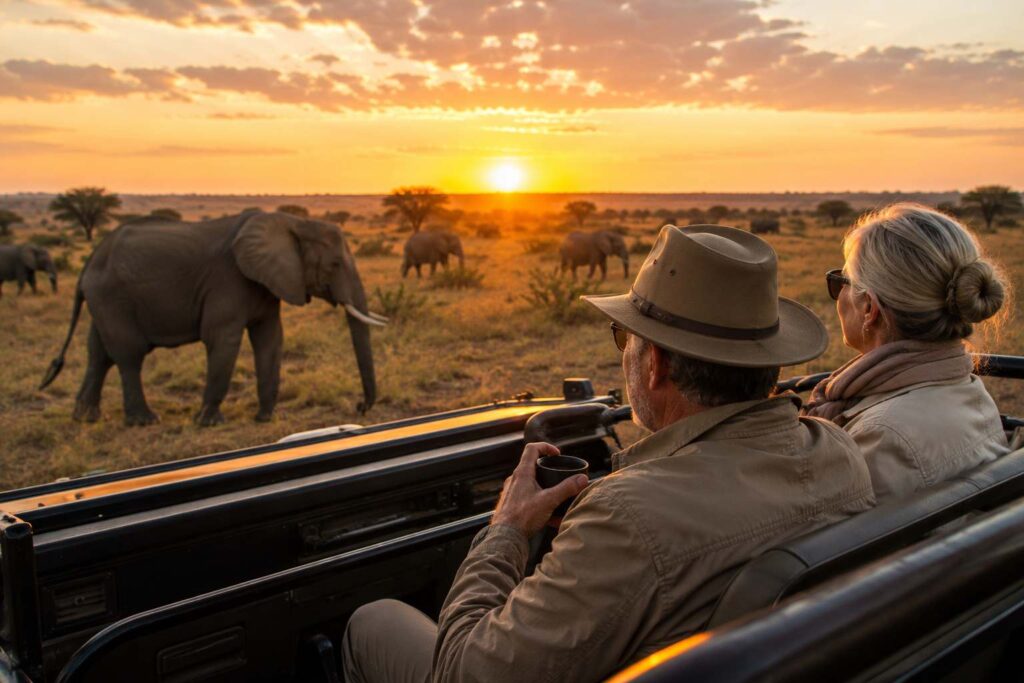
Traditional game drives involve sitting in specially designed safari vehicles while professional guides search for wildlife. There is very little walking, and many lodges offer vehicles with comfortable seating and frequent opportunities to stretch.
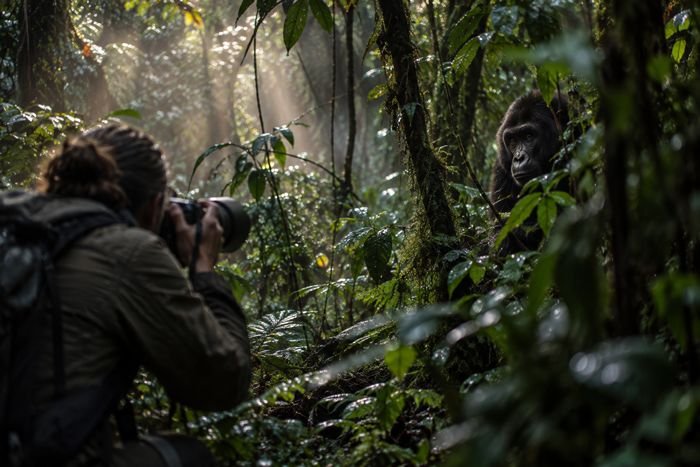
If you’re interested in walking safaris, canoe safaris, or mountain gorilla trekking, discuss the physical requirements with your tour operator before booking. Many safari companies can recommend itineraries suited to different mobility levels.
The best safari is not necessarily the most adventurous one—it’s the one that matches your fitness, interests, and comfort.
Staying hydrated and avoiding heat-related illness
Many safari destinations experience warm temperatures throughout much of the year. Dehydration can develop gradually, especially during game drives when travelers may not realize how much fluid they are losing.
Drink water regularly, even if you don’t feel thirsty. Limit excessive alcohol during the hottest parts of the day and be cautious with caffeine if you’re prone to dehydration.
Wear lightweight clothing, a wide-brimmed hat, and sunscreen with a high SPF. During midday heat, many safari camps naturally schedule downtime before afternoon activities begin.
Taking advantage of these rest periods helps conserve energy and reduces the risk of heat exhaustion.
Preventing stomach illnesses
Digestive problems are among the most common travel-related health issues. Fortunately, reputable safari lodges maintain excellent hygiene standards, and food safety is generally very good.
Still, it’s wise to take simple precautions:
- Wash or sanitize your hands before eating.
- Drink treated or bottled water where recommended.
- Avoid consuming untreated water from natural sources.
- Peel fruit when appropriate if you’re unsure how it was prepared.
Packing oral rehydration salts and over-the-counter medication for mild digestive upset can provide extra peace of mind.
Staying active during long journeys
Travel to Africa often involves long international flights, airport transfers, and several hours in safari vehicles.
To reduce stiffness and improve circulation:
- Walk around during long flights whenever it’s safe.
- Stretch your legs regularly.
- Stay hydrated.
- Consider compression socks if recommended by your doctor.
- Take short walks around camp between game drives.
These simple habits can make a significant difference, especially for travelers with circulation concerns or arthritis.
Travel insurance is especially important
Medical care in major African cities can be excellent, but safari destinations are often located in remote wilderness areas.
Choose comprehensive travel insurance that includes:
- Emergency medical treatment
- Medical evacuation
- Trip cancellation and interruption
- Coverage for pre-existing medical conditions if applicable
Read the policy carefully to understand exclusions and coverage limits before departure.
If your safari includes charter flights between camps, verify that these activities are covered under your policy.
Preparing for remote locations
One of the joys of safari travel is visiting wild places far from busy cities. However, this also means medical facilities may not be immediately available.
Most reputable safari operators maintain communication systems and emergency evacuation procedures. Guides are trained in first aid, and many camps have emergency response protocols in place.
Share important medical information with your tour operator before arrival. Let them know about allergies, mobility limitations, dietary restrictions, or any conditions that could require assistance during your stay.
The more your guides know, the better prepared they are to support you if needed.
Mental well-being and enjoying the pace
Safari travel is not about rushing from one attraction to another. The experience naturally encourages a slower rhythm, making it particularly enjoyable for many senior travelers.
Early morning game drives are balanced by leisurely breakfasts, afternoon relaxation, and peaceful evenings around the campfire. Taking breaks, listening to your body, and avoiding over-packed itineraries helps you enjoy every wildlife encounter without unnecessary fatigue.
Many older travelers find that safari is one of the most rewarding forms of travel precisely because it encourages mindfulness, patience, and appreciation for nature.
Conclusion
Age should never discourage you from experiencing an African safari. With thoughtful preparation, appropriate medical advice, comprehensive travel insurance, and a safari itinerary suited to your needs, older travelers can safely enjoy some of the world’s most extraordinary wildlife destinations.
By planning ahead and prioritizing your health, you’ll be free to focus on unforgettable game drives, breathtaking landscapes, and the unique sense of wonder that only an African safari can provide.
For more expert safari planning advice, destination guides, and practical travel tips, continue exploring the WhySafari blog.
FAQs
There is no ideal age. Many travelers enjoy their first safari in their 60s, 70s, or even later, provided they are in reasonable health and choose an itinerary suited to their abilities.
Yes. Many luxury lodges offer spacious accommodations, excellent dining, medical support arrangements, and minimal walking between facilities.
Not necessarily. Many older travelers safely visit malaria areas every year by taking prescribed preventive medication and following mosquito protection measures recommended by their doctor.
Yes, especially with reputable tour operators or small-group safaris. Many camps welcome solo travelers and provide personalized assistance throughout the journey.
In most cases, yes. Folding walkers, canes, and other mobility aids can often be accommodated, but discuss your requirements with your safari operator before booking.
Most classic game-drive safaris require very little walking. Activities generally involve entering and exiting safari vehicles, short walks around camp, and optional nature walks.
Bring copies of prescriptions, a list of medications using generic names, proof of travel insurance, emergency contact information, and any relevant medical summaries if you have chronic conditions.