Ask someone about the best time to visit Kruger National Park, and they’ll often recommend the dry winter months between May and September. While it’s true that wildlife is generally easier to spot during this period, that advice sometimes creates the impression that the wet season should be avoided.
In reality, Kruger’s rainy season offers a completely different safari experience—one that’s greener, quieter, more affordable, and surprisingly rewarding.
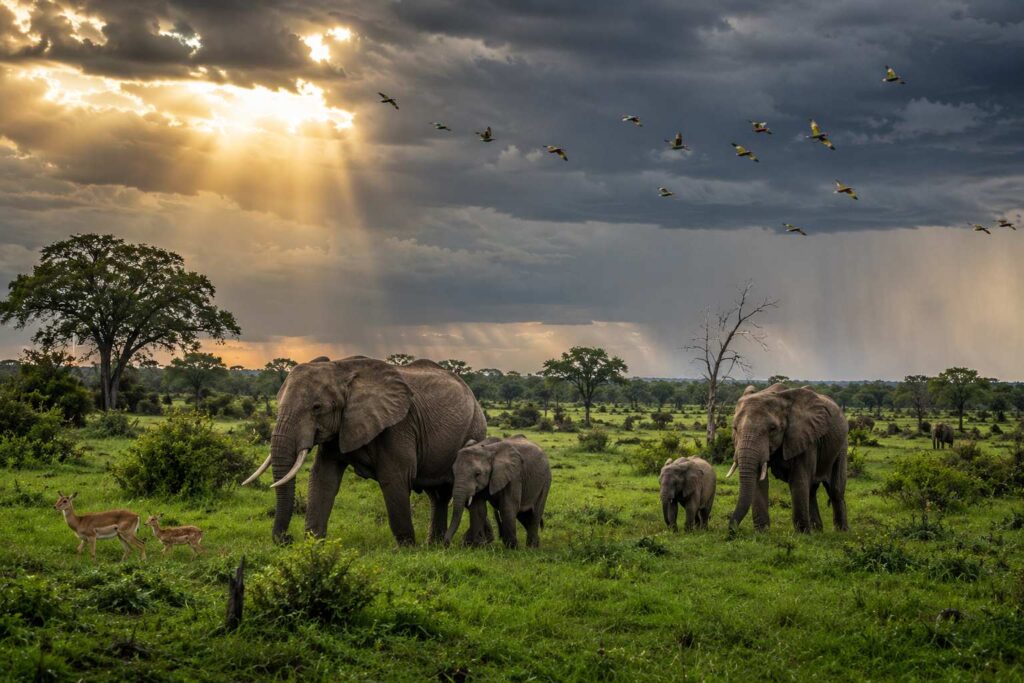
Instead of dry grasslands and crowded waterholes, you’ll find lush landscapes, dramatic thunderstorms, newborn animals, spectacular birdlife, and fewer safari vehicles. Wildlife may be more dispersed, but the park feels alive in a way that’s impossible to experience during the dry season.
If you’re wondering whether it’s worth visiting Kruger during the rains, the answer is yes. Here’s why the wet season deserves a place on your safari shortlist.
When is Kruger’s wet season?
Kruger’s wet season generally runs from November through March, although rainfall varies from year to year.
Most rain falls as short but intense afternoon or evening thunderstorms rather than all-day downpours. Mornings are often sunny, making early game drives just as enjoyable as they are during the dry season.
Temperatures are warmer, humidity is higher, and vegetation grows rapidly following each rainfall.
Rather than disrupting a safari, the rains help transform the park into one of South Africa’s most vibrant landscapes.
The park becomes incredibly green
One of the biggest surprises for first-time wet-season visitors is just how beautiful Kruger looks.
Dry grasslands turn emerald green, rivers flow more strongly, wildflowers bloom, and trees produce fresh leaves that completely change the appearance of the landscape.
Photographers often love this season because:
- Colors are richer.
- Dust is greatly reduced.
- Dramatic storm clouds create spectacular skies.
- Rivers and waterholes appear more scenic.
- Golden evening light following rain is exceptional.
The scenery feels fresh, alive, and full of energy.
Baby animals are everywhere
The rainy season coincides with the birth season for many herbivores.
Visitors frequently see:
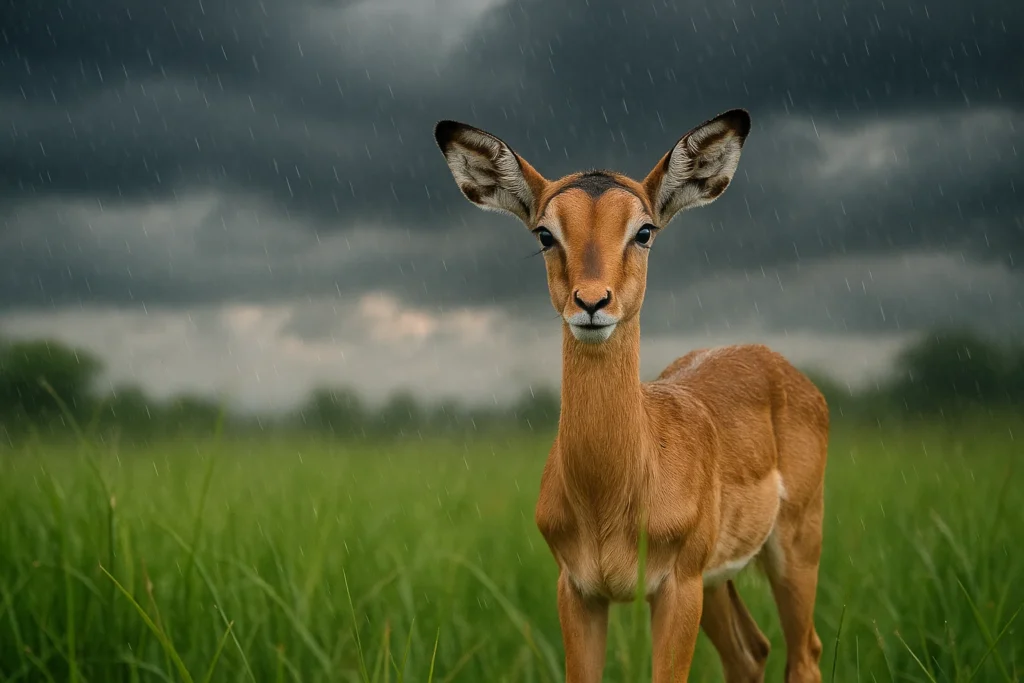
- Young impalas
- Wildebeest calves
- Zebra foals
- Warthog piglets
- Baby giraffes
- Juvenile antelope
Watching these young animals take their first uncertain steps adds a special charm to every game drive.
Naturally, the arrival of newborn prey also increases predator activity, creating fascinating wildlife interactions.
Predator sightings can still be excellent
A common misconception is that predators disappear during the wet season.
They don’t.
Lions, leopards, cheetahs, hyenas, and wild dogs remain active throughout the year.
While taller grass sometimes makes animals slightly harder to spot, predators continue hunting regularly because young herbivores are abundant.
Experienced guides know how to interpret alarm calls, tracks, and animal behavior even when vegetation is thicker.
Patience often leads to rewarding sightings.
Birdwatching reaches its peak
For bird enthusiasts, the wet season is arguably Kruger’s finest time of year.
Hundreds of migratory bird species arrive from Europe and other parts of Africa, dramatically increasing the park’s diversity.
Many resident birds also display spectacular breeding plumage.
Visitors may encounter:
- European bee-eaters
- Carmine bee-eaters
- Woodland kingfishers
- Rollers
- Storks
- Raptors
- Herons
- Weavers in breeding colors
Whether you’re a dedicated birder or simply enjoy wildlife in general, the variety is remarkable.
Fewer crowds, more peaceful safaris
One of the greatest advantages of the wet season is lower visitor numbers.
Outside holiday periods, roads are noticeably quieter than during the dry winter safari peak.
This often means:
- Less traffic at wildlife sightings.
- Easier accommodation availability.
- More peaceful game drives.
- A stronger sense of wilderness.
For many experienced safari travelers, this quieter atmosphere is one of the season’s biggest attractions.
Better availability and lower prices
Traveling during the wet season often provides excellent value.
Many safari lodges, guesthouses, and nearby accommodations reduce rates outside peak tourism months.
Visitors also enjoy greater flexibility when booking:
- Accommodation
- Guided safaris
- Rental vehicles
- Flights
If you’re traveling on a tighter budget, the wet season can make a Kruger safari significantly more affordable.
Afternoon storms add to the experience
Kruger’s thunderstorms are among the park’s most dramatic natural spectacles.
Towering clouds build during the afternoon before releasing brief but powerful showers accompanied by lightning and rolling thunder.
These storms usually pass quickly, leaving behind cooler air, fresh scents, and beautiful evening light.
Watching wildlife continue feeding beneath distant storm clouds creates unforgettable safari memories.
Many photographers actively hope for these dramatic weather conditions.
Wildlife viewing requires a different approach
The wet season doesn’t reduce wildlife—it changes how you find it.
Because water is available across a much larger area, animals no longer need to gather around the same rivers and waterholes.
Instead, they spread throughout the landscape.
This means game drives often focus more on:
- Reading animal behavior.
- Looking carefully through vegetation.
- Spending longer at sightings.
- Exploring quieter roads.
The safari becomes more about discovery than simply moving between crowded wildlife hotspots.
Is self-driving still a good option?
Absolutely.
Kruger’s road network remains accessible throughout most of the rainy season.
Main tar roads and many gravel roads remain in excellent condition, although occasional heavy rainfall may temporarily affect some smaller routes.
Visitors should:
- Check weather forecasts.
- Drive cautiously after storms.
- Allow extra travel time.
- Avoid unnecessary speeding on wet roads.
A standard rental vehicle remains suitable for most visitors.
What to pack for a wet-season safari
Packing is straightforward with a little preparation.
Bring:
- Lightweight clothing
- Waterproof jacket
- Quick-drying shoes
- Binoculars
- Sunscreen
- Insect repellent
- Camera rain cover
- Hat
Temperatures can remain warm even after rain, so breathable clothing is usually more important than heavy waterproof gear.
Who should visit during the wet season?
The rainy season is especially well suited to travelers who:
- Love photography.
- Enjoy birdwatching.
- Prefer fewer crowds.
- Want greener landscapes.
- Appreciate lower travel costs.
- Have already experienced a dry-season safari.
Families also often enjoy the abundance of young animals and colorful scenery.
If your only goal is seeing as much wildlife as possible in the shortest time, the dry season may still offer a slight advantage. But for travelers seeking a richer overall nature experience, the wet season has enormous appeal.
Why many experienced safari travelers love the green season
Ask repeat visitors about their favorite time in Kruger, and many will choose the wet season.
The combination of lush landscapes, dramatic skies, active birdlife, newborn animals, and peaceful roads creates a safari that feels more intimate and less predictable.
Instead of concentrating solely on the Big Five, visitors often begin appreciating the entire ecosystem—from flowering trees to insects, reptiles, birds, and changing weather patterns.
It’s a reminder that safari is about far more than simply spotting wildlife.
Conclusion
Kruger’s wet season may not offer the easiest wildlife viewing, but it rewards travelers with something equally valuable: vibrant landscapes, exceptional birdlife, newborn animals, fewer crowds, and a more peaceful safari atmosphere.
Rather than avoiding the rains, consider embracing them. With the right expectations, flexible planning, and a sense of adventure, you’ll discover a side of Kruger that many visitors never experience—and one that countless seasoned safari-goers return to year after year.
For more Kruger travel guides, seasonal safari advice, and destination comparisons, continue exploring the WhySafari blog.
FAQs
No. Wildlife is slightly harder to spot because vegetation is denser, but the park is greener, quieter, and full of newborn animals and migratory birds.
Usually not. Most rainfall comes as afternoon or evening thunderstorms, while mornings are often sunny and excellent for game drives.
Yes. Most roads remain open, although occasional heavy rainfall may temporarily affect some gravel routes.
Absolutely. Rich colors, dramatic clouds, reflections after rain, and lush landscapes make this one of Kruger’s most photogenic seasons.
Many antelope species, zebras, wildebeest, warthogs, and giraffes give birth during the rainy months, creating wonderful wildlife viewing opportunities.
Yes. Warmer temperatures and standing water increase mosquito activity, so insect repellent and destination-appropriate malaria precautions are recommended where applicable.
Generally yes. Outside holiday periods, many accommodations and safari packages offer lower rates than during the peak dry season.