Samburu National Reserve offers one of Kenya’s most distinctive safari experiences. Famous for its rugged landscapes, unique wildlife, and rich Samburu culture, it attracts travelers looking for something beyond the traditional game drive.
But many first-time visitors wonder what activities are actually permitted. Can you go on a night safari? Are walking safaris allowed? Can you visit local communities? The answer depends on where you’re staying and whether you’re inside the national reserve or a neighboring private conservancy.
Understanding these differences before booking can help you choose the safari experience that best matches your interests.
Understanding the difference between the reserve and private conservancies
One of the most important things to know is that Samburu National Reserve and the surrounding private conservancies operate under different management rules.
Inside the national reserve, wildlife activities are regulated by the relevant conservation authorities to minimize disturbance and protect the ecosystem. As a result, certain activities are restricted.
Many neighboring conservancies, however, operate under separate management agreements that allow a broader range of low-impact safari experiences while maintaining strict conservation standards.
This distinction explains why some lodges advertise activities that others cannot offer.
Traditional game drives
Game drives are the main safari activity throughout Samburu National Reserve.
Morning and afternoon drives provide excellent opportunities to see:
- Lions
- Leopards
- Elephants
- Grevy’s zebras
- Reticulated giraffes
- Gerenuks
- Beisa oryx
- Somali ostriches
- Crocodiles
- Hippos
- Hundreds of bird species
Professional guides carefully follow designated roads while interpreting wildlife behavior, ecology, and the unique adaptations that allow animals to thrive in Samburu’s semi-arid environment.
Because visitor numbers remain relatively low compared to some of Kenya’s more famous parks, sightings often feel relaxed and uncrowded.
Are night drives allowed?
This is one of the most common questions—and the answer depends on your location.
Inside Samburu National Reserve
Night drives are generally not permitted inside the national reserve.
Like many publicly managed protected areas in Kenya, safari activities typically end before sunset to reduce disturbance to nocturnal wildlife and maintain consistent conservation policies.
Visitors staying inside the reserve should not expect after-dark game drives.
In private conservancies
Several private conservancies surrounding Samburu are permitted to offer guided night drives.
These excursions reveal a completely different side of the African bush.
Guests may encounter:
- Leopards hunting
- Civets
- Genets
- Bush babies
- Porcupines
- Aardwolves (occasionally)
- Owls
- Hyenas
- Smaller nocturnal mammals
For wildlife enthusiasts and photographers, night drives can become one of the highlights of a northern Kenya safari.
Are bush walks allowed?
Again, the answer depends on where you stay.
Walking inside the reserve
General walking safaris are not typically offered within Samburu National Reserve itself.
Visitors usually remain inside safari vehicles except at designated picnic sites or accommodation areas where it is considered safe.
Walking in conservancies
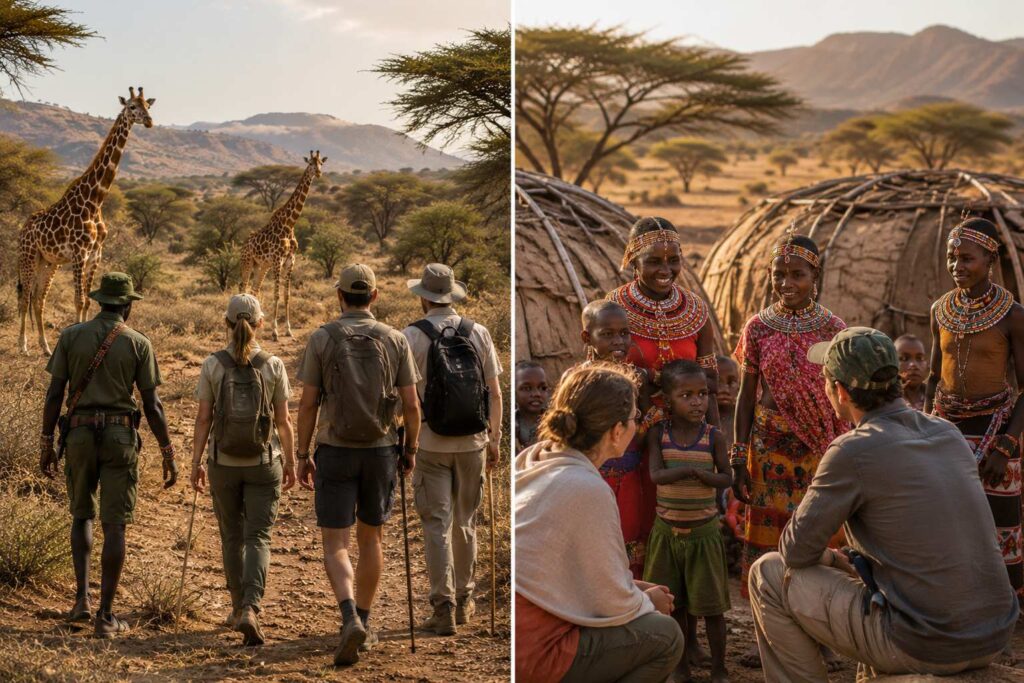
Many neighboring conservancies offer professionally guided bush walks.
These experiences focus less on large mammals and more on understanding the ecosystem from ground level.
During a walk, guides explain:
- Animal tracks
- Bird calls
- Medicinal plants
- Insects
- Trees
- Traditional bush knowledge
- The relationships between wildlife and habitat
Walking allows guests to appreciate details that are often overlooked during vehicle-based safaris.
As with all walking safaris, safety briefings and experienced guides are essential parts of the experience.
Cultural visits with the Samburu people
One of Samburu’s greatest strengths is the opportunity to learn about the region’s living culture.
Many lodges organize respectful visits to nearby Samburu communities, where guests can gain insight into traditions that have been maintained for generations.
Depending on the community and the visit, you may learn about:
- Traditional livestock herding
- Beadwork and craftsmanship
- Family life
- Music and dance
- Local architecture
- Cultural ceremonies
- Daily life in northern Kenya
Responsible cultural tourism should always prioritize genuine interaction, community leadership, and fair economic benefits for local residents.
Rather than treating villages as tourist attractions, the best experiences encourage mutual learning and respectful cultural exchange.
Birdwatching
Birdwatching is permitted throughout the reserve and surrounding conservancies.
Samburu’s varied habitats—including riverine forests, acacia woodland, rocky hills, and open savannah—support more than 450 recorded bird species.
Popular sightings include:
- Vulturine guineafowl
- Martial eagle
- Secretary bird
- African fish eagle
- Hornbills
- Kingfishers
- Bee-eaters
- Sunbirds
- Numerous raptors
Dedicated birdwatching drives can often be arranged with specialist guides.
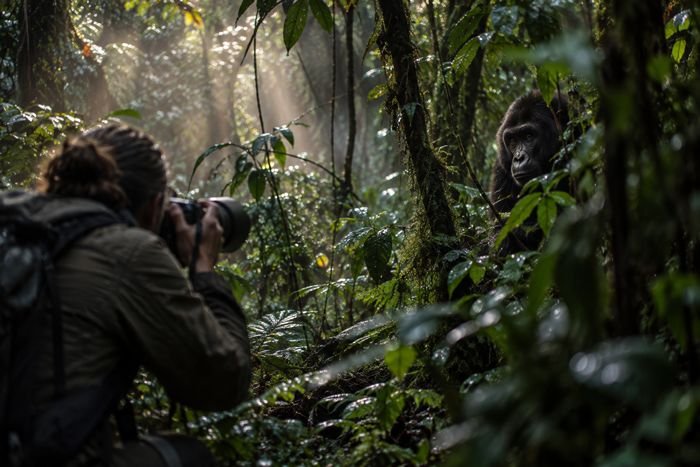
Photography
Photography is encouraged during game drives and cultural experiences, provided visitors follow guide instructions and respect both wildlife and local communities.
Good etiquette includes:
- Asking permission before photographing people.
- Avoiding flash photography near wildlife at night.
- Remaining inside vehicles where required.
- Never requesting that guides disturb animals for better photographs.
Some private conservancies also provide more flexibility for photographers by allowing vehicles to position carefully for improved lighting while remaining within conservation guidelines.
Activities for families
Families visiting Samburu can enjoy several educational experiences beyond traditional game drives.
Depending on the lodge, activities may include:
- Junior ranger programs
- Nature walks around camp (where appropriate)
- Wildlife tracking demonstrations
- Cultural storytelling
- Bird identification
- Conservation presentations
Age restrictions generally apply to bush walks and night drives because of safety considerations.
Families should confirm activity availability before booking.
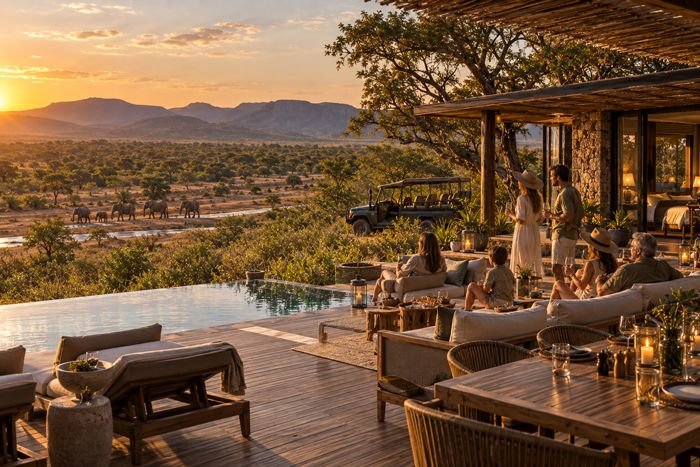
Choosing the right accommodation
The activities available during your safari depend largely on where you stay.
Lodges inside Samburu National Reserve
Typically offer:
- Day game drives
- Birdwatching
- Photography
- Cultural visits
- Relaxation between safaris
Lodges in private conservancies
Often include:
- Day game drives
- Night drives
- Guided bush walks
- Cultural visits
- Sundowners in exclusive locations
- More personalized safari experiences
If activities such as walking safaris or night drives are high on your priority list, selecting accommodation in a conservancy may be the better choice.
Which experience suits your travel style?
Choose the national reserve if you:
- Want classic wildlife viewing.
- Are visiting Samburu for the first time.
- Prefer traditional game drives.
- Have a flexible budget.
- Focus mainly on wildlife photography.
Choose a private conservancy if you:
- Want night drives.
- Enjoy guided walking safaris.
- Prefer fewer safari vehicles.
- Value exclusivity.
- Want a more varied safari itinerary.
Many travelers combine both, enjoying the famous wildlife of Samburu National Reserve alongside the additional activities available in nearby conservancies.
Conclusion
Samburu offers far more than daytime game drives. While the national reserve focuses on traditional wildlife viewing and conservation, the surrounding conservancies expand the experience with guided bush walks, night drives, and deeper cultural encounters.
Understanding what is—and isn’t—allowed helps you choose the right lodge and create an itinerary that matches your interests. Whether you’re searching for the Samburu Special Five, learning traditional bush skills on foot, or meeting local communities, Samburu delivers one of Kenya’s most diverse and rewarding safari experiences.
For more Kenya safari guides, destination comparisons, and expert planning advice, continue exploring the WhySafari blog.
FAQs
No. Night drives are generally not permitted inside the national reserve, but many nearby private conservancies offer professionally guided night safaris.
Guided bush walks are typically available in surrounding conservancies rather than inside the national reserve itself.
They can be when organized responsibly. Choose lodges that work closely with local Samburu communities, ensuring visits are community-led and provide direct economic benefits.
Usually yes, but always ask permission before photographing people and respect any community guidelines shared by your guide.
Traditional game drives provide excellent wildlife opportunities, while conservancy night drives and guided walks offer unique photographic perspectives unavailable in the reserve.
Age restrictions vary by operator, but guided bush walks generally have minimum age requirements for safety reasons.
Absolutely. Many visitors spend time in both, enjoying classic game drives in Samburu National Reserve alongside night drives and walking safaris in neighboring conservancies.