For many safari enthusiasts, Sabi Sand Game Reserve represents the pinnacle of the South African safari experience. Sharing an unfenced border with Kruger National Park, this legendary private reserve has earned a global reputation for luxury lodges, exceptional guiding, and some of the best leopard sightings anywhere in Africa.
Unlike a self-drive safari in Kruger, a stay in Sabi Sand is fully immersive. Expert guides and trackers lead every game drive, off-road driving is permitted for wildlife sightings, and strict limits on vehicle numbers create a more intimate experience.
If you’re wondering whether Sabi Sand is worth the premium price—or planning your first visit—this guide covers everything you need to know, from wildlife and accommodation to the best time to visit.
Where is Sabi Sand Game Reserve?
Sabi Sand Game Reserve is located on the southwestern edge of Kruger National Park in South Africa’s Mpumalanga Province.
Covering approximately 65,000 hectares (160,000 acres), the reserve shares an unfenced boundary with Kruger, allowing wildlife to move freely between the two protected areas.
Sabi Sand is made up of several privately managed properties and renowned safari lodges, all operating under strict conservation and tourism standards.
Although animals roam freely across the landscape, visitor numbers are carefully controlled, creating a more exclusive safari experience than the neighboring national park.
What makes Sabi Sand so famous?
Several factors have made Sabi Sand one of Africa’s most celebrated safari destinations.
These include:
- Outstanding leopard sightings
- Expert guides and Shangaan trackers
- Off-road game viewing
- Luxury accommodation
- Limited vehicle numbers
- Exceptional conservation
Many experienced safari travelers consider Sabi Sand one of the finest places in the world to observe big cats.
Wildlife: What can you expect to see?
Because there are no fences separating Sabi Sand from Kruger National Park, wildlife moves naturally throughout the Greater Kruger ecosystem.
Regular sightings include:
- Lions
- Leopards
- Elephants
- Buffalo
- Rhinos
- Cheetahs (occasionally)
- African wild dogs
- Spotted hyenas
- Giraffes
- Zebras
- Hippos
The reserve is home to an extraordinary diversity of mammals, reptiles, and birds, making every game drive unique.
Why are leopard sightings so exceptional?
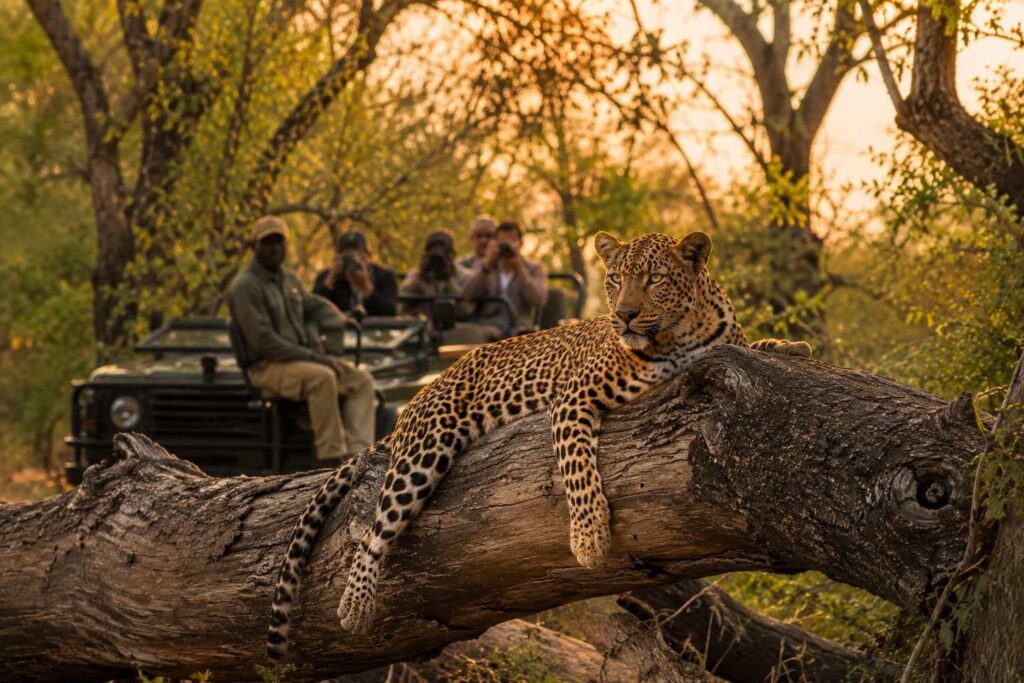
If Sabi Sand has one defining feature, it’s its leopards.
Unlike in many safari destinations where leopards remain elusive, here they are seen remarkably often.
Several reasons explain this reputation:
- Decades of responsible wildlife viewing
- Skilled trackers who interpret fresh spoor
- Off-road driving that allows vehicles to follow cats safely
- Habituated leopards that are comfortable with safari vehicles
This combination allows guests to witness behaviors rarely seen elsewhere, including hunting, territorial patrols, and mothers raising cubs.
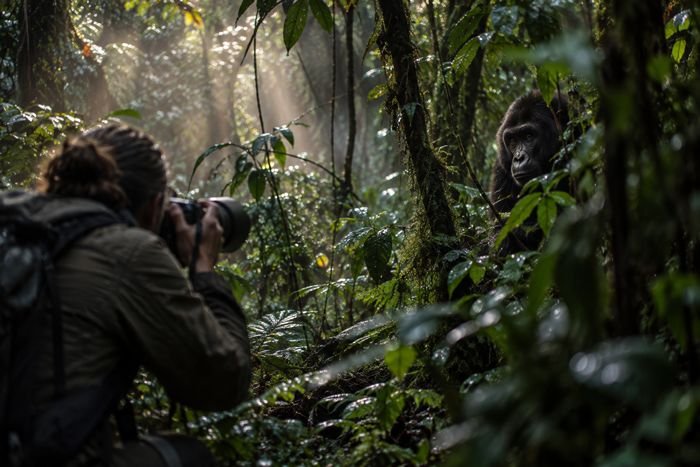
For photographers, Sabi Sand is often considered Africa’s premier leopard destination.
The Big Five and beyond
Sabi Sand offers excellent opportunities to see all members of the Big Five:
- Lion
- Leopard
- Elephant
- Buffalo
- Rhinoceros
Beyond these iconic animals, visitors frequently encounter:
- Honey badgers
- Civets
- Genets
- Servals
- Bush babies
- Numerous antelope species
Night drives also reveal many nocturnal animals that are seldom seen during the day.
Game drives: A different safari experience
Unlike Kruger’s public roads, Sabi Sand’s private roads allow guides greater flexibility.
Game drives usually take place:
- Early morning
- Late afternoon into the evening
One major advantage is that guides may leave established tracks when appropriate and permitted to maintain safe viewing distances while minimizing environmental impact.
Combined with expert tracking skills, this often leads to longer and more rewarding wildlife encounters.
Many lodges also include night drives, offering opportunities to spot elusive nocturnal species.
Walking safaris
Several lodges offer guided bush walks.
Led by highly trained armed guides, these walks focus on:
- Animal tracks
- Plants
- Birdlife
- Insects
- Ecology
- Smaller wildlife
Walking safaris provide a deeper understanding of the ecosystem beyond simply searching for large mammals.
Availability depends on lodge policies, weather, and wildlife conditions.
Where to stay in Sabi Sand
Accommodation is one of the reserve’s defining features.
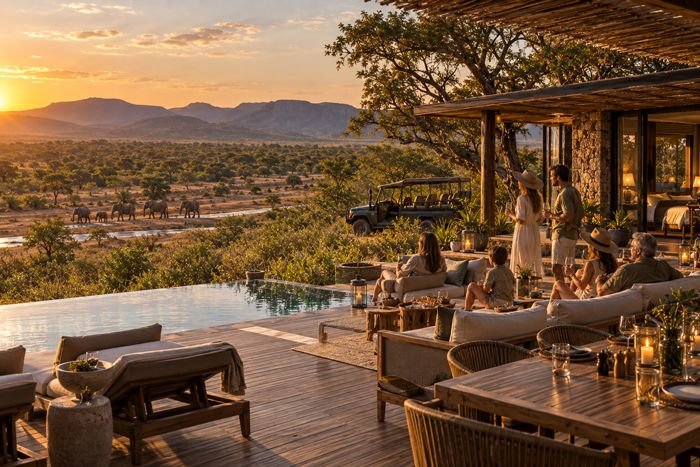
Options range from elegant safari lodges to ultra-luxury properties with world-class hospitality.
Luxury lodges
Ideal for travelers seeking:
- Gourmet dining
- Spa facilities
- Private plunge pools
- Personalized service
- Premium game viewing
Boutique safari camps
Perfect for guests who prefer:
- Smaller properties
- Intimate atmosphere
- Personalized guiding
- Relaxed luxury
Most lodges include:
- Accommodation
- All meals
- Two daily game drives
- Tea, coffee, and refreshments
- Professional guides and trackers
Some also include bush walks and selected beverages.
When is the best time to visit?
Sabi Sand is a year-round safari destination.
Dry season (May to September)
Advantages include:
- Thinner vegetation
- Easier wildlife viewing
- Comfortable temperatures
- Excellent predator sightings
This is widely regarded as the best wildlife-viewing season.
Green season (October to April)
Benefits include:
- Lush scenery
- Newborn animals
- Migratory birds
- Beautiful photography
- Fewer visitors outside holiday periods
Although vegetation becomes denser, wildlife viewing remains excellent thanks to experienced guides and trackers.
How many days should you stay?
A minimum of three nights is recommended.
This allows enough time to enjoy:
- Multiple game drives
- Different weather conditions
- Night drives
- Optional bush walks
Four or five nights provide an even more relaxed experience and improve the chances of seeing elusive species.
Is Sabi Sand worth the price?
Sabi Sand is undoubtedly more expensive than a self-drive safari in Kruger, but the experience is fundamentally different.
You’re paying for:
- Highly trained guides and trackers
- Smaller guest numbers
- Luxury accommodation
- Personalized service
- Exceptional wildlife encounters
- Off-road access
- Conservation-focused tourism
For many travelers, especially first-time safari visitors or photographers, the additional investment delivers unforgettable value.
Can you combine Sabi Sand with Kruger?
Absolutely.
Many itineraries include:
- Two or three nights in Sabi Sand
- Additional self-drive days in Kruger National Park
- Panorama Route
- Cape Town
- Victoria Falls
Combining both allows travelers to enjoy the exclusivity of Sabi Sand alongside the flexibility and scale of Kruger.
Conclusion
Sabi Sand Game Reserve has earned its reputation as one of Africa’s finest safari destinations for good reason. Its extraordinary leopard sightings, expert guides and trackers, luxurious lodges, and intimate wildlife experiences create a safari unlike almost any other. While it shares its wildlife with neighboring Kruger National Park, the style of exploration is entirely different, offering guests closer, longer, and more personalized encounters with Africa’s iconic animals.
Whether you’re celebrating a special occasion, planning your first luxury safari, or returning to Africa in search of exceptional wildlife photography, Sabi Sand consistently delivers one of the continent’s most rewarding safari experiences.
For more South Africa safari guides, Kruger comparisons, and travel planning advice, continue exploring the WhySafari blog.
FAQs
Sabi Sand is internationally renowned for its exceptional leopard sightings, luxury lodges, expert guides, and exclusive safari experiences.
Yes. There are no fences between the two areas, allowing wildlife to roam freely throughout the Greater Kruger ecosystem.
They offer different experiences. Sabi Sand focuses on luxury, guided safaris, and close wildlife encounters, while Kruger offers outstanding self-drive opportunities at a lower cost.
The dry season from May to September generally provides the easiest wildlife viewing, although the reserve offers excellent safaris throughout the year.
Three nights is the minimum recommended stay, while four or five nights provide a more complete safari experience.
Yes. Many lodges offer guided bush walks, although availability depends on lodge policies and daily wildlife conditions.
Absolutely. Its expert guiding, comfortable lodges, and consistently excellent wildlife viewing make it one of Africa’s best destinations for a first safari.