Ask any experienced safari guide or wildlife photographer about their favorite time in Kruger National Park, and you’ll probably hear the same answer: golden hour.
The periods shortly after sunrise and just before sunset transform Kruger’s landscapes. Soft light paints the savannah in shades of gold, wildlife becomes more active, temperatures are comfortable, and photographers enjoy ideal conditions for capturing memorable images.
But golden hour isn’t just for photographers. Whether you’re carrying a professional camera or simply enjoying the view from a safari vehicle, understanding how light influences wildlife behavior can dramatically improve your safari experience.
Here’s why sunrise and sunset are the best times to be out in Kruger—and how to make the most of every moment.
What is golden hour?
Golden hour refers to the period shortly after sunrise and the hour before sunset, when the sun sits low on the horizon.
At these times, sunlight passes through more of the Earth’s atmosphere, producing warm, soft tones and reducing the harsh shadows common during midday.
The result is:
- Rich golden colors.
- Softer contrast.
- Beautiful skies.
- More flattering wildlife photography.
- Greater visibility of landscape details.
In Kruger, golden hour also coincides with increased animal activity, making it the most rewarding part of the safari day.
Why wildlife is more active early and late
Kruger’s climate can become extremely hot, especially during the warmer months.
Many animals conserve energy by resting during the middle of the day and become active when temperatures are cooler.
During sunrise and sunset, you’re more likely to see:
- Lions returning from nighttime hunts.
- Leopards moving through woodland.
- Elephants feeding.
- Giraffes browsing.
- Birds becoming active.
- Antelope grazing in open areas.
These natural behavior patterns explain why most game drives begin early in the morning and continue into the late afternoon.
Sunrise game drives
There’s something magical about entering Kruger before dawn.
As the first light appears, the bush slowly awakens.
Birdsong fills the air, predators finish overnight patrols, and herbivores begin feeding before the day’s heat builds.
Morning drives often provide opportunities to witness:
- Fresh predator tracks.
- Lions still active.
- Leopards returning to daytime resting places.
- Hyenas heading back to dens.
- Hippos leaving grazing areas.
- Colorful birds catching the first sunlight.
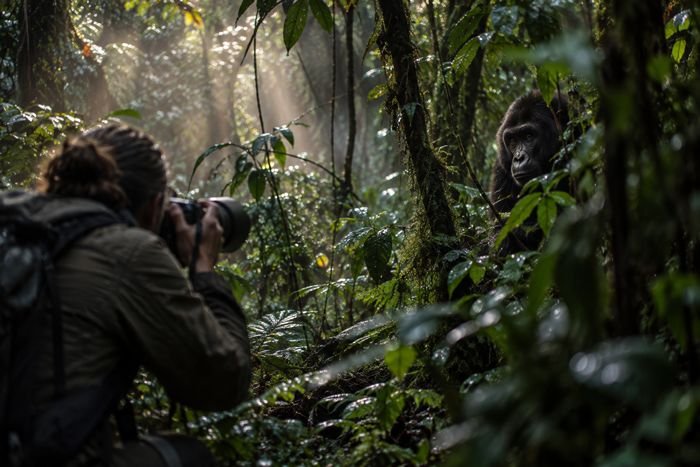
For photographers, the soft morning light produces beautifully balanced images with minimal harsh shadows.
Sunset game drives
Late afternoon offers an equally rewarding experience.
As temperatures begin falling, wildlife gradually becomes more active once again.
Elephants emerge from woodland, antelope move into open grasslands, and predators begin preparing for another night.
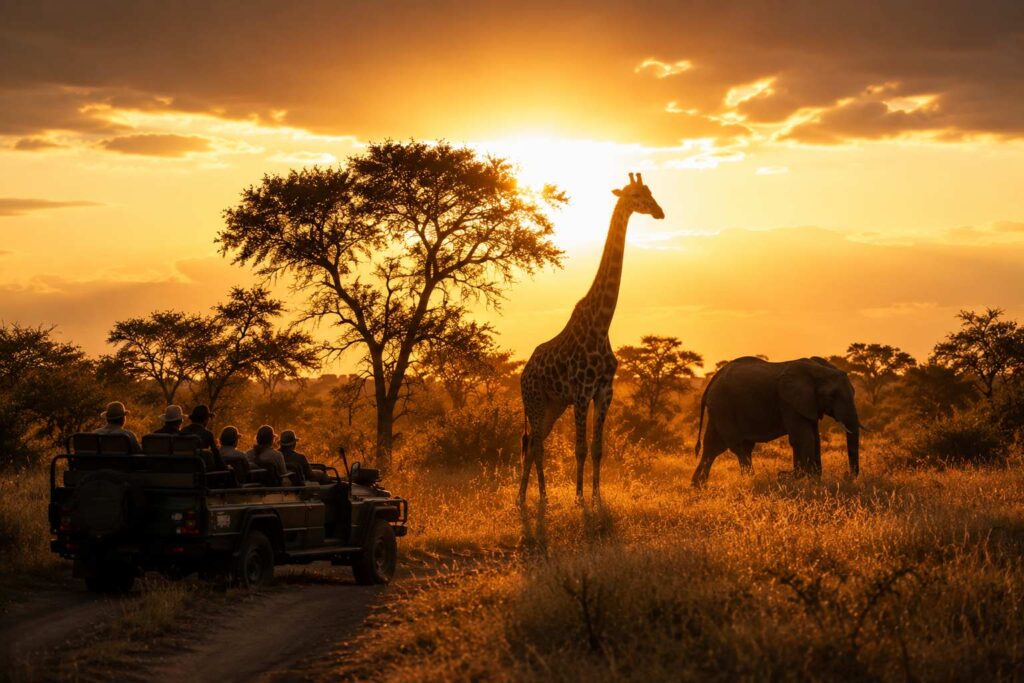
The final hour before sunset often produces some of the day’s most dramatic scenery.
Dust illuminated by low sunlight creates glowing backgrounds, while silhouettes of giraffes and acacia trees become iconic African safari images.
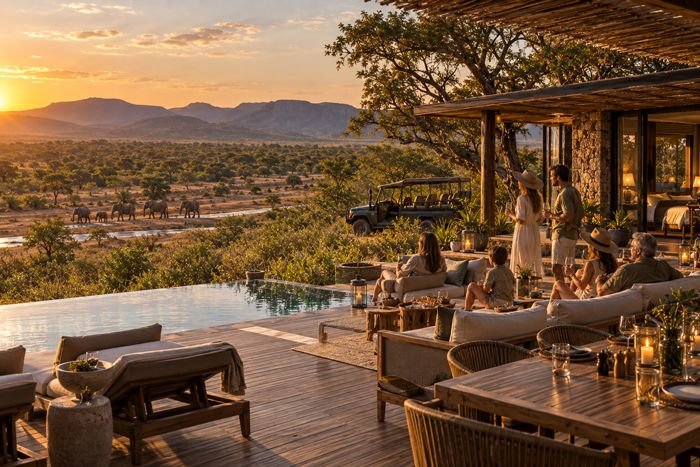
Many guided safaris also include a traditional sundowner stop, allowing guests to enjoy refreshments while watching the sun disappear below the horizon.
Midday has its own advantages
Although early morning and late afternoon are generally the most productive wildlife periods, midday shouldn’t be overlooked.
Animals often gather:
- Around rivers.
- At waterholes.
- Beneath large shade trees.
Elephants, buffalo, hippos, crocodiles, and many birds remain active throughout the day.
Midday also provides opportunities to appreciate Kruger’s landscapes, relax at rest camps, or enjoy slower-paced wildlife observation.
The key is adjusting expectations rather than avoiding the park during these hours.
Tips for photographers
Golden hour offers ideal conditions, but a few simple techniques can improve your results even further.
Try to:
- Keep the sun behind or slightly to one side of you.
- Focus on catchlights in animals’ eyes.
- Use lower ISO settings when possible.
- Watch for backlighting opportunities.
- Include surrounding landscapes rather than only close-up wildlife portraits.
Patience is often the greatest photographic skill.
Waiting a few extra minutes for an animal to turn toward the light can transform an ordinary image into an extraordinary one.
Don’t ignore the scenery
Many visitors become so focused on finding animals that they overlook Kruger’s spectacular landscapes.
Golden hour highlights:
- River crossings.
- Granite outcrops.
- Baobab trees in the north.
- Open grasslands.
- Acacia silhouettes.
- Storm clouds during the green season.
Some of the most memorable safari photographs contain no large mammals at all.
The changing light itself becomes the subject.
Weather creates opportunities
Kruger’s weather constantly influences the quality of light.
After summer thunderstorms, skies often clear dramatically, producing brilliant sunsets filled with rich oranges, reds, and purples.
Winter mornings sometimes begin with light mist along rivers, creating atmospheric conditions rarely seen during hotter months.
Rather than hoping for cloudless skies every day, photographers often welcome changing weather because it adds depth and character to images.
Planning your safari around the light
To maximize wildlife viewing and photography, structure your day around the sun.
A typical schedule might include:
- Early morning game drive.
- Breakfast after sunrise.
- Relaxation during midday.
- Afternoon game drive.
- Sunset viewing.
- Return before gate closing (or continue on a guided evening drive where permitted).
This rhythm matches both wildlife activity and the best lighting conditions.
Self-drive tips for sunrise and sunset
If you’re exploring Kruger independently, timing is especially important.
Plan to:
- Arrive at the entrance gate before opening.
- Leave camp as early as possible.
- Choose shorter driving routes.
- Allow enough time to return before gates close.
- Avoid rushing during the final hour of daylight.
Driving slowly increases your chances of spotting wildlife while allowing you to enjoy changing light conditions safely.
Remember that official gate opening and closing times vary throughout the year.
What to pack
To make the most of sunrise and sunset safaris, bring:
- Binoculars.
- Camera with extra batteries.
- Lens cloth for dust.
- Sunglasses.
- Hat.
- Light jacket for cool mornings.
- Drinking water.
Morning temperatures can be surprisingly chilly during the winter months, even when afternoons become warm.
Is golden hour worth planning around?
Absolutely.
Even visitors with no interest in photography often discover that their favorite safari memories happen during these quieter hours.
Watching elephants emerge through golden mist, hearing lions roar before dawn, or seeing giraffes silhouetted against an orange sky creates an atmosphere that’s impossible to experience during the middle of the day.
The light doesn’t simply improve photographs—it transforms the entire safari.
Conclusion
Sunrise and sunset are much more than beautiful moments in Kruger National Park. They are the times when wildlife is most active, landscapes are at their most dramatic, and the African bush reveals its true character.
Whether you’re photographing a leopard bathed in soft morning light, enjoying a peaceful sundowner overlooking the savannah, or simply watching the day begin with a chorus of birds, planning your safari around golden hour will enrich every part of your experience.
For more Kruger travel guides, wildlife photography tips, and safari planning advice, continue exploring the WhySafari blog.
FAQs
Early morning and late afternoon generally provide the best wildlife activity because temperatures are cooler and many animals are feeding or hunting.
Both are excellent. Sunrise often offers more predator activity, while sunset provides dramatic scenery and beautiful photographic light.
Golden hour is the period shortly after sunrise and before sunset when warm, soft sunlight creates ideal conditions for wildlife viewing and photography.
Public visitors must return before official gate closing times unless participating in authorized guided activities offered by certain camps or private reserves.
Not necessarily. Many animals remain active around water sources, although overall wildlife activity is usually lower than during cooler parts of the day.
Every season offers excellent light. Winter generally provides clearer skies, while the green season often produces dramatic storm clouds and vibrant landscapes.
No. Even smartphones and basic cameras can capture beautiful sunrise and sunset scenes thanks to Kruger’s naturally spectacular lighting.