South Luangwa National Park is often described as one of Africa’s best-kept safari secrets. While destinations like the Serengeti, Kruger, and Maasai Mara attract larger crowds, South Luangwa offers something many experienced safari travelers value even more: authentic wilderness, exceptional wildlife, and remarkably intimate safari experiences.
Located in eastern Zambia, the park is famous for pioneering the modern walking safari, but that’s only part of its appeal. South Luangwa is home to abundant predators, large elephant and buffalo populations, spectacular birdlife, and a network of remote safari camps that immerse visitors in the rhythms of the African bush.
If you’re considering a safari in Zambia, here’s what you can realistically expect from a visit to South Luangwa National Park.
A true wilderness experience
One of the first things visitors notice is how wild South Luangwa feels.
Unlike some of Africa’s busiest safari destinations, visitor numbers remain relatively low. Many game drives unfold without encountering another vehicle for long periods, creating an experience that feels personal and unhurried.
The park covers approximately 9,000 square kilometers (3,475 square miles), with the Luangwa River serving as its lifeblood. During the dry season, the river attracts enormous concentrations of wildlife, making it one of Africa’s richest ecosystems.
Rather than focusing on luxury alone, many camps emphasize immersion in nature, allowing guests to experience the sounds, smells, and rhythms of the bush from dawn until well after sunset.
Exceptional wildlife viewing
South Luangwa consistently ranks among Africa’s finest wildlife destinations.
The park supports healthy populations of:
- Lions
- Leopards
- African wild dogs
- Elephants
- Buffalo
- Hippos
- Crocodiles
- Thornicroft’s giraffe
- Cookson’s wildebeest
- Crawshay’s zebra
- More than 400 bird species
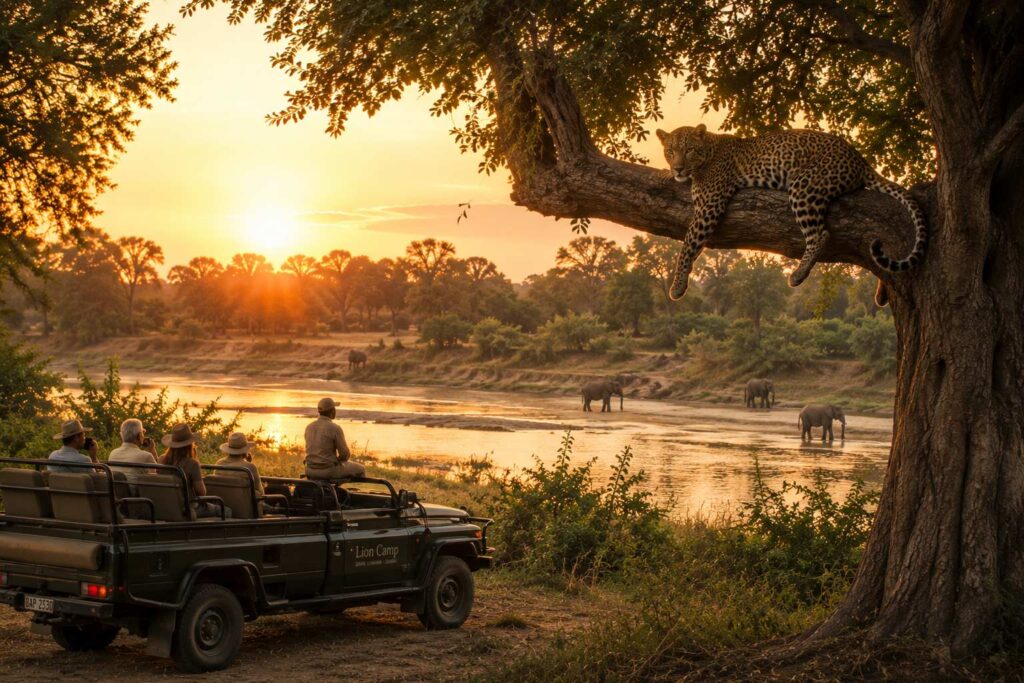
Leopard sightings are particularly impressive. Thanks to healthy prey populations and experienced guides, South Luangwa is widely regarded as one of Africa’s best places to see these elusive big cats.
The park’s variety of habitats—from riverbanks and oxbow lagoons to mopane woodland and open grasslands—supports extraordinary biodiversity throughout the year.
Walking safaris are part of the culture
Although traditional game drives remain popular, South Luangwa is internationally recognized as the birthplace of the modern walking safari.
Many lodges offer guided bush walks ranging from a few hours to several days. These experiences allow visitors to explore the ecosystem at ground level while learning about animal tracks, plants, insects, birds, and the interconnected relationships that sustain the wilderness.
Walking safaris are led by highly trained guides who prioritize safety while providing fascinating insight into the smaller details often missed from a vehicle.
Even if you don’t join a multi-day walking safari, including at least one guided bush walk can completely change the way you experience the African bush.
Night drives reveal another world
Unlike many national parks, South Luangwa allows professionally guided night drives.
Once darkness falls, the bush transforms.
Spotlights reveal animals that remain hidden during the day, including:
- Leopards hunting
- Genets
- Civets
- Porcupines
- Bush babies
- Hyenas
- Owls
- Nocturnal birds
Night drives add an entirely different dimension to the safari experience and significantly increase the diversity of wildlife you’ll encounter during your stay.
For many visitors, these evening excursions become one of the trip’s biggest highlights.
The pace is slower—and that’s a good thing
A safari in South Luangwa isn’t about racing from one wildlife sighting to the next.
Guides encourage guests to slow down, observe carefully, and appreciate every aspect of the ecosystem.
You may spend half an hour watching a leopard resting in a tree or quietly observe elephants crossing the Luangwa River while listening to birds calling from nearby woodlands.
This relaxed pace creates a deeper connection with the landscape and allows memorable wildlife encounters to unfold naturally rather than feeling rushed.
The camps blend into the wilderness
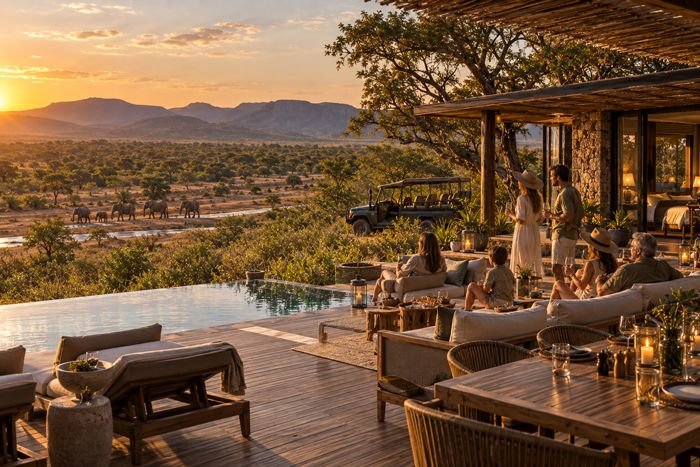
Accommodation in South Luangwa ranges from comfortable safari lodges to luxurious tented camps, but even high-end properties generally maintain a low-impact design that complements the surrounding environment.
Many camps are built along the Luangwa River, where guests regularly watch elephants, hippos, crocodiles, and antelope from viewing decks or swimming pools.
Most camps are intentionally unfenced, allowing wildlife to move freely through the area. It’s not unusual to hear hippos grazing outside your chalet or elephants browsing nearby after sunset.
Staff provide clear safety guidance, and walking around camp after dark is usually done with an escort.
Birdwatching is outstanding
South Luangwa is a paradise for bird enthusiasts.
With more than 400 recorded bird species, the park offers year-round birdwatching opportunities.
Kingfishers, bee-eaters, African fish eagles, saddle-billed storks, crowned cranes, carmine bee-eaters, hornbills, rollers, and numerous raptors are commonly seen.
The emerald season, which follows the rains, is especially rewarding for birdwatchers as migratory species arrive and breeding plumage reaches its peak.
Even visitors primarily interested in mammals often leave impressed by the park’s remarkable birdlife.
When is the best time to visit?
South Luangwa offers different experiences throughout the year.
Dry season (June to October)
This is the classic safari season.
As water sources shrink, wildlife concentrates along the Luangwa River, making animal sightings easier. Vegetation becomes less dense, temperatures are pleasant early in the season, and walking safaris operate at their best.
Emerald season (November to April)
The rainy season transforms the landscape into a lush, green paradise.
Birdwatching reaches its peak, newborn animals appear across the park, and photography benefits from dramatic skies and vibrant scenery.
Some camps close during periods of heavy rain, but those that remain open provide a quieter and very different safari experience.
Getting there
Most international visitors reach South Luangwa by flying into Lusaka before connecting to Mfuwe Airport, the park’s primary gateway.
From Mfuwe, most safari camps are within one to two hours by road, often with wildlife sightings beginning before guests even reach their accommodation.
Several safari operators also combine South Luangwa with Lower Zambezi National Park, Victoria Falls, or Botswana as part of longer southern Africa itineraries.
Who is South Luangwa best suited for?
South Luangwa appeals to travelers who want more than simply checking animals off a list.
It’s particularly well suited for:
- Repeat safari visitors
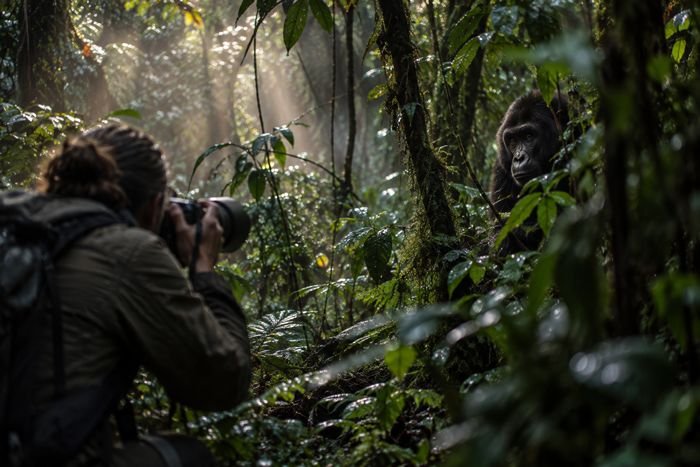
- Wildlife photographers
- Birdwatchers
- Nature enthusiasts
- Couples seeking a quieter safari
- Travelers interested in walking safaris
- Visitors looking for authentic wilderness experiences
Families with younger children may find some walking-focused camps less suitable, although several lodges offer excellent family-friendly game-drive experiences.
How many days should you stay?
Three nights is generally considered the minimum to appreciate South Luangwa.
However, four to five nights allows enough time to experience:
- Multiple game drives
- A guided walking safari
- At least one night drive
- Relaxation between activities
- Different wildlife habitats
Longer stays also increase the chances of witnessing memorable predator behavior and seasonal wildlife movements.
Why South Luangwa leaves such a lasting impression
Many travelers describe South Luangwa as one of Africa’s most rewarding safari destinations—not because it guarantees more wildlife than anywhere else, but because of how it makes visitors feel.
The combination of expert guides, intimate camps, exceptional walking safaris, and genuine wilderness creates an atmosphere that’s difficult to replicate elsewhere.
Instead of simply observing nature from a distance, guests become immersed in it, developing a deeper appreciation for the delicate balance that sustains one of Africa’s richest ecosystems.
It’s the kind of safari that often inspires visitors to return.
Conclusion
A safari in South Luangwa National Park offers far more than remarkable wildlife sightings. It provides an opportunity to experience Africa at a slower, more meaningful pace, where expert guides, intimate camps, and immersive activities reveal the bush in extraordinary detail.
Whether you’re tracking wildlife on foot, watching leopards emerge after dark, or listening to hippos outside your tent at night, South Luangwa delivers one of the continent’s most authentic safari experiences.
For more destination guides, safari planning advice, and wildlife travel inspiration, continue exploring the WhySafari blog.
FAQs
Yes. While it’s especially popular with experienced safari travelers, first-time visitors who appreciate nature and smaller crowds often find South Luangwa incredibly rewarding.
Almost. The park is home to lion, leopard, elephant, and buffalo, but rhinos are not currently found within South Luangwa National Park.
No. Most visitors combine traditional game drives with optional guided walking safaris, although some itineraries focus primarily on walking.
Its reputation as the birthplace of the walking safari, exceptional leopard sightings, expert guides, night drives, and authentic wilderness atmosphere distinguish it from many other African safari destinations.
Absolutely. The combination of diverse habitats, excellent predator sightings, beautiful river scenery, and fewer vehicles makes it an outstanding destination for wildlife photography.
Most itineraries involve domestic flights via Lusaka. Many travelers combine the two destinations as part of a broader Zambia or southern Africa safari.
Neutral-colored clothing, comfortable walking shoes, binoculars, sunscreen, insect repellent, a warm layer for early mornings, and a good camera are all recommended.