A Serengeti safari is one of those travel experiences that stays with you long after you’ve returned home. Picture golden grasslands stretching to the horizon, lions resting beneath acacia trees, and thousands of wildebeest moving across the plains. For first-time visitors, Tanzania’s most famous national park offers an extraordinary introduction to the African wilderness.
But planning your first Serengeti safari comes with plenty of questions. When should you visit? How many days do you need? What should you pack? And what can you realistically expect from your first game drive?
This Serengeti safari guide covers everything first-time travelers should know before heading into the bush, from choosing the right season to understanding safari etiquette and making the most of every wildlife encounter.
Why the Serengeti is perfect for your first African safari
Located in northern Tanzania, Serengeti National Park protects approximately 14,750 square kilometers of savanna, woodland, and riverine habitats. Its name comes from a Maasai expression often translated as “endless plains,” a fitting description of its vast landscapes.
The Serengeti is particularly appealing to first-time safari travelers because of its exceptional wildlife diversity and established tourism infrastructure.
The park is home to the Big Five: lions, leopards, elephants, buffaloes, and rhinoceroses. You’ll also encounter giraffes, zebras, cheetahs, hyenas, hippos, and an impressive variety of birds.
What makes the Serengeti especially remarkable is that wildlife sightings aren’t limited to one specific season. Resident animals remain throughout the year, while the Great Migration creates an ever-changing spectacle across different regions of the ecosystem.
For beginners, this combination of abundant wildlife, experienced safari guides, and diverse accommodation options makes the Serengeti an excellent starting point.
When is the best time for a Serengeti safari?
Choosing when to visit is one of the most important decisions you’ll make. The Serengeti offers rewarding wildlife viewing throughout the year, but seasonal changes influence animal movements, landscapes, and travel conditions.
June to October: dry season and excellent wildlife viewing
The dry season is generally considered one of the best periods for a first Serengeti safari.
As vegetation becomes thinner and water sources decrease, animals are often easier to spot. Wildlife congregates around rivers and remaining waterholes, creating excellent opportunities for game viewing.
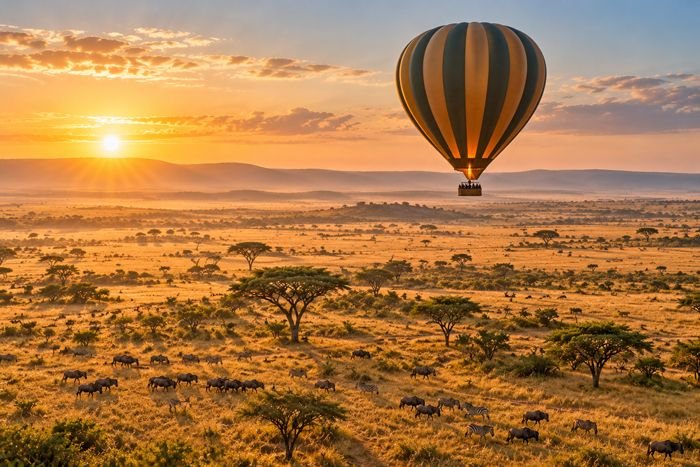
Between approximately July and October, migrating wildebeest and zebras may gather around the Mara River in the northern Serengeti. River crossings are dramatic but unpredictable, so sightings are never guaranteed.
This is also peak safari season, meaning popular areas can become busy and accommodation prices are generally higher.
November to May: green landscapes and fewer crowds
The wetter months transform the Serengeti into a lush, green landscape.
From approximately January to March, the southern Serengeti ecosystem, particularly the Ndutu area, becomes an important calving ground for migratory wildebeest. Hundreds of thousands of calves are born during the broader calving period, attracting predators such as lions, cheetahs, and hyenas.
April and May typically bring heavier rainfall, potentially making some tracks muddy and travel more challenging.
However, the green season also offers beautiful scenery, excellent birdwatching, and potentially lower accommodation rates.
For first-time visitors, the best season ultimately depends on whether you prioritize easier wildlife spotting, migration activity, fewer crowds, or budget.
How many days do you need in the Serengeti?
One of the most common mistakes first-time safari travelers make is underestimating the park’s size.
Although a short visit can provide memorable wildlife encounters, spending at least three or four days in the Serengeti is generally recommended.
This gives you time to explore different habitats, enjoy multiple game drives, and experience wildlife without constantly rushing between locations.
If your schedule allows, four to five days provides a more relaxed experience, especially if you’re interested in photography or tracking migration herds.
Remember that driving distances can be significant. Traveling between central and northern Serengeti, for example, can take several hours depending on road conditions and wildlife stops.
A well-planned itinerary should prioritize meaningful time in the wilderness rather than trying to cover every corner of the park.
What to expect on your first Serengeti game drive
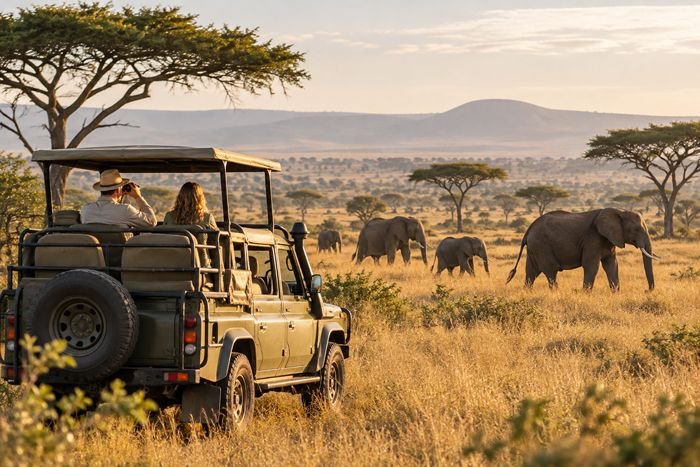
Game drives are the heart of the safari experience. Most take place in specially adapted 4×4 vehicles with elevated seating and a pop-up roof for wildlife viewing.
Early mornings and changing schedules
Safari days often begin before sunrise.
Early morning drives are particularly rewarding because temperatures are cooler and predators may still be active after nighttime hunting.
Afternoon game drives offer another opportunity to observe wildlife as temperatures begin to drop.
Your guide will adjust the schedule according to weather conditions, animal movements, and the location of your accommodation.
Wildlife sightings require patience
Unlike a zoo, the Serengeti is a completely wild environment. Animals move freely, and sightings cannot be scheduled.
You might encounter a pride of lions within minutes of leaving camp or spend an hour searching before discovering a leopard resting in a tree.
The unpredictability is part of the experience.
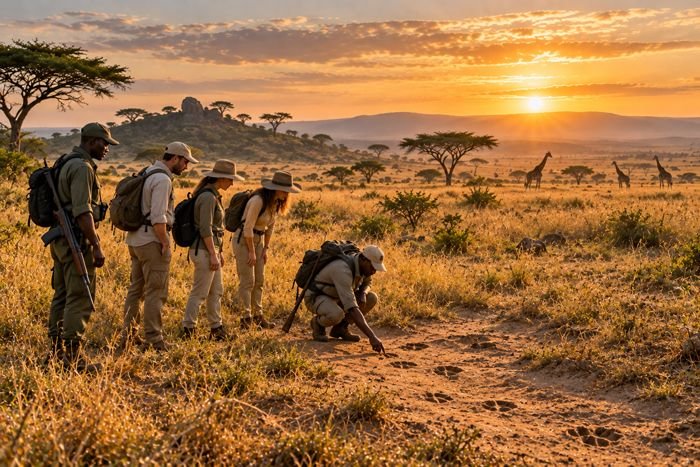
A knowledgeable guide will interpret tracks, animal behavior, and alarm calls, helping you notice details you might otherwise overlook.
Rather than focusing exclusively on the Big Five, appreciate smaller encounters too. Watching dung beetles, colorful birds, or a family of warthogs can be surprisingly fascinating.
Essential Serengeti safari packing tips
Packing for a safari is different from preparing for a typical beach vacation.
Comfort, practicality, and protection from changing weather conditions should guide your choices.
Clothing and footwear
Choose lightweight, breathable clothing in neutral colors such as khaki, beige, olive, or brown.
Bright colors aren’t ideal for blending into the environment, while dark clothing can attract more heat and certain biting insects.
Pack layers because early morning drives can feel surprisingly cold, particularly in open vehicles.
Comfortable closed-toe shoes are sufficient for most standard game-drive safaris. Heavy hiking boots are generally unnecessary unless your itinerary includes substantial walking.
Useful safari essentials
A few carefully selected accessories can significantly improve your experience:
- Binoculars for observing distant wildlife.
- A camera with a zoom lens and spare batteries.
- Sunscreen, sunglasses, and a wide-brimmed hat.
- Insect repellent.
- A reusable water bottle.
- A lightweight jacket or fleece.
- A small daypack for essentials.
Soft-sided luggage is often preferable, particularly if your itinerary includes light-aircraft transfers with strict baggage limits.
Always confirm your airline’s specific luggage restrictions before departure.
Choosing the right Serengeti safari accommodation
Accommodation in the Serengeti ranges from relatively simple tented camps to exclusive luxury lodges.
Your choice will influence not only comfort but also how much time you spend traveling between wildlife-viewing areas.
Tented camps
Safari tented camps offer an immersive wilderness experience without necessarily sacrificing comfort.
Many feature proper beds, private bathrooms, and dining facilities. Some are mobile or seasonal, relocating to areas that provide better access to migration activity.
Hearing lions roar or hyenas call from the safety of your tent can become one of the most memorable parts of your trip.
Safari lodges
Permanent lodges typically provide more substantial facilities, sometimes including swimming pools, restaurants, and panoramic viewing decks.
They can be particularly appealing to travelers who prefer additional comfort after long game drives.
For first-time visitors, location is often more important than luxury level. Staying near the wildlife areas you want to explore can reduce driving time and improve your overall experience.
Serengeti safari costs: what first-timers should budget for
A Serengeti safari is a significant travel investment, and prices vary considerably depending on the season, accommodation category, group size, and transportation.
Budget-friendly group safaris usually involve shared vehicles and simpler accommodations, while private safaris offer greater flexibility and personalized guiding.
Luxury itineraries may include premium lodges, exclusive vehicles, and domestic flights.
When comparing safari packages, look beyond the advertised price.
Check whether park entrance fees, conservation charges, meals, drinking water, transfers, and game drives are included.
Some itineraries also charge separately for optional experiences, tips, alcoholic beverages, and certain activities.
Choosing a reputable operator with experienced guides and transparent pricing is more important than simply selecting the cheapest package.
Safari safety and etiquette for beginners
The Serengeti is a wild environment, but organized safaris are designed around established safety procedures.
Your guide’s instructions should always take priority.
Never leave the vehicle during a game drive unless your guide explicitly confirms that it is safe and permitted.
Avoid shouting, sudden movements, or attempting to attract animals’ attention.
Wildlife should never be fed, approached unnecessarily, or disturbed for photographs.
At camp, follow staff instructions about moving around after dark. Some unfenced properties require an escort between your accommodation and communal areas.
Responsible safari behavior protects both visitors and wildlife while preserving the experience for future travelers.
Practical travel preparations before visiting Tanzania
Most international travelers begin their northern Tanzania safari through Kilimanjaro International Airport or Arusha, with onward transfers by road or domestic aircraft.
Entry requirements depend on nationality, so verify your passport validity and visa arrangements before traveling.
Consult a qualified travel-health professional well in advance about recommended vaccinations, malaria prevention, and any applicable yellow fever certificate requirements.
Travel insurance that includes emergency medical evacuation is strongly recommended, particularly because safari destinations can be remote.
It’s also worth preparing for limited connectivity. Some camps offer Wi-Fi, but mobile coverage and internet speeds can be unreliable.
Downloading essential travel documents and offline information before departure is a sensible precaution.
Common mistakes to avoid on your first Serengeti safari
First-time travelers sometimes arrive with expectations shaped by wildlife documentaries.
In reality, a successful safari is less about witnessing constant dramatic action and more about experiencing the natural environment.
Avoid planning an overly ambitious itinerary with too many destinations and insufficient time for game drives.
Don’t assume the Great Migration will be in a specific location on an exact date. Rainfall patterns influence herd movements, and nature doesn’t follow a fixed calendar.
Similarly, resist the temptation to spend every moment looking through your camera.
Some of the most rewarding memories come from simply watching elephants interact, listening to birds at sunrise, or appreciating the silence of the plains.
Final thoughts: your first Serengeti safari adventure
Your first Serengeti safari is an opportunity to experience one of Africa’s most extraordinary wildlife ecosystems.
With thoughtful planning, realistic expectations, and an experienced guide, even a few days in the park can deliver unforgettable encounters.
Choose your travel dates carefully, allow enough time to explore, and remain open to whatever the wilderness reveals.
Whether you’re dreaming of witnessing the Great Migration, photographing big cats, or simply experiencing your first African sunrise, the Serengeti offers an adventure unlike any other.
For more inspiration and practical advice, explore the WhySafari blog and discover how to plan your next African safari with confidence.
Frequently asked questions about a first Serengeti safari
Yes. Many safari lodges welcome families, although minimum age requirements vary. Private vehicles can be particularly useful when traveling with younger children because they allow more flexible schedules and breaks.
Standard vehicle-based safaris require relatively little physical activity. However, travelers should be comfortable sitting for extended periods and traveling on bumpy roads. Some specialized walking activities have additional fitness requirements.
Many established lodges accept major credit cards, but smaller camps and local services may prefer cash. Carry some US dollars in good condition and confirm payment arrangements with your safari operator beforehand.
Facilities are generally available at lodges, camps, and designated rest stops. Your guide can help plan bathroom breaks, although facilities may be limited during longer drives in remote areas.
Absolutely. Many first-time visitors combine the Serengeti with Ngorongoro Crater, Tarangire National Park, or Lake Manyara. Zanzibar is another popular addition for travelers seeking beach relaxation after their safari.
Group safaris are generally more affordable and offer opportunities to meet other travelers. Private safaris provide greater flexibility for photography, wildlife interests, and daily schedules. The best option depends on your budget and travel preferences.
Most established camps and lodges provide charging facilities, although electricity may be available only during certain hours. Bringing a power bank and a universal travel adapter is recommended.
Tipping is customary but generally discretionary. Guides and camp staff often receive gratuities for good service. Ask your safari operator for current suggested amounts and whether the property uses a shared staff tipping system.