Planning an African safari is exciting, but it’s natural to wonder what happens if something goes wrong. Whether it’s a medical emergency, a vehicle breakdown, a wildfire, severe weather, or an unexpected wildlife encounter, Africa’s leading national parks have well-developed emergency procedures designed to protect visitors while preserving fragile ecosystems.
Although every destination operates differently, most safari parks rely on trained rangers, experienced guides, communication networks, air evacuation services, and close partnerships with medical providers and conservation authorities. Visitors rarely see these systems in action because emergencies are uncommon, but understanding how they work can provide valuable peace of mind before your trip.
This guide explores how some of Africa’s best-known safari destinations prepare for and respond to emergencies, highlighting what travelers can expect across different countries.
Emergency preparedness starts before your safari
Long before guests arrive, safari operators work closely with park authorities to prepare for potential emergencies. Lodges conduct staff training, guides complete first-aid certification, vehicles undergo routine maintenance, and emergency communication systems are regularly tested.
Most reputable safari camps maintain written emergency response plans covering medical incidents, wildlife encounters, fires, floods, severe storms, and evacuation procedures. Guides are trained not only in wildlife behavior but also in crisis management and guest safety.
While every park has unique challenges, prevention is always the first priority.
South Africa: Advanced infrastructure in major parks
South Africa offers one of the continent’s most developed tourism infrastructures, particularly in parks such as Kruger National Park and several private reserves bordering it.
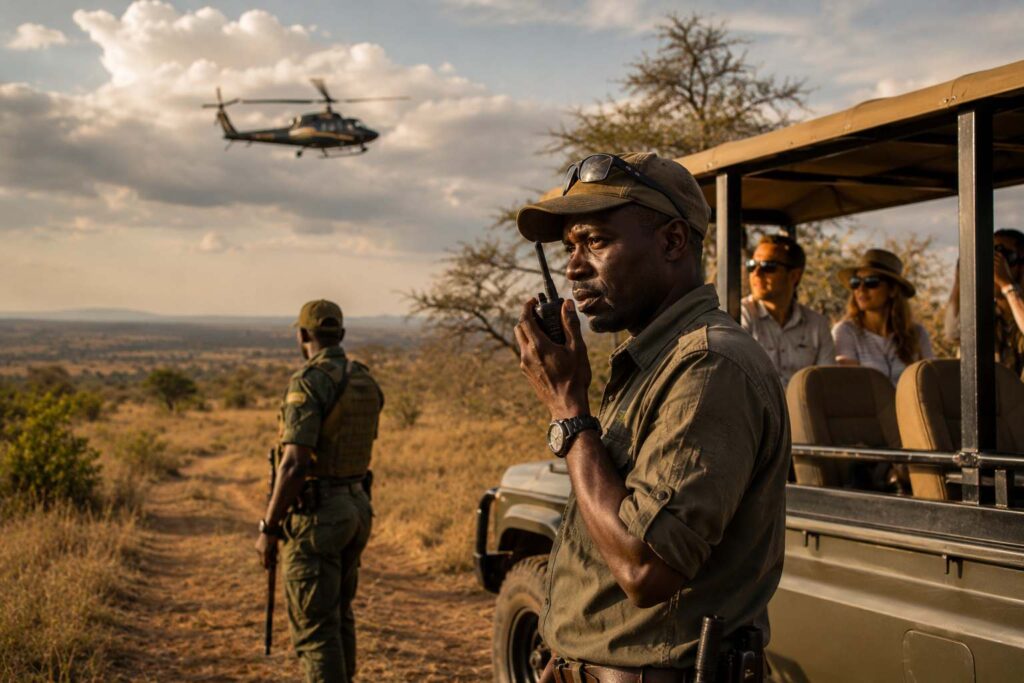
Emergency response benefits from extensive road networks, ranger patrols, nearby hospitals, and established helicopter evacuation providers. Many lodges maintain direct radio communication with park management and emergency services.
Medical incidents can often be stabilized on-site while evacuation is arranged if necessary. Wildlife incidents are extremely rare because guides follow strict operating procedures, and visitors are expected to remain inside vehicles except in designated areas.
During periods of wildfire risk or severe weather, park authorities may temporarily close roads or restrict access until conditions improve.
Botswana: Remote wilderness with highly coordinated support
Botswana’s famous wilderness areas, including the Okavango Delta and Chobe National Park, are among Africa’s most remote safari destinations.
Because many camps are accessible only by light aircraft or boat, emergency planning focuses heavily on communication and rapid evacuation logistics. Satellite phones, aviation networks, and charter aircraft play an essential role in medical emergencies.
Guides receive extensive safety training due to frequent encounters with elephants, buffalo, hippos, and predators. Camps also maintain detailed evacuation plans for flooding, seasonal weather changes, and medical incidents.
Although distances can be significant, experienced safari operators prepare carefully for these logistical challenges.
Kenya: Strong coordination between parks and private conservancies
Kenya combines national parks with extensive private conservancies that often maintain their own emergency response systems.
Popular destinations such as the Maasai Mara benefit from experienced ranger teams, medical evacuation partnerships, and reliable aviation access. Many safari operators subscribe to emergency flying doctor services capable of transporting patients to major hospitals in Nairobi when required.
Road conditions vary across the country, so guides continually assess weather, river crossings, and seasonal changes before setting out on game drives.
Close collaboration between conservancies, tour operators, and local communities strengthens both visitor safety and wildlife protection.
Tanzania: Managing emergencies across vast landscapes
Tanzania is home to enormous protected ecosystems, including Serengeti National Park, Ngorongoro Conservation Area, Ruaha National Park, and Nyerere National Park.
Given the scale of these landscapes, communication systems are particularly important. Safari guides carry radios or satellite communication devices to maintain contact with park headquarters and nearby camps.
Air evacuation is a critical component of emergency planning in remote regions. Several airstrips located throughout national parks allow medical evacuation flights when necessary.
Seasonal weather also influences emergency management. During heavy rains, some roads become inaccessible, prompting operators to adjust routes or temporarily suspend activities.
Namibia: Safety across desert environments
Namibia presents different emergency challenges than East Africa. Parks such as Etosha National Park experience hot, dry conditions where dehydration and vehicle reliability receive special attention.
Guides monitor weather conditions carefully and encourage guests to remain hydrated throughout game drives. Park authorities maintain well-marked roads and emergency contact systems, reducing the likelihood of visitors becoming stranded.
Because wildlife often gathers around waterholes, guides carefully manage vehicle positioning to maintain safe viewing distances while avoiding unnecessary disturbance.
Zambia and Zimbabwe: Home of the walking safari
Zambia is widely regarded as the birthplace of the walking safari, while Zimbabwe also offers exceptional guided walking experiences.
Emergency planning here places particular emphasis on guide training. Walking safari guides complete rigorous qualifications in wildlife behavior, firearm safety where applicable, navigation, and emergency response.
Groups are intentionally kept small, allowing guides to maintain constant awareness of guests and surrounding wildlife.
In remote areas, camps maintain evacuation plans using four-wheel-drive vehicles, boats, or aircraft depending on location and accessibility.
Uganda and Rwanda: Gorilla trekking safety
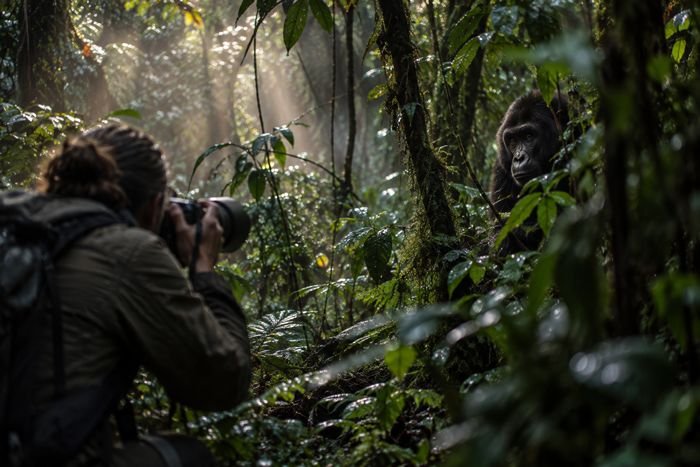
Mountain gorilla trekking introduces a unique set of emergency considerations.
Treks take place in mountainous forests where guides, trackers, porters, and park rangers work together throughout each excursion. Before entering the forest, visitors receive detailed safety briefings covering hiking conditions, wildlife etiquette, and emergency procedures.
Because gorillas share many diseases with humans, health protocols protect both visitors and wildlife. Guests showing symptoms of contagious illness may be unable to participate.
Medical evacuations, if needed, typically involve coordinated ground transport followed by transfer to regional medical facilities.
Managing wildlife emergencies
One of the most common concerns among first-time safari visitors is the possibility of dangerous wildlife encounters.
In reality, professional guides are highly skilled at reading animal behavior. They recognize warning signs, maintain safe distances, and alter routes when conditions change.
If an unexpected encounter occurs, guides follow established protocols based on the species involved. Guests are instructed to remain calm, avoid sudden movements, and follow directions immediately.
Strict visitor rules—such as staying inside safari vehicles except where permitted—greatly reduce the likelihood of incidents.
Medical emergencies in remote parks
Many safari camps employ staff trained in first aid and maintain emergency medical equipment.
For more serious situations, operators coordinate with regional hospitals and specialized air ambulance providers. Depending on the country and location, helicopter or fixed-wing aircraft may transport patients to larger medical centers.
This is one reason comprehensive travel insurance with emergency medical evacuation coverage is strongly recommended for every safari traveler.
Providing operators with information about allergies, medications, or chronic medical conditions before arrival also helps improve emergency preparedness.
Natural disasters and environmental emergencies
Although uncommon, parks must also prepare for natural events.
Heavy rainfall can flood roads, making certain routes temporarily inaccessible. Bushfires occasionally occur during dry seasons, particularly in southern Africa. Strong storms may delay flights into remote camps.
Park authorities continuously monitor environmental conditions and adjust tourism activities accordingly. Temporary closures or itinerary changes are implemented when necessary to prioritize visitor safety.
Experienced safari operators remain flexible and communicate changes promptly.
Conservation and security work together
Emergency management in African parks extends beyond tourism.
Many protected areas invest heavily in ranger training, anti-poaching operations, intelligence gathering, community partnerships, and conservation technology. These efforts not only protect endangered wildlife but also improve overall security throughout park ecosystems.
In some regions, particularly transboundary conservation areas and remote wilderness landscapes, governments and conservation organizations collaborate across national borders to coordinate wildlife protection, monitor illegal activity, and strengthen emergency response capacity.
Healthy, well-managed parks benefit both wildlife and visitors.
What travelers can do to stay safe
Visitors play an important role in maintaining a safe safari experience.
Simple habits make a significant difference:
- Choose reputable safari operators with strong safety records.
- Purchase travel insurance that includes emergency evacuation.
- Follow your guide’s instructions at all times.
- Stay inside vehicles unless instructed otherwise.
- Attend every safety briefing carefully.
- Carry personal medications and emergency contact information.
- Inform your operator of any medical conditions before traveling.
These precautions allow guides and park staff to focus on delivering a safe and memorable wildlife experience.
Conclusion
Africa’s national parks may feel wonderfully wild, but behind every successful safari is a carefully coordinated safety system. From sophisticated medical evacuation networks in South Africa to aviation support in Botswana, expert walking safari guides in Zambia, and gorilla trekking protocols in Uganda and Rwanda, each country has developed emergency procedures tailored to its landscapes and wildlife.
While no outdoor adventure is entirely without risk, professional safari operators, trained park staff, and well-established emergency plans make African safaris remarkably safe for prepared travelers. By choosing reputable operators and following expert guidance, you can enjoy the continent’s extraordinary wilderness with confidence.
For more safari planning advice, destination guides, and practical travel tips, continue exploring the WhySafari blog.
FAQs
Your safari guide is usually the first responder. Guides are trained in first aid, communication procedures, and emergency coordination until additional assistance arrives.
Most reputable camps have arrangements with evacuation providers, although response times vary depending on location, weather, and accessibility.
No. Some regions rely on fixed-wing aircraft, while others use helicopters where terrain and infrastructure allow. Remote destinations have evacuation plans appropriate to their location.
Operators may adjust game drive schedules, reroute activities, delay flights, or temporarily close certain areas until conditions improve.
Yes. Carry a list of medications, allergies, emergency contacts, travel insurance details, and any relevant medical conditions throughout your trip.
Not when conducted by qualified guides. Walking safaris follow strict safety protocols, use highly trained guides, and are carefully planned to minimize risk.
Because many parks are located far from major hospitals, emergency evacuation can be expensive. Comprehensive insurance helps cover these unexpected costs.