When planning a trip to Namibia, most travelers focus on famous highlights such as Etosha National Park, Sossusvlei, or the Skeleton Coast. Yet tucked away in the country’s central highlands is one of Namibia’s most underrated protected areas: Waterberg Plateau National Park.
Dominated by a striking red sandstone plateau that rises dramatically above the surrounding plains, the park offers a fascinating combination of wildlife, conservation, hiking, birdwatching, and history. Unlike Namibia’s larger safari destinations, Waterberg provides a quieter, more intimate experience while playing a crucial role in protecting some of southern Africa’s most endangered species.
Whether you’re looking for a scenic stop on a self-drive itinerary or a destination in its own right, Waterberg Plateau National Park deserves far more attention than it receives.
Where is Waterberg Plateau National Park?
Waterberg Plateau National Park is located in central Namibia, approximately 300 kilometers (186 miles) north of Windhoek.
Its convenient location makes it a popular stop between the capital and Etosha National Park, although many travelers spend only one night before continuing north.
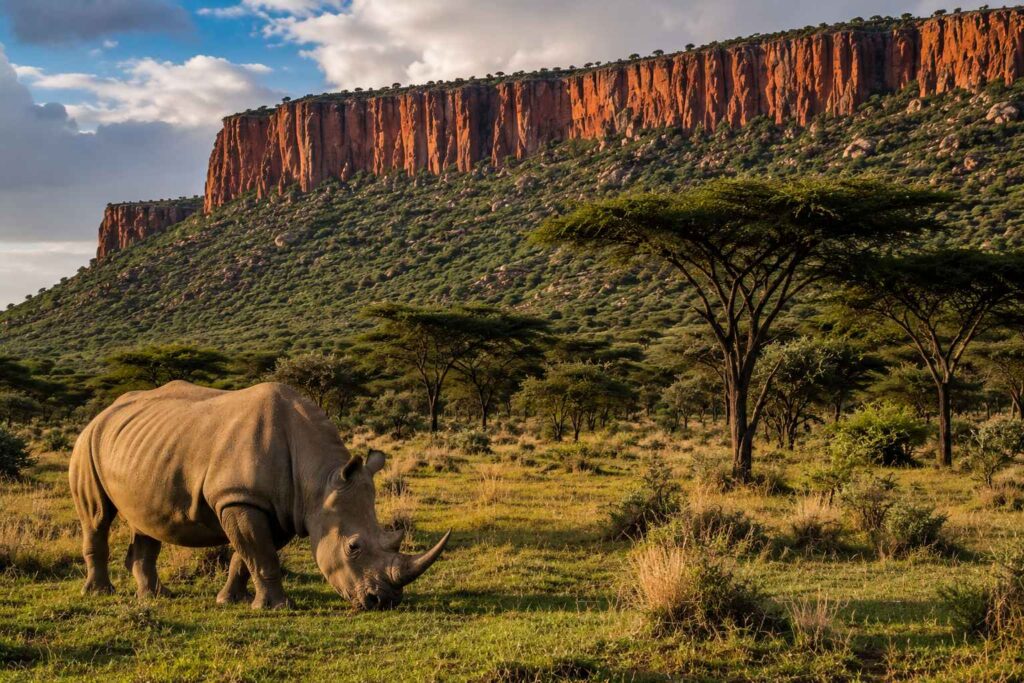
The park protects the towering Waterberg Plateau, a flat-topped sandstone formation that rises nearly 200 meters (650 feet) above the surrounding savannah.
Visible from many kilometers away, the plateau is one of Namibia’s most distinctive natural landmarks.
A landscape unlike anywhere else
Waterberg’s scenery differs dramatically from Namibia’s deserts.
Visitors will find:
- Towering red sandstone cliffs
- Forested slopes
- Open grasslands
- Acacia woodland
- Seasonal streams
- Panoramic viewpoints
The plateau creates its own microclimate, supporting richer vegetation than much of the surrounding region.
This variety of habitats allows an impressive diversity of wildlife to thrive.
A sanctuary for endangered wildlife
One of Waterberg’s most important roles is conservation.
Because the plateau is naturally protected by steep cliffs, it has become a safe refuge for several vulnerable species that have been reintroduced over the years.
Notable residents include:
- White rhinos
- Black rhinos
- Cape buffalo
- Sable antelope
- Roan antelope
Many of these populations have helped support conservation and relocation programs elsewhere in Namibia.
For this reason, Waterberg is far more than simply another national park—it’s a vital conservation stronghold.
Wildlife you can expect to see
Although wildlife densities are lower than in Etosha, visitors regularly encounter:
- Giraffes
- Zebras
- Elands
- Kudus
- Impalas
- Warthogs
- Klipspringers
- Baboons
Leopards also inhabit the plateau, although they are rarely seen.
The emphasis here is less on ticking off a long species list and more on appreciating wildlife within a spectacular natural setting.
Rhino tracking experiences
Waterberg is one of Namibia’s important rhino conservation areas.
Some guided activities focus on learning about rhino conservation while searching for these remarkable animals under carefully managed conditions.
These experiences typically emphasize:
- Wildlife conservation
- Animal behavior
- Responsible tourism
- Ranger expertise
Rather than guaranteeing close encounters, they provide valuable insight into the ongoing efforts to protect one of Africa’s most endangered mammals.
Hiking the Waterberg Plateau
Unlike many safari destinations where visitors remain in vehicles, Waterberg encourages exploration on foot.
Several hiking trails lead through:
- Forested slopes
- Scenic viewpoints
- Rocky outcrops
- Plateau edges
The summit rewards hikers with sweeping views across central Namibia, especially during the early morning and late afternoon when the light transforms the red cliffs.
Hiking is one of the park’s greatest attractions and sets it apart from more traditional safari destinations.
Birdwatching
Waterberg is also an excellent destination for bird enthusiasts.
More than 200 bird species have been recorded, including:
- Verreaux’s eagle
- Hartlaub’s francolin
- Violet wood hoopoe
- Hornbills
- Bee-eaters
- Barbets
- Raptors
The park’s richer vegetation supports species that are uncommon in Namibia’s drier regions.
The history of Waterberg
The plateau is not only significant for its natural beauty.
It also holds an important place in Namibia’s history as the site of the Battle of Waterberg in 1904, a pivotal event during German colonial rule.
Today, visitors can learn about both the region’s natural heritage and its complex historical significance, adding another dimension to a visit.
When is the best time to visit?
Waterberg is enjoyable throughout the year.
Dry season (May to October)
Advantages include:
- Comfortable hiking temperatures
- Easier wildlife viewing
- Pleasant daytime weather
- Clear panoramic views
This is generally considered the best season for outdoor activities.
Green season (November to April)
Summer brings:
- Greener landscapes
- Wildflowers after rain
- Excellent birdwatching
- Dramatic afternoon skies
Occasional thunderstorms create beautiful photographic conditions while transforming the vegetation.
Accommodation
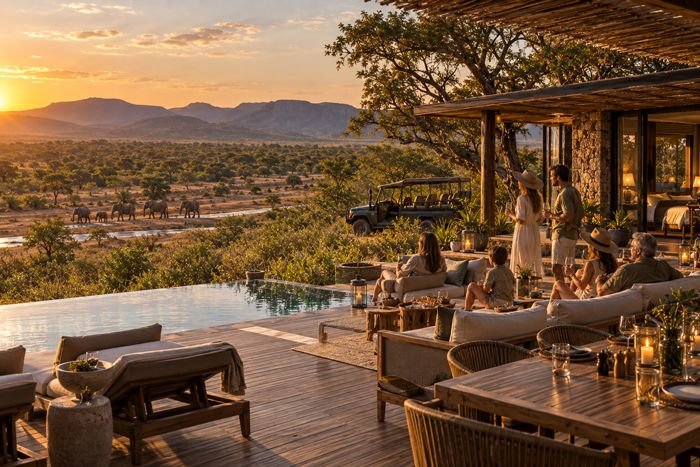
Accommodation options include:
- Park chalets
- Safari lodges
- Boutique guest lodges
- Luxury country properties nearby
Many visitors spend one or two nights, although hikers and birdwatchers often choose longer stays.
The peaceful atmosphere makes Waterberg an ideal place to unwind after a busy safari.
Who should visit Waterberg?
Waterberg is perfect for travelers who:
- Enjoy hiking.
- Appreciate conservation.
- Love birdwatching.
- Prefer quieter destinations.
- Are exploring Namibia by car.
- Want a break between long driving days.
It also appeals to repeat visitors looking beyond Namibia’s best-known attractions.
Combining Waterberg with other destinations
Waterberg fits naturally into many Namibia itineraries.
Popular combinations include:
- Windhoek
- Etosha National Park
- Damaraland
- Namib-Naukluft National Park
- Okonjima Nature Reserve
Because of its location, it serves as an excellent transition between Namibia’s central highlands and northern safari regions.
Practical travel tips
To make the most of your visit:
- Wear comfortable hiking shoes.
- Carry plenty of drinking water.
- Bring binoculars.
- Pack layers for cool mornings.
- Start hikes early to avoid midday heat.
- Spend at least one full day exploring.
The park’s slower pace rewards visitors who allow time to enjoy both the scenery and wildlife.
Why Waterberg deserves more attention
Waterberg Plateau National Park offers something increasingly rare: a destination where conservation, scenery, history, and outdoor adventure come together without large crowds.
While it may not rival Etosha for sheer wildlife numbers, it provides a richer understanding of Namibia’s diverse landscapes and the country’s commitment to protecting endangered species.
For travelers willing to venture beyond the obvious highlights, Waterberg is one of Namibia’s most rewarding hidden gems.
Conclusion
Waterberg Plateau National Park is proof that Namibia has far more to offer than deserts and classic safari destinations. Its dramatic red cliffs, thriving conservation programs, rewarding hiking trails, and peaceful atmosphere make it one of the country’s most distinctive protected areas.
Whether you’re tracking rhinos, climbing to panoramic viewpoints, or simply enjoying a quieter side of Namibia, Waterberg delivers an experience that combines wildlife, history, and spectacular scenery in equal measure. It’s a destination that deserves a place on far more Namibia itineraries than it currently receives.
For more Namibia travel guides, self-drive itineraries, and safari inspiration, continue exploring the WhySafari blog.
FAQs
The park is located in central Namibia, about 300 kilometers (186 miles) north of Windhoek, making it an easy stop on the way to Etosha National Park.
Waterberg is known for its striking red sandstone plateau, rhino conservation, hiking trails, birdwatching, and role as a sanctuary for endangered wildlife.
Yes. Both black and white rhinos live in the park, although sightings depend on wildlife movements and guided activities.
Absolutely. The park offers several trails leading to scenic viewpoints atop the plateau, making it one of Namibia’s best places to combine hiking with wildlife.
One to two days is ideal, giving you enough time to enjoy the hiking trails, wildlife, and panoramic scenery.
Yes. Its excellent road access and central location make it a popular stop on Namibia self-drive itineraries.
Yes. Many travelers visit Waterberg before or after Etosha, creating a balanced itinerary that combines conservation, hiking, and classic safari experiences.